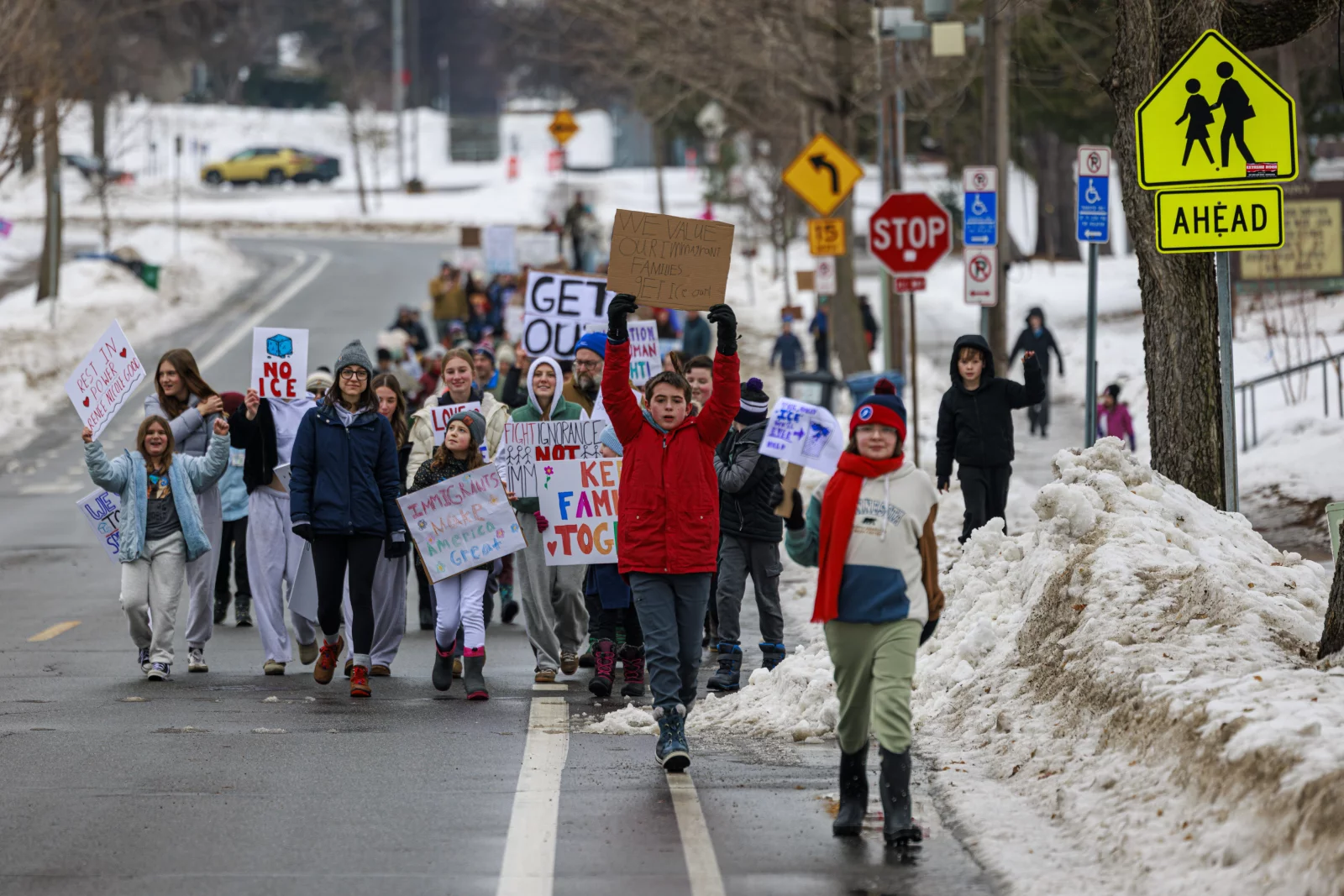
Fatal ICE shooting in Minneapolis has become the flashpoint for a growing national movement after an immigration activist was killed during a federal enforcement operation, igniting protests across major U.S. cities and intensifying scrutiny of Immigration and Customs Enforcement tactics in 2026.

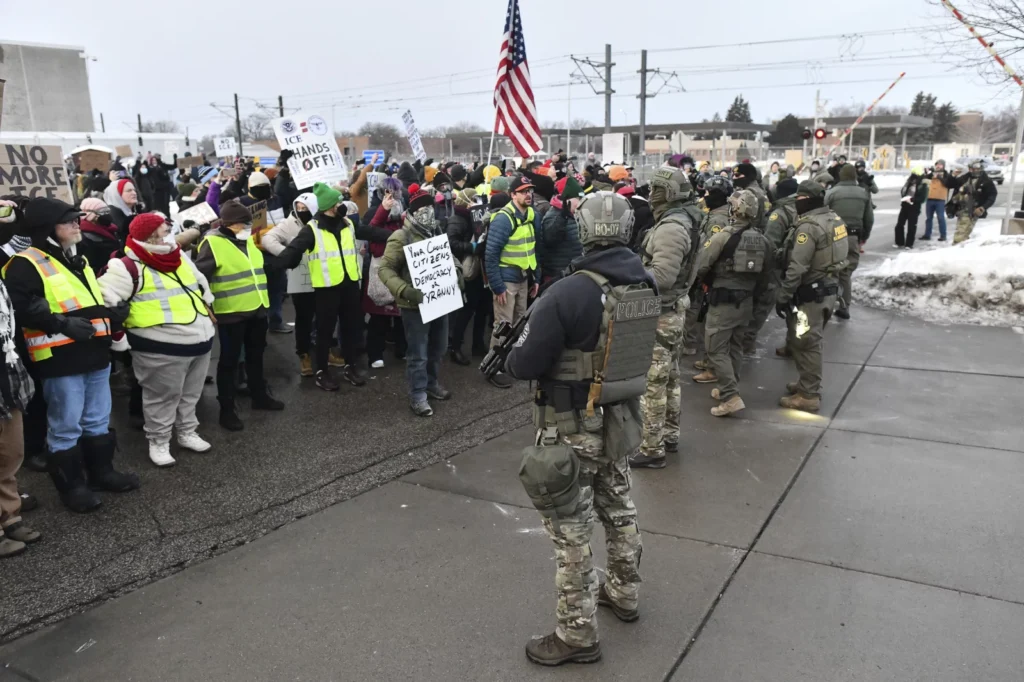
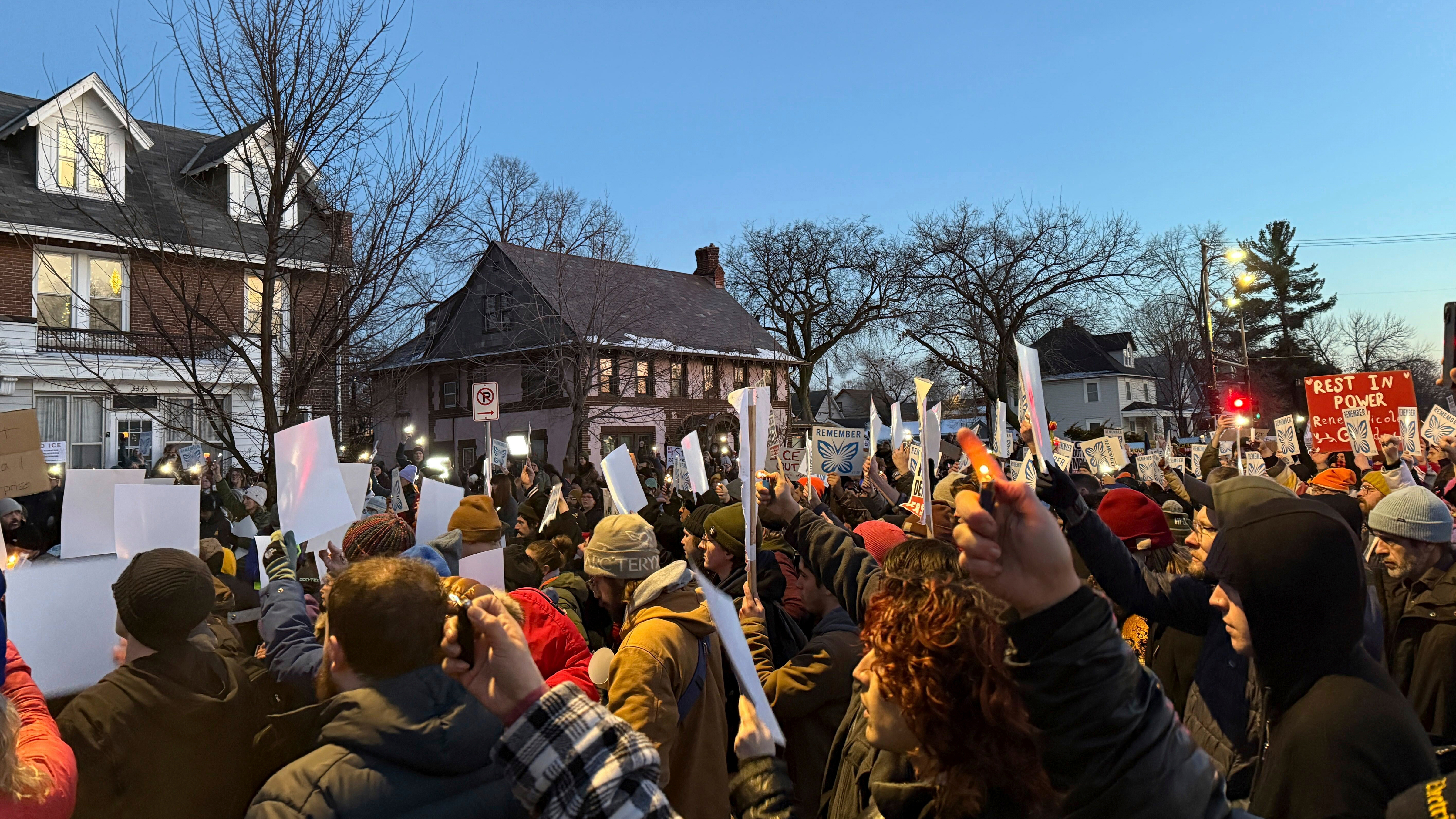
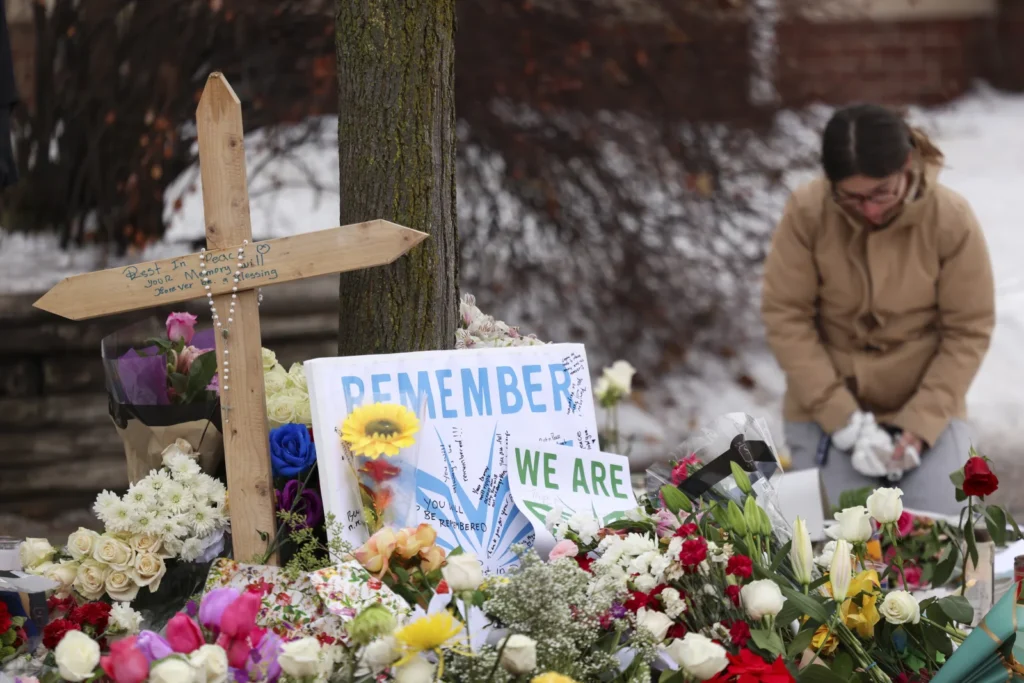

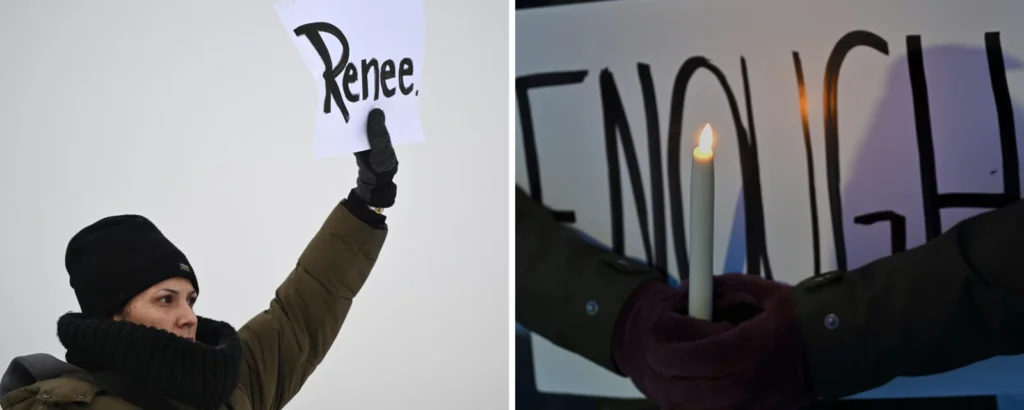
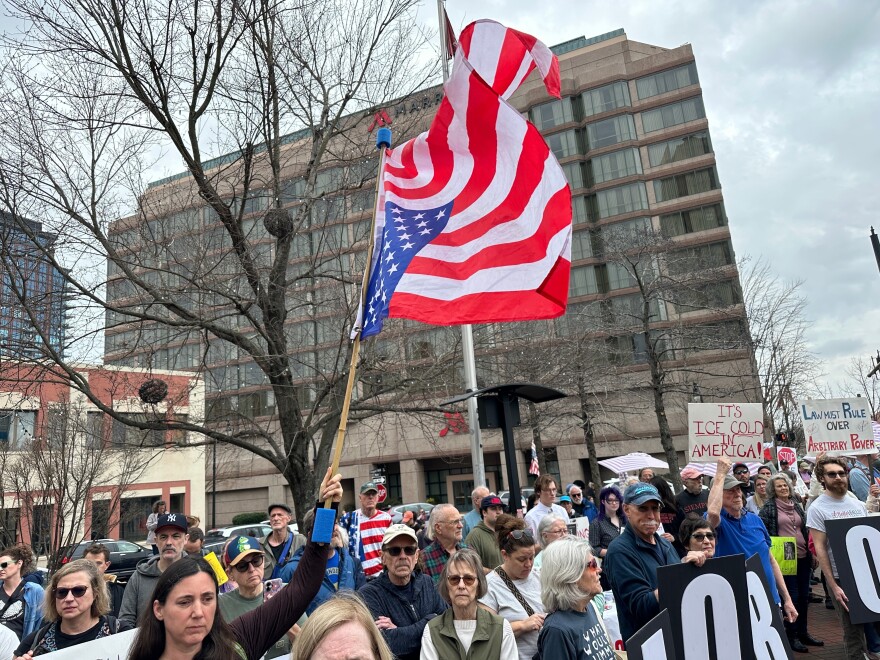
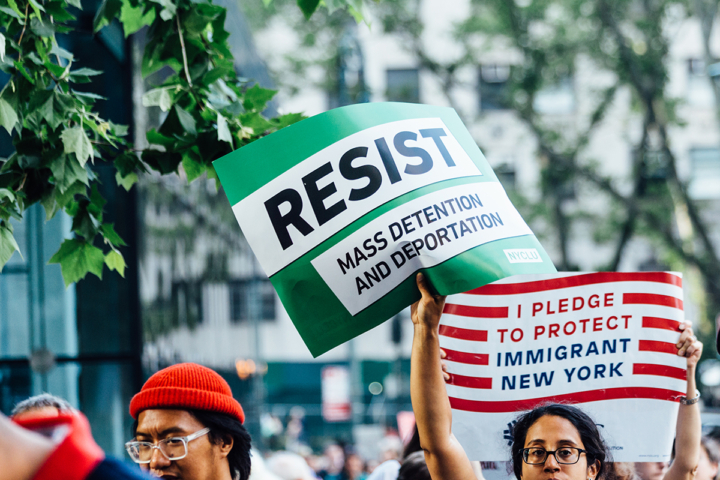
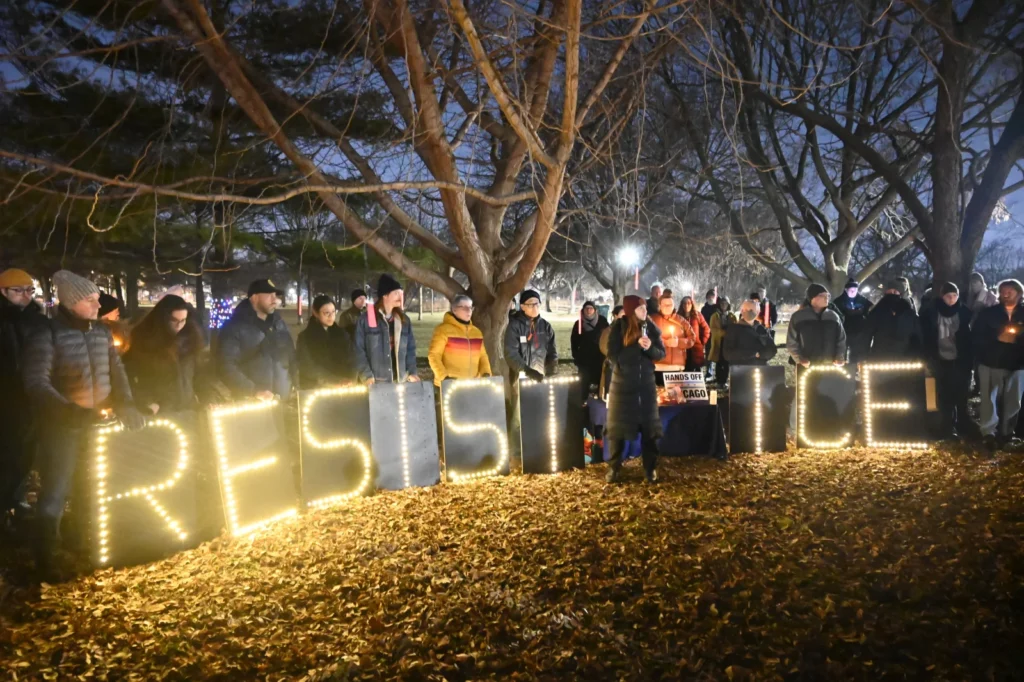
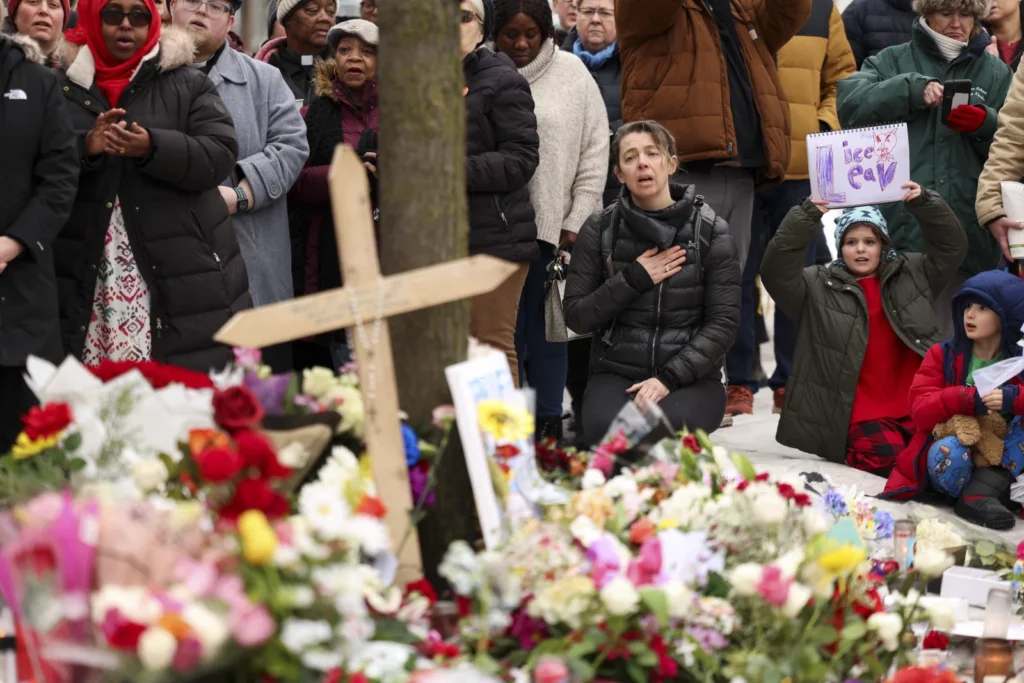
The deadly incident has rapidly escalated from a local tragedy into a nationwide political and civil rights confrontation. Within hours of the shooting, demonstrations spread from Minneapolis to Chicago, New York, Los Angeles, Seattle, and Washington, D.C., with activists demanding accountability, transparency, and systemic reform of federal immigration enforcement.
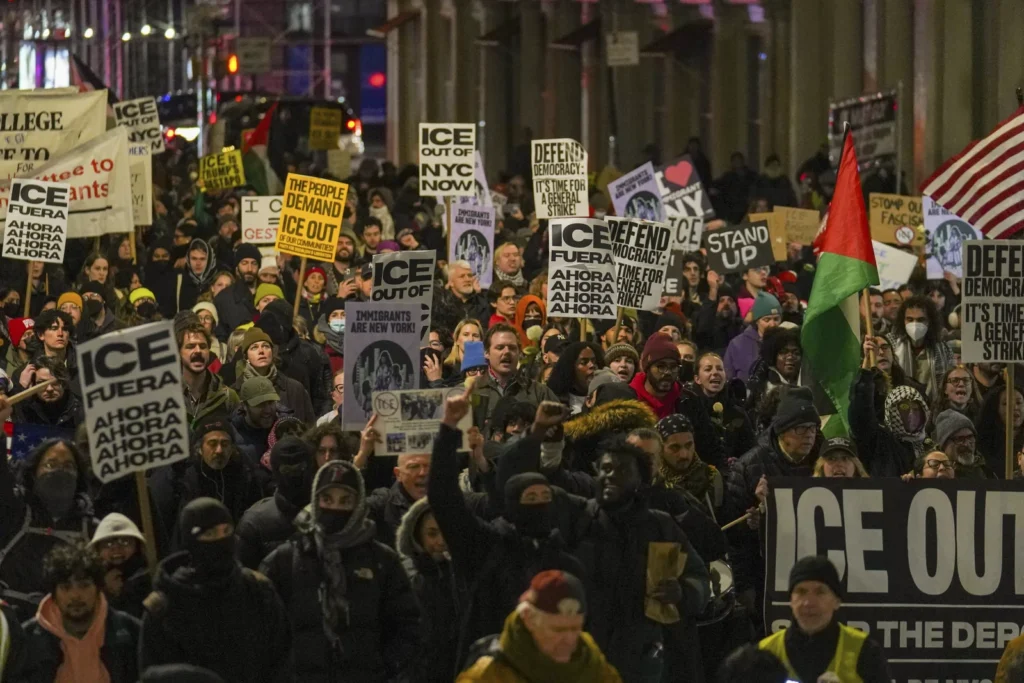
What distinguishes this case is not only the fatal outcome but the broader context: rising immigration arrests, expanded federal authority, and growing public concern about the use of lethal force during non-border enforcement operations. As investigations unfold, the shooting is reshaping national conversations about immigration, policing, and federal power.
What Happened During the ICE Operation in Minneapolis
According to preliminary reports, the fatal shooting occurred during an early-morning enforcement action conducted by U.S. Immigration and Customs Enforcement in Minneapolis. Federal agents were reportedly executing an immigration-related operation when a confrontation occurred, resulting in gunfire that killed a well-known local immigration activist.
Authorities have stated that agents perceived a threat during the encounter, while witnesses and community members dispute that account, claiming the victim was unarmed and attempting to document the operation. The conflicting narratives have fueled anger and suspicion, particularly in a city already shaped by past high-profile police violence cases.
Local officials in Minneapolis have acknowledged that the incident has reopened deep wounds related to law enforcement accountability. Calls for the immediate release of body-camera footage, dispatch logs, and operational warrants have grown louder, with civil-rights groups insisting that transparency is essential to restoring public trust.
Why This Incident Sparked Immediate National Protests
The speed and scale of the protests reflect years of accumulated tension surrounding immigration enforcement in the United States. Advocacy groups argue that federal agencies have increasingly conducted aggressive operations in residential neighborhoods, blurring the line between immigration enforcement and traditional policing.

For many demonstrators, the Minneapolis shooting symbolizes a broader pattern: the normalization of militarized enforcement tactics against civilian populations. Protesters have drawn parallels between immigration raids and controversial policing strategies, emphasizing that federal agents often operate with limited local oversight.
Social media has amplified the outrage, with videos, eyewitness accounts, and protest footage spreading rapidly. Within 24 hours, the Minneapolis shooting became a national trending topic, prompting solidarity demonstrations and coordinated marches demanding federal investigations and legislative reform.
Legal and Civil Rights Questions Raised by the Shooting
Legal experts note that fatal use-of-force incidents involving federal immigration agents are comparatively rare but legally complex. Unlike local police departments, ICE operates under federal authority, which can complicate investigations, prosecutions, and civilian oversight.
Civil-rights attorneys argue that the shooting raises urgent constitutional questions, particularly regarding Fourth Amendment protections against unreasonable force. They also point to concerns about jurisdiction, as local prosecutors may have limited authority to bring charges against federal officers without cooperation from the U.S. Department of Justice.
This case is already prompting renewed discussion about whether immigration enforcement should involve armed operations at all, especially when the target is not suspected of violent criminal activity. Advocacy organizations are calling for independent federal prosecutors and civilian review mechanisms to ensure impartial accountability.
Political Fallout and the Immigration Policy Divide
The Minneapolis shooting has quickly become a national political issue, intensifying partisan divisions over immigration enforcement. Progressive lawmakers have called for congressional hearings, budget reviews, and potential restrictions on ICE’s operational scope, while conservative leaders have defended the agency’s role in enforcing federal law.
Several members of Congress have argued that the incident highlights the dangers of expanding enforcement authority without parallel investments in oversight, training, and de-escalation protocols. Others counter that restricting ICE operations could undermine national immigration law and border security.
As the debate escalates, immigration policy is once again emerging as a central issue ahead of upcoming federal and state elections. Analysts note that incidents involving loss of life tend to accelerate policy shifts, particularly when they galvanize sustained public protest.
Minneapolis and Policing Scrutiny
Minneapolis occupies a unique place in national conversations about law enforcement accountability. Over the past decade, the city has become synonymous with demands for policing reform, civilian oversight, and structural change.
The ICE shooting has reignited those conversations, extending them beyond local police departments to include federal agencies operating within city limits. Community leaders argue that without local consent or transparency, federal operations risk destabilizing already fragile trust between residents and authorities.
Scholars of criminal justice note that cities with histories of high-profile police violence often respond more quickly and forcefully to new incidents, as public awareness and organizing networks are already well established.
Growing Calls to Reform or Abolish ICE
The protests following the Minneapolis shooting have renewed momentum behind movements advocating to reform, defund, or abolish ICE altogether. Activists argue that the agency’s mandate has expanded far beyond its original scope, with insufficient safeguards against abuse.
Supporters of reform propose alternatives such as transferring certain enforcement responsibilities to civil agencies, prioritizing non-detention approaches, and sharply limiting the use of armed operations. Critics of abolition warn that eliminating ICE without a comprehensive replacement framework could create enforcement gaps.
Regardless of the outcome, policy analysts agree that the Minneapolis case will likely influence future legislative proposals, funding decisions, and internal agency reforms.

How This Case Could Shape Federal Enforcement in 2026
Federal officials have indicated that an internal review is underway, alongside external investigations. While such reviews are standard, the public pressure surrounding this case may lead to more substantive changes than previous incidents.
Potential outcomes include revised use-of-force guidelines, expanded body-camera requirements, increased cooperation with local governments, and clearer rules governing when armed enforcement is justified. Some experts also anticipate renewed judicial scrutiny of immigration enforcement practices.
For immigrant communities and civil-rights advocates, the case represents a critical test of whether federal institutions can adapt in response to public concern—or whether systemic patterns will continue unchanged.
Why This Story Matters Beyond Minneapolis
The fatal ICE shooting in Minneapolis resonates far beyond city limits because it touches on fundamental questions about power, accountability, and human rights. It forces the nation to confront how immigration laws are enforced and at what cost.
As protests continue and investigations proceed, the outcome of this case may shape public trust in federal institutions for years to come. Whether it leads to reform, retrenchment, or further polarization remains uncertain, but its significance is undeniable.
A Defining Moment for Immigration Enforcement
The fatal ICE shooting in Minneapolis has evolved into a defining moment for U.S. immigration enforcement, sparking national protests, legal scrutiny, and renewed political debate. More than a single incident, it reflects broader tensions about how laws are enforced and how government power is exercised.
As America watches the investigations unfold, the response to this tragedy will signal whether accountability and reform can follow public outrage—or whether the cycle of controversy will continue. The stakes extend beyond immigration policy, touching the very foundations of democratic oversight and civil liberties.
Subscribe to trusted news sites like USnewsSphere.com for continuous updates.