Trump’s Greenland Tariff Threat Sparks NATO Tensions, Raising Global Trade and Security Fears
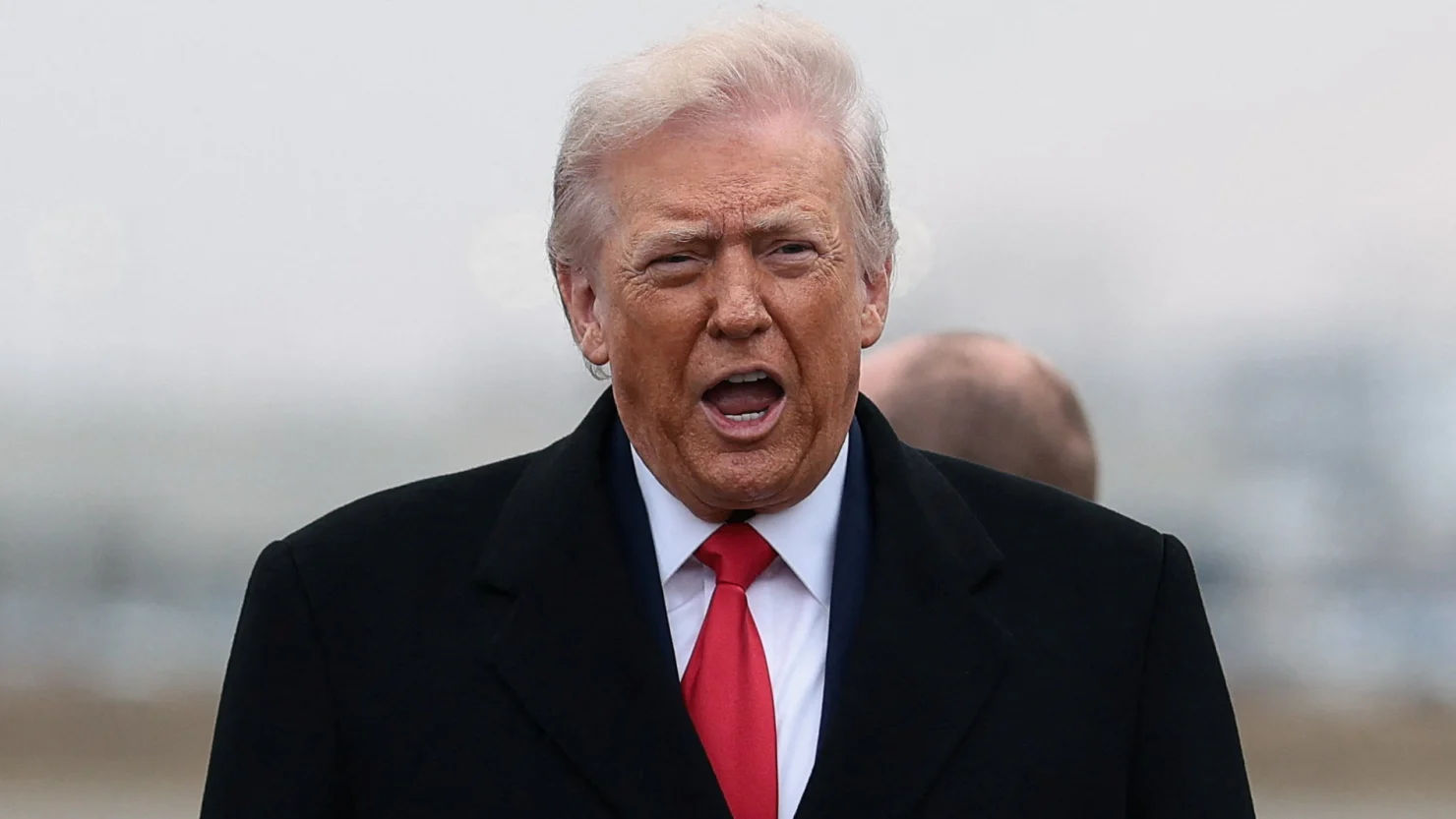
In a major escalation that could reshape transatlantic relations, President Donald Trump announced fresh 10% tariffs on imports from eight NATO countries over their opposition to U.S. attempts to gain control of Greenland—a move he says is essential for national security and missile defense. The levies, set to take effect February 1 and rise to 25% on June 1 if no deal is reached, target Denmark, Norway, Sweden, France, Germany, the United Kingdom, the Netherlands, and Finland, intensifying tensions within the alliance. Why this matters now: It puts longstanding cooperation with Europe at risk, could spark a trade war, and challenges the fabric of NATO unity at a critical geopolitical moment.
Trump’s Strategy: Tariffs as Leverage in the Greenland Dispute
President Trump’s announcement framed new tariffs as retaliation for European NATO allies deploying troops to Greenland and resisting U.S. ambitions to purchase the strategically located Arctic territory. In social media posts, Trump said the tariffs would persist “until such time as a Deal is reached for the Complete and Total purchase of Greenland,” linking economic penalties directly to geopolitical goals.
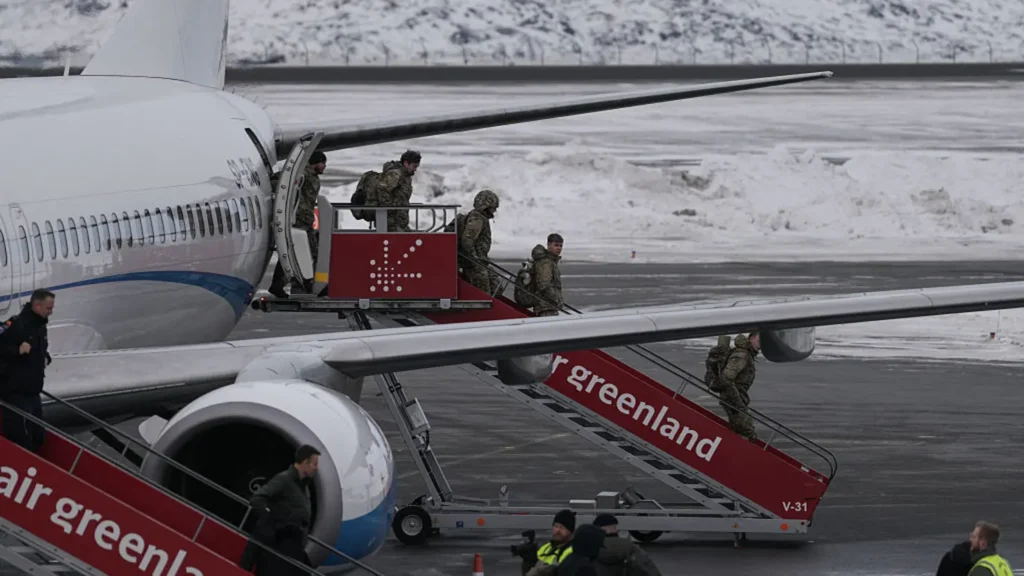
Trump’s assertion that Greenland is vital for U.S. security—citing threats from Russia and China—has been a recurring theme but now has concrete economic consequences for allied economies. The tariff policy expands beyond traditional trade disputes and touches on alliance politics, national sovereignty, and defense cooperation, marking an unprecedented fusion of trade policy with territorial ambition.
International Backlash: Europe Unites Against Tariff Threats
European leaders responded forcefully to the tariff announcement, viewing it as coercion rather than constructive diplomacy. The European Union’s top officials warned the measures could undermine decades of integration and cooperation with the U.S., pushing the continent toward a unified response that defends sovereignty and international law.
France’s President Emmanuel Macron declared that “no intimidation nor threat will influence us,” reinforcing the bloc’s resistance to pressure. EU Council President António Costa and Commission President Ursula von der Leyen reiterated that tariffs risk harming mutual prosperity and could trigger a downward spiral in transatlantic relations. Some European lawmakers have even suggested halting the ratification of broader EU-U.S. trade pacts in protest.

The collective European stance underscores how deeply the dispute has struck at the core of longstanding diplomatic, security, and economic relationships with Washington.
Domestic U.S. Debate and Congressional Concerns
Back home, Trump’s policy has drawn criticism from lawmakers across the political spectrum. A bipartisan congressional delegation in Copenhagen reaffirmed that most Americans do not support the idea of purchasing Greenland and expressed concern that unilateral tariff actions could damage NATO cohesion and American credibility with allies. Senators highlighted the importance of respecting Greenland’s autonomy and Denmark’s sovereignty, emphasizing that foreign policy goals must not erode critical defense alliances.
Legal experts have also questioned the authority under U.S. law for imposing tariffs tied to geopolitical demands rather than clear trade violations. This legal ambiguity adds another layer of uncertainty to an already volatile diplomatic situation.
Grassroots Reaction: Protests and Greenlandic Sentiment
Across both Greenland and Denmark, large protests erupted under the “Hands off Greenland” banner, drawing thousands on the streets to oppose Trump’s stance. Residents of Nuuk and other Nordic cities carried banners proclaiming “Greenland is not for sale,” signaling a groundswell of public resistance that mirrors political objections from European capitals.
These demonstrations reflect growing resentment and fear among Greenlanders that external powers are attempting to undermine their autonomy and democratic choice. Historical grievances—dating back to past overtures by the United States to acquire Greenland—have resurfaced and amplified local opposition.
Wider Implications: NATO Unity and Future Risks
The imposition of tariffs on key NATO members at a time of heightened global tensions—especially amid Russia’s war in Ukraine and strategic competition with China—poses serious risks to alliance cohesion. Critics warn that economic punishment of allies destabilizes the very framework designed to deter aggression and uphold a collective defense.
Moreover, combining trade policy with territorial disputes blurs the line between economic warfare and diplomatic negotiation, raising the specter of broader retaliation and fracturing long-standing partnerships. With European leaders expressing unified opposition and exploring coordinated countermeasures, the dispute could extend far beyond a bilateral issue, potentially reshaping global trade dynamics and military cooperation.
A High-Stakes Test of Transatlantic Relations
President Trump’s new tariffs tied to Greenland have ignited international backlash, domestic debate, and grassroots resistance. What began as a territorial aspiration has rapidly escalated into a diplomatic and economic confrontation involving NATO, the EU, and global markets. How this situation unfolds could have lasting consequences for international alliances, trade relations, and the geopolitical balance in the Arctic and beyond.
Subscribe to trusted news sites like USnewsSphere.com for continuous updates.