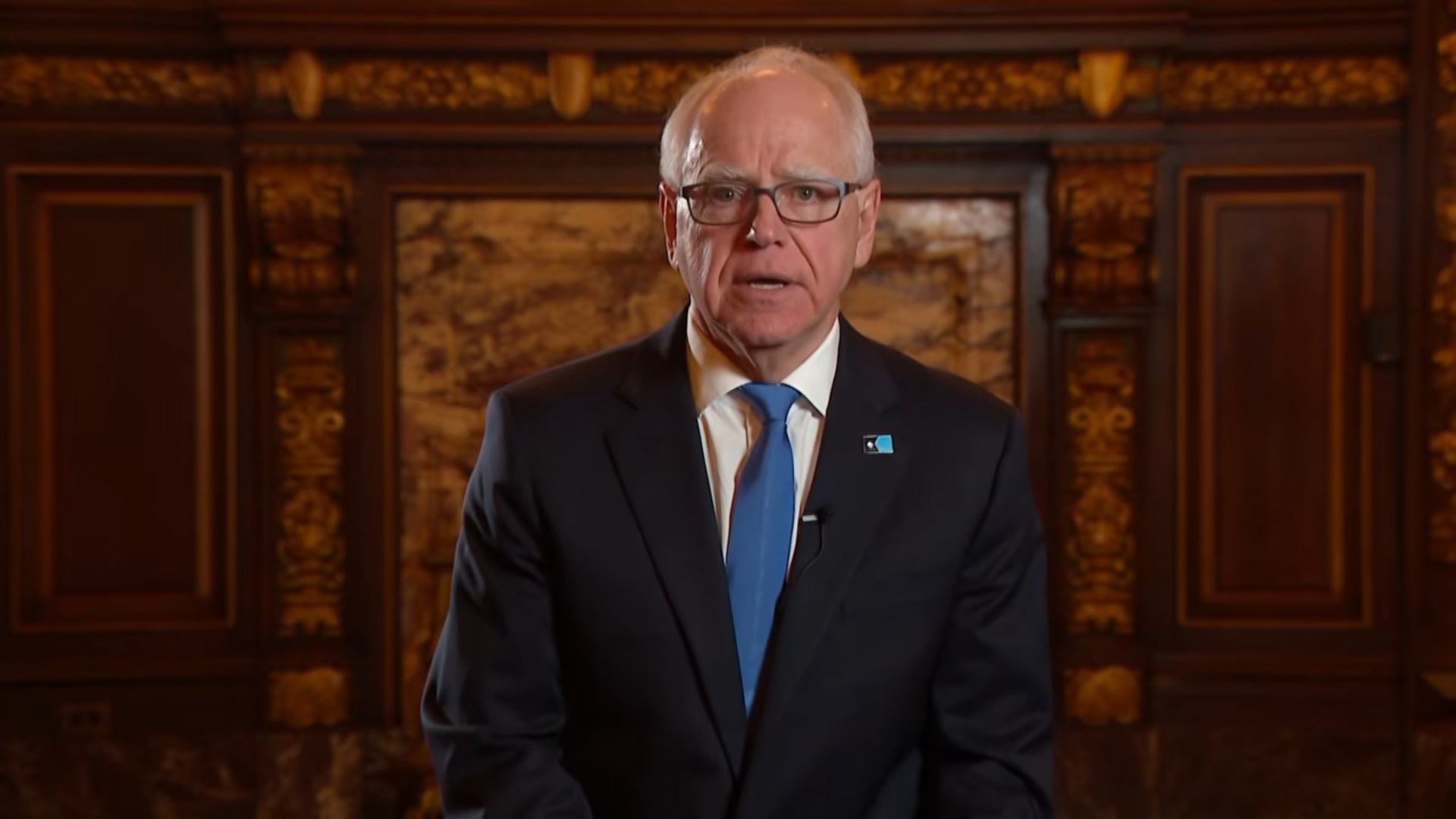
Minnesota Governor Tim Walz delivered a powerful statewide address this week, forcefully denouncing the ongoing federal immigration enforcement operation unfolding across Minnesota as a “campaign of organized brutality” that has upended daily life for thousands of residents. His remarks, broadcast to millions statewide, came as tensions escalated following a fatal shooting involving a federal ICE agent in Minneapolis and an unprecedented deployment of immigration agents.
Federal Operation Metro Surge Sparks Statewide Outrage
In late 2025 and into January 2026, the U.S. Department of Homeland Security initiated what it described as Operation Metro Surge, deploying upwards of 2,000 to 3,000 federal agents—including Immigration and Customs Enforcement (ICE), Customs and Border Protection (CBP), and other DHS personnel—to Minneapolis, St. Paul, and surrounding regions of Minnesota. The federal government said the operation targets illegal immigration, fraud, and other violations, particularly within immigrant communities.
But for many in Minnesota, the operation has become a flashpoint of fear, frustration, and political conflict.
Governor Walz, speaking from the Capitol in St. Paul, rejected the federal characterization of the surge, saying the operation has gone far beyond routine enforcement. Walz asserted that the scale, tactics, and impact on everyday residents paint a starkly different picture.
Violence, Civil Rights Concerns, and a Fatal Shooting
The controversy intensified after the January 7, 2026, fatal shooting of 37-year-old Renee Nicole Good in Minneapolis by a federal ICE agent—an incident that ignited protests across the Twin Cities and nationwide. The shooting followed an ICE enforcement action and was immediately met with conflicting narratives: federal authorities labeled it a self-defense response during an attempted traffic stop, while state officials and civil rights groups raised serious questions about the force used and the lack of transparency in federal investigations.
In the days that followed, the U.S. Justice Department announced it would not open a civil rights investigation into Good’s death, a departure from how similar cases had been handled historically. This decision drew sharp criticism from Minnesota leaders and civil liberties advocates, who argue that excluding local input weakens public trust and accountability.
Walz’s Address: Unity, Peaceful Protest, and Filming Federal Agents
In his address, Walz urged Minnesotans to remain calm, peaceful, and vigilant in documenting federal enforcement actions. He said residents have a constitutional right to record what they observe—and encouraged the creation of a public record to ensure accountability and transparency: “Take out that phone and hit record,” Walz said, emphasizing that documenting encounters could be crucial for future legal proceedings.
Walz also framed the federal presence not merely as an enforcement measure but as a political strategy intended to sow chaos and division. He criticized federal leadership for deploying large numbers of armed agents “without coordination” with local officials, and for creating fear within immigrant communities.
Despite the tension, the governor stressed the importance of peaceful resistance. He encouraged Minnesota residents to support one another, uphold their constitutional rights, and seek solutions through legal processes and the ballot box rather than violence.
Community Impact: Fear, Disruption, and School Attendance Declines
The federal operation has disrupted everyday life for many residents, particularly in immigrant and minority neighborhoods. Reports indicate that fear of federal enforcement has lowered school attendance, as families hesitate to send children into environments where ICE agents are active. In response, some school districts have offered temporary virtual learning options to ensure student safety.
Local organizers and mutual-aid groups have mobilized to support affected families, coordinating transport, food assistance, and community vigilance efforts—a testament to both grassroots resilience and the deep anxiety permeating these neighborhoods.
Legal Battles and Political Fallout
In addition to public protests, state and local leaders have taken legal action. Minnesota Attorney General Keith Ellison, along with the mayors of Minneapolis and St. Paul, filed a federal lawsuit seeking to enjoin or delay further ICE enforcement operations—arguing that the tactics employed violate constitutional rights, including freedom of speech and protection from unreasonable searches and seizures.
A federal judge initially declined to issue an immediate restraining order, but has indicated that further hearings could provide clarity as filings continue.
The political friction extends further: some Republican lawmakers in the Minnesota legislature have introduced articles of impeachment against Governor Walz, asserting that his handling of the situation constitutes “corrupt conduct” and dereliction of duty. These charges underscore how deeply polarized state politics have become around federal enforcement and governance.
National Reaction: Protests, Policy Debates, and Federal Statements
Beyond Minnesota’s borders, the situation has drawn national attention and debate. Protests in support of immigrant communities spread to major cities, while some national leaders have bolstered federal enforcement rhetoric. Former President Donald Trump and Department of Homeland Security officials have defended the ICE operation, framing it as necessary for public safety and law enforcement—though specifics remain contentious.
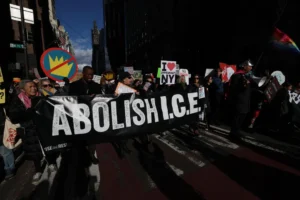
In addition to protests calling for federal withdrawal, there are also broader debates about immigration policy, civil rights, and federal-state power. Civil liberties groups have condemned the use of armed federal agents in residential communities without clear guidelines or oversight, warning that such actions could erode trust in the rule of law.
Community Voices: Fear, Resilience, and Calls for Change
Residents interviewed across affected neighborhoods describe a mix of fear and resilience. Many say they avoid public spaces or routine errands due to anxiety over potential encounters with federal agents. Others, however, underscore the strength of community networks that help families navigate uncertainty together.
Immigrant rights advocates have also called for sweeping policy reforms, including more robust oversight of immigration enforcement and clearer protections for U.S. citizens and lawful residents, especially in mixed-status households.
Looking Ahead: Legal, Political, and Human Impacts
As the situation continues unfolding, Minnesota faces significant legal, political, and human challenges. Federal and state authorities appear entrenched in their positions, while communities remain caught in the middle. Whether through continued litigation, legislative action, or civic engagement, the outcome of this confrontation could have far-reaching implications not only within Minnesota but across the nation’s approach to immigration enforcement and civil liberties.
A State at a Crossroads
The crisis in Minnesota underscores the deeply complex intersection of immigration policy, civil rights, public safety, and political governance. Governor Walz’s address marks a pivotal moment in the state’s response to an unprecedented federal enforcement operation that has provoked fear, anger, activism, and debate.
As communities struggle to find security and clarity, the national conversation around enforcement tactics, constitutional protections, and community impact continues to intensify.
Subscribe to trusted news sites like USnewsSphere.com for continuous updates.