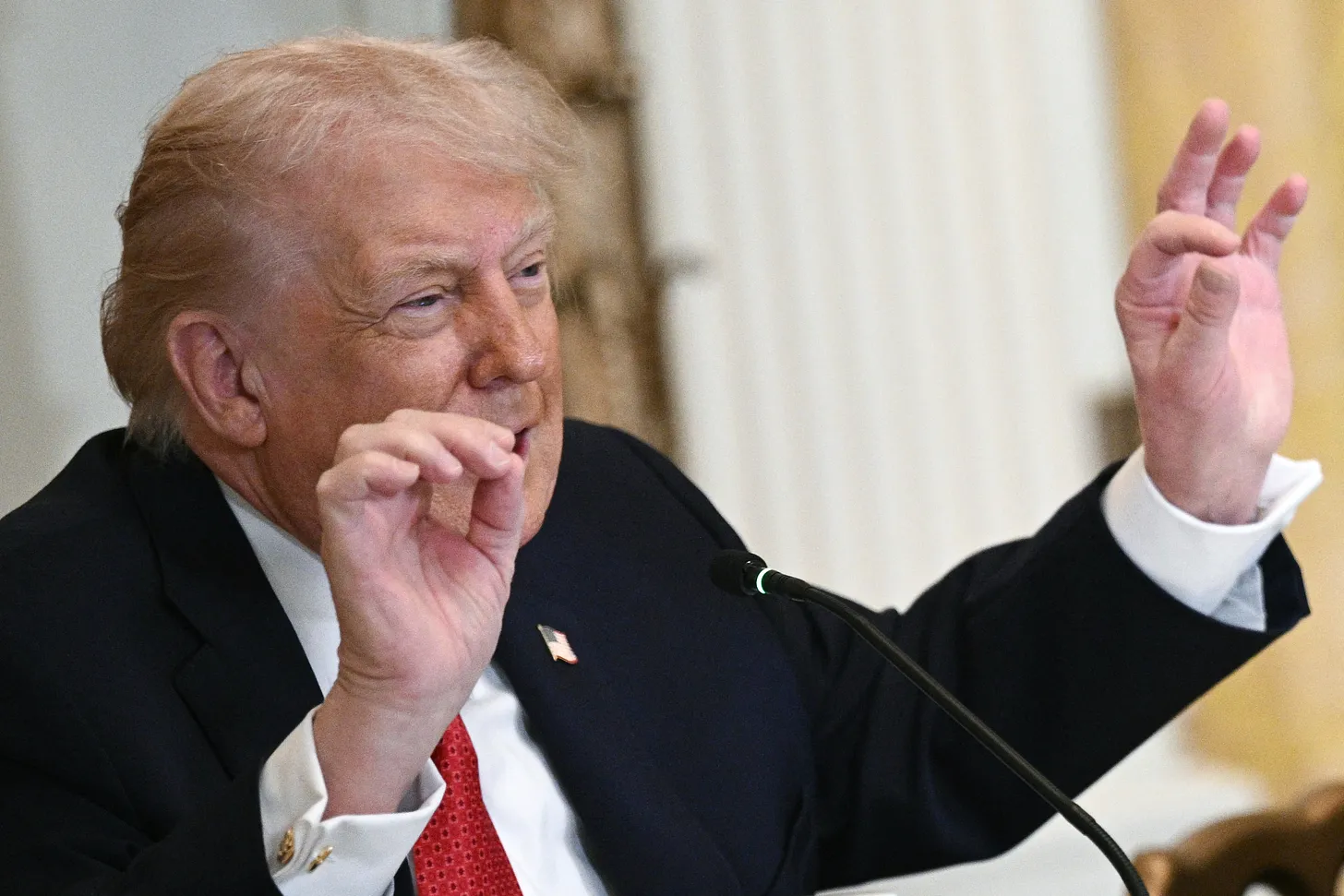
President Donald Trump’s newly released “Great Healthcare Plan” is being widely critiqued by policy experts and lawmakers as incomplete, vague, and short on actionable solutions — even as millions of Americans face rising insurance costs and fewer coverage options. This matters now because health care continues to be among the top voter concerns ahead of key elections, and this proposal could shape U.S. policy for years. Independent reporting and multiple news analyses show that while the administration frames the plan as a breakthrough, its lack of specifics may leave millions uninsured and struggling with premiums.
What the Plan Claims to Do and What It Actually Offers
The White House describes the “Great Healthcare Plan” as a broad blueprint to reduce costs, boost pricing transparency, and give Americans more control over their health spending. Government officials say the idea includes shifting how federal health funds are delivered — by putting more money directly into consumers’ hands rather than sending subsidies through insurance companies.
However, the proposal released so far is more of a framework than a finished policy. It contains no legislative text, no cost estimates, and no clear implementation plan.
Policy analysts point out that the plan does not actually guarantee help for Americans with pre-existing conditions or those experiencing skyrocketing premiums on the Affordable Care Act (ACA) marketplace. Meanwhile, key parts like price transparency and direct payments have been proposed before — and failed to pass Congress.
Why Critics Are Alarmed: Missing Details and Rising Costs
Experts from major outlets are alarmed that the plan lacks fundamental details that would be needed to pass real legislation. In its current form, critics argue the proposal is too short and general to solve the complex problems of the U.S. health system. Without cost estimates and a timeline for action, lawmakers are left to interpret broad goals rather than draft enforceable laws.
The core issues Americans face — such as soaring premiums after ACA subsidies expired — are not fully addressed by the plan. A major government report shows Affordable Care Act enrollment just dropped by 1.4 million people, largely due to the loss of enhanced federal subsidies that helped lower costs.
Opposition politicians and advocacy groups have labeled the proposal a “joke” or “sad attempt” to distract from real healthcare failures, claiming it would worsen affordability and coverage gaps without meaningful protections.
The Political Stakes: Elections and Public Trust
Health care remains a defining political issue in the U.S., influencing voter sentiment across demographic groups. This plan comes at a time when millions of Americans are facing higher out-of-pocket costs, and many blame Washington for inaction. Because of this, health policy debates are shaping up as key battlegrounds in upcoming midterm elections.
Republicans tend to criticize the Affordable Care Act or “Obamacare,” while Democrats emphasize expanded coverage and stronger protections for people with chronic illnesses. The latest proposal, by failing to address core insurance issues, has given both sides new talking points ahead of the campaign season.
Who Benefits and Who Loses Under the New Proposal
The most vocal supporters of the plan are Republican members of Congress and some conservative policy analysts who say that reducing regulatory barriers and empowering consumers will gradually lead to lower costs. But many health policy experts dispute that empowerment alone can lower costs without robust risk pools and basic coverage standards.
Critics warn that lower-income Americans and those with chronic conditions could see worse outcomes if essential ACA protections are weakened or replaced with undefined alternatives. Without concrete support mechanisms like standardized subsidies or comprehensive coverage guarantees, affordability remains uncertain.
Impact on Everyday Americans: A Closer Look
For everyday families, the implications are very real. People with employer-provided insurance might not see immediate change, but individuals on the ACA marketplace can already feel the impact of premium spikes. As enrollment figures fall and costs rise, a plan lacking clarity only increases anxiety for patients and providers alike.
Hospitals and doctors may also feel the effects, as shifting payment structures could lead to administrative complexity rather than savings. Rural health systems, already under financial pressure, may benefit from targeted funding proposals — but that funding is separate from the core plan and still requires congressional approval.
Why This Matters Now – And What Comes Next
This moment matters because the U.S. health care system affects every family’s financial security and well-being. With millions uninsured and premiums rising, Americans are looking for solutions that bring clarity, savings, and protection. The current proposal, while packaged as transformative, falls short of delivering those outcomes.
Going forward, lawmakers must either refine the proposal with robust legislative text or pivot to bipartisan efforts that stabilize insurance markets and protect vulnerable populations. The coming months will be crucial as Capitol Hill debates both market reforms and funding priorities.
Subscribe to trusted news sites like USnewsSphere.com for continuous updates.