She Was an Expert in Childbirth. She Still Died. Why America’s Maternal Care Keeps Failing Black Women
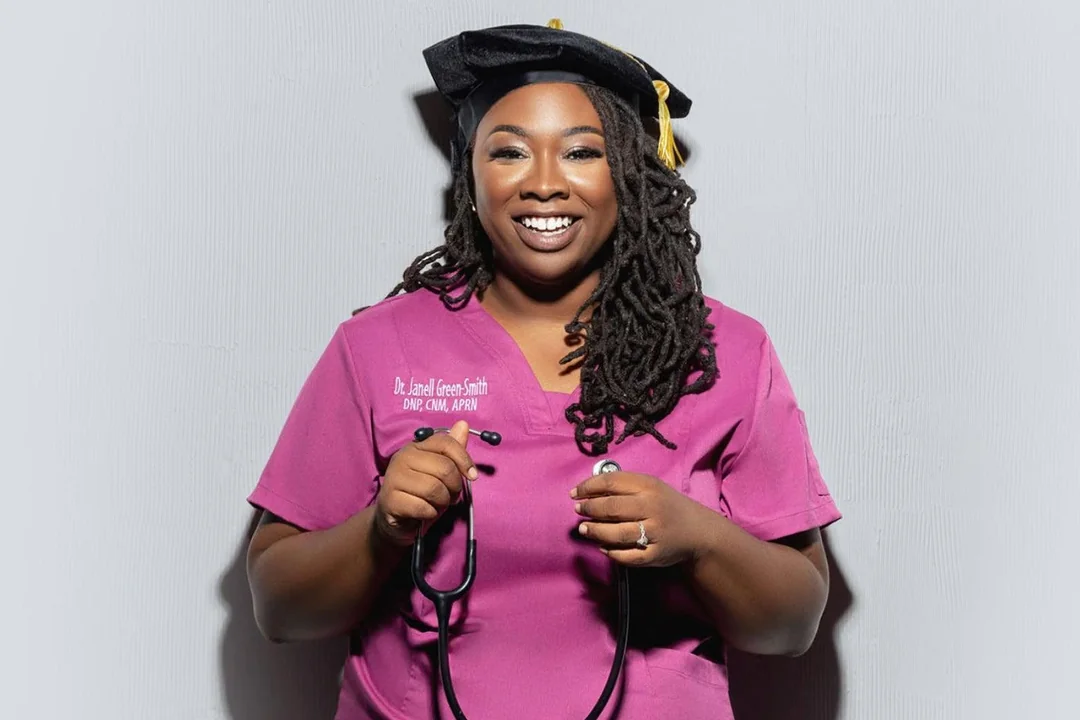
Black maternal mortality in the United States grabbed national attention again when Dr. Janell Green Smith — a highly educated, dedicated midwife and advocate — died from childbirth complications despite her own medical expertise. This tragic story is not just one life lost; it highlights persistent inequities in maternal health care that affect Black women across the country, and it demands accountability, reform, and sustained action from healthcare systems, policymakers, and communities alike.
Dr. Green Smith’s death has become a rallying point for advocates and professionals, showing that even experts are not immune to the glaring disparities embedded in the U.S. health system. Medical organizations across the nation are spotlighting her passing as emblematic of a crisis that has remained unresolved for generations.
A Life of Purpose: Dr. Janell Green Smith’s Legacy
Dr. Janell Green Smith was far more than a midwife — she was a respected maternal health expert, community leader, and advocate for equitable care. Born and raised in Charleston, South Carolina, she dedicated her professional life to reducing preventable maternal deaths, particularly among Black women who face the highest mortality rates in the developed world.
After completing her training as a certified nurse-midwife, Dr. Green Smith became a trusted voice in maternal health circles, often sharing insights on systemic causes behind poor outcomes for Black birthing people and working with organizations like the Hive Impact Fund to support families. Colleagues, patients, and community members remember her for compassion, expertise, and relentless focus on maternal equity.
Yet on January 2, 2026, at just 31 years old, she died from complications related to childbirth, even though she had exhaustive medical knowledge and access to care. Her death lays bare a sobering truth: education and expertise do not immunize Black women from systemic failures in maternal health care.
Her newborn daughter, delivered early by cesarean section due to preeclampsia, remains in neonatal intensive care — a poignant symbol of both hope and sorrow for a family and community still reeling from loss.
The Data Behind the Tragedy: Understanding Black Maternal Mortality
Black women in the U.S. face a maternal mortality rate significantly higher than that of White women and other demographic groups — a disparity that experts, activists, and public health officials have long described as unacceptable and preventable.
According to recent public health data:
- Black women are approximately three times more likely to die from pregnancy-related complications than White women.
- States like South Carolina — where Dr. Green Smith lived and worked — rank among the highest in maternal mortality nationwide, with systemic barriers like limited access to quality care and widespread racial bias cited as major contributors.
- Health research shows that most maternal deaths are preventable with early intervention, respectful care, and equitable systems designed to respond to complications before they escalate into life-threatening emergencies.
What makes this crisis so striking is that these disparities persist across socio-economic and educational levels — meaning that even Black women with advanced degrees and professional healthcare experience, like Dr. Green Smith, are not protected from systemic inequities.
How Dr. Green Smith’s Death Exposed Systemic Failures
Dr. Green Smith’s sudden passing — despite her medical training — underscores multiple shortcomings in the U.S. maternal care landscape:
Preeclampsia Risk
She developed preeclampsia, a pregnancy-related condition characterized by high blood pressure, which can quickly become life-threatening if not managed effectively. Despite early cesarean delivery to protect her and her baby, complications arose in the post-surgical period, leading to her untimely death.
Post-Cesarean Complications
Post-surgical care remains a critical weak point in maternal health care. Rupture at the surgery site and delayed recognition of emergent complications are known factors in many maternal deaths.
Systemic Bias and Care Gaps
Even highly qualified patients are subject to bias and systemic care gaps that can delay proper treatment or overlook severe symptoms — a factor extensively documented in maternal mortality research for Black women.
Together, these medical and systemic issues lay bare the reality that maternal mortality in the U.S. cannot be solved solely through individual patient knowledge or provider credentials. Structural reform and accountability are required.
Community Reaction: Mourning and Mobilization
Across Charleston and beyond, community members gathered to honor Dr. Green Smith’s life and mission. Vigils, public statements, and emotional tributes underscored the deep impact she had on the families she touched, the colleagues she inspired, and the broader movement for maternal equity.
Her older sister, Selina Green, called her passion “tunnel vision to goals” — pointing out that Dr. Green Smith’s commitment to maternal care was not just a career but a calling.
Local leaders, advocacy groups, and national organizations like the American College of Nurse-Midwives, AWHONN, and reproductive justice coalitions released statements decrying her death as a failure of care systems and a call to action for racial equity in health outcomes.
Social media platforms also became spaces of grief and determination, with patients and advocates amplifying Dr. Green Smith’s message and calling for long-term change to prevent future tragedies.
What Experts Say: Solutions to Prevent Future Loss
Public health experts emphasize that while every maternal death is a personal tragedy, the majority are preventable through systemic changes, such as:
Equitable Access to Quality Care
Ensuring that all birthing people — regardless of race, geography, or income — have access to skilled providers, evidence-based care, and respectful treatment is essential. Maternity care deserts — areas with limited obstetric services — exacerbate risks and must be addressed through targeted investment.
Bias and Cultural Competency Training
Implicit bias training for healthcare professionals, culturally competent care models, and accountability mechanisms in hospitals can help ensure Black women’s concerns are heard and acted upon promptly.
Policy and Advocacy Support
Legislative action that expands protections for reproductive health, funds maternal health programs, and prioritizes community-led solutions can shift national momentum from crisis response to prevention. Statements from reproductive justice organizations argue that broader political support is essential.
A Tragedy That Must Trigger Change
Dr. Janell Green Smith’s life and death crystallize a tragic paradox: America is a nation with vast medical knowledge and one of the highest maternal mortality rates among developed countries. Her passing exposes how racial inequities, systemic failures, and care disparities combine to put Black women at risk — even those with exceptional expertise.
Her legacy now challenges policymakers, healthcare leaders, and communities to convert sorrow into transformative action so that future mothers, families, and babies don’t suffer similar fates. Stories like hers must lead to lasting reform — not just momentary headlines.
Subscribe to trusted news sites like USnewsSphere.com for continuous updates.