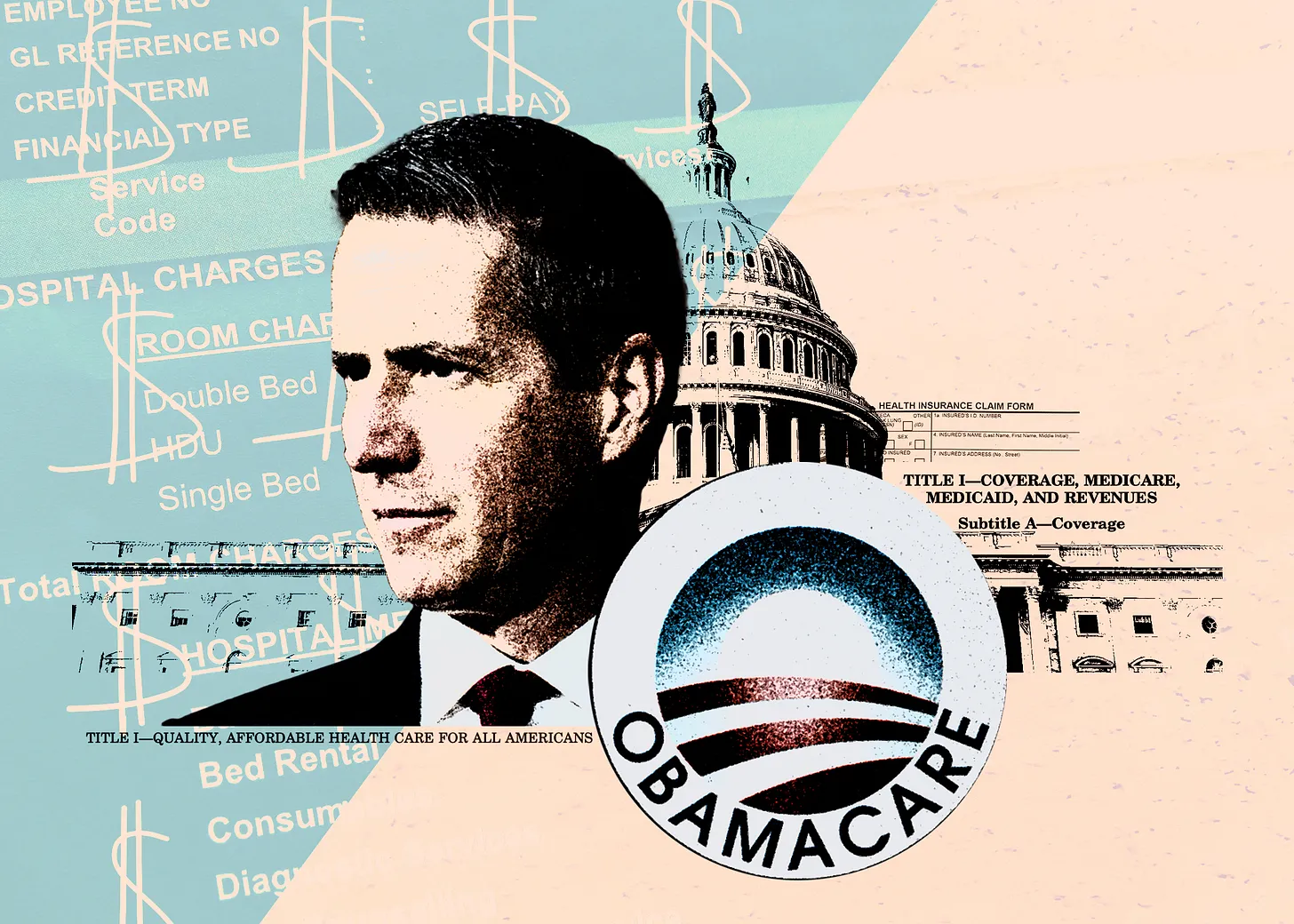
Obamacare Subsidy Extension Revives After ‘Near Death,’ Triggering High-Stakes Senate Battle Over Coverage
Affordable Care Act subsidies extension is once again at the center of national debate as Congress acts to reinstate federal tax credits that had expired, impacting millions of Americans’ health insurance costs. This issue has dominated political discussions in Washington, driven by bipartisan urgency, rising insurance premiums, and growing public demand for affordable coverage. Sources show that last week’s House vote marked a rare moment of cross-party cooperation, but the path ahead in the Senate remains highly uncertain and politically charged.
The significance of this development cannot be overstated: after enhanced subsidies expired at the end of 2025, many households began seeing a sharp rise in their health insurance premiums, prompting bipartisan concern and calls for action. With enrollment deadlines looming and healthcare costs escalating, lawmakers are under unprecedented pressure to craft a solution that will stick.
The Political Battleground: How the House Passed the ACA Subsidies Bill
The U.S. House of Representatives recently voted 230-196 to extend enhanced Affordable Care Act (ACA) tax credits — commonly referred to as Obamacare subsidies — for three additional years. This measure aimed to help control rising health insurance costs that many Americans now face after the expiration of federal assistance.
This outcome was largely possible because a small group of Republican lawmakers defied their leadership, joining all House Democrats in support of the extension. Seventeen Republicans crossed party lines to vote with Democrats, marking a striking rebuke to Republican leaders, including Speaker Mike Johnson, who opposed the clean extension.
Moderate Republicans from swing districts — where healthcare affordability is a central voter concern — cited rising premiums and political pressures in their decision to support the bill. Democrats framed the extension as essential to preventing millions from losing affordable coverage. The bipartisan coalition in the House reflects widespread concern across both parties about the broader impact of ending enhanced subsidies.
Despite the political divide, many lawmakers stressed that they were acting in the public interest to ensure stable healthcare coverage ahead of upcoming elections. Supporters argue that without restoring these subsidies, many families will be priced out of essential insurance coverage at a time when health care costs are increasing nationwide.
Impact on Americans: Rising Costs and Coverage Concerns
When enhanced ACA subsidies expired on December 31, 2025, the average cost of health insurance premiums soared significantly, causing worry among millions of ACA marketplace enrollees. A recent study showed that premiums could nearly double for affected households — from approximately $900 to nearly $1,900 annually — without renewed assistance.
The result has been a decline in ACA enrollment as some individuals and families struggle with the sharp cost spike. Enrollment data from U.S. health agencies revealed that coverage numbers fell in late 2025, illustrating how quickly Americans feel the impact when federal assistance lapses.
Experts warn that failing to restore subsidies could push millions more into uninsured status, increasing uncompensated care costs and placing greater strain on emergency healthcare systems. This domino effect not only affects those directly enrolled in ACA plans, but can indirectly raise costs for individuals with employer-sponsored insurance as hospitals and providers adjust to increased uncompensated care.
Public opinion also plays a role in the political pressure around this issue. Polls conducted prior to the 2026 legislative battle showed that a strong majority of Americans — across party lines — supported extending enhanced ACA tax credits, highlighting broad concern about healthcare affordability.
Senate Subcommittee Negotiations: Compromise or Collapse?
While the House has passed the extension bill, its journey is far from over. The measure now moves to the Senate, where lawmakers must negotiate a compromise that satisfies both parties in a more narrowly divided chamber.
Republicans in the Senate have signaled that they may not support the House’s clean three-year extension without changes. Instead, some GOP senators favor a two-year extension with reforms that include income eligibility caps, anti-fraud provisions, and supplemental options like health savings accounts.
For a bill to pass the Senate under current rules, it generally needs 60 votes — requiring bipartisan cooperation. Negotiators are reportedly working on a framework that might secure enough support, but several sticking points remain, including debates over abortion-related coverage language and how to satisfy fiscal conservatives worried about cost estimates.
Adding to the uncertainty, former President Donald Trump has publicly suggested that he might veto legislation that extends Obamacare subsidies without his preferred reforms attached. This public stance further complicates the chances of a clean extension becoming law and underscores how high the political stakes are in these negotiations.
Meanwhile, both Senate and House leaders from both parties have voiced urgency around finalizing a bipartisan approach before crucial ACA enrollment deadlines and ahead of the 2026 election cycle. A delayed or failed compromise could deeply impact millions of Americans, depending on these subsidies for affordable healthcare.
Economic and Social Consequences of ACA Subsidies Lapsing
Economists and healthcare experts emphasize the broader implications if federal support for ACA subsidies is not sustained. Without these tax credits, many families could face significantly higher healthcare costs, potentially leading to deferred or forgone medical care. This raises concerns about worse health outcomes, particularly for low- and middle-income populations.
The potential increase in uninsured individuals also poses a systemic challenge. Without affordable coverage, more patients may rely on emergency services, which in turn shifts financial burdens onto hospitals and taxpayers and can raise insurance costs across the board.
In addition to cost concerns, social equity advocates argue that keeping the ACA subsidies in place is crucial to reducing health disparities, especially among vulnerable and underserved communities. These groups have tended to benefit most from enhanced premium tax credits and expanded eligibility criteria introduced during the pandemic.
The Congressional Budget Office has estimated that extending subsidies could raise federal spending — but proponents maintain that the long-term benefits, including improved public health and more consistent coverage, justify the cost, especially given the public outcry over rising premiums.
What Comes Next: Deadlines, Decisions, and Public Pressure
As lawmakers continue debating, the clock is ticking. ACA enrollment windows typically close in mid-January, and without a timely solution, many Americans could lose access to affordable plans for the coming year. This reality has added urgency to negotiations in both chambers of Congress.
Public pressure is amplifying, with advocacy groups and consumer organizations pushing for a swift resolution that ensures continuous support for those relying on federal subsidies. The healthcare debate also has significant political dimensions, especially ahead of the 2026 midterm elections, where affordable healthcare is likely to remain a top voter issue.
Whether Congress can deliver a bipartisan compromise that will actually become law remains the central question. But one thing is clear: the fate of ACA subsidies will deeply influence millions of Americans’ access to affordable healthcare and will continue to shape national policy debates well into this year and beyond.
Stakes Are High for Americans and Lawmakers
The battle over Affordable Care Act subsidy extensions reflects deep political divides, but also widespread consensus on the real-world importance of health insurance affordability. With rising premiums, declining enrollment, and broad public support for continued financial assistance, the stakes could not be higher.
As Congress navigates complex negotiations in the Senate and faces public pressure, the outcome will not only affect the cost of healthcare for millions but could also have ripple effects through the broader U.S. economy and political landscape. What happens next will be watched closely by families, healthcare providers, insurers, and voters nationwide — all awaiting a solution that combines sustainable policy with real relief.
Subscribe to trusted news sites like USnewsSphere.com for continuous updates.