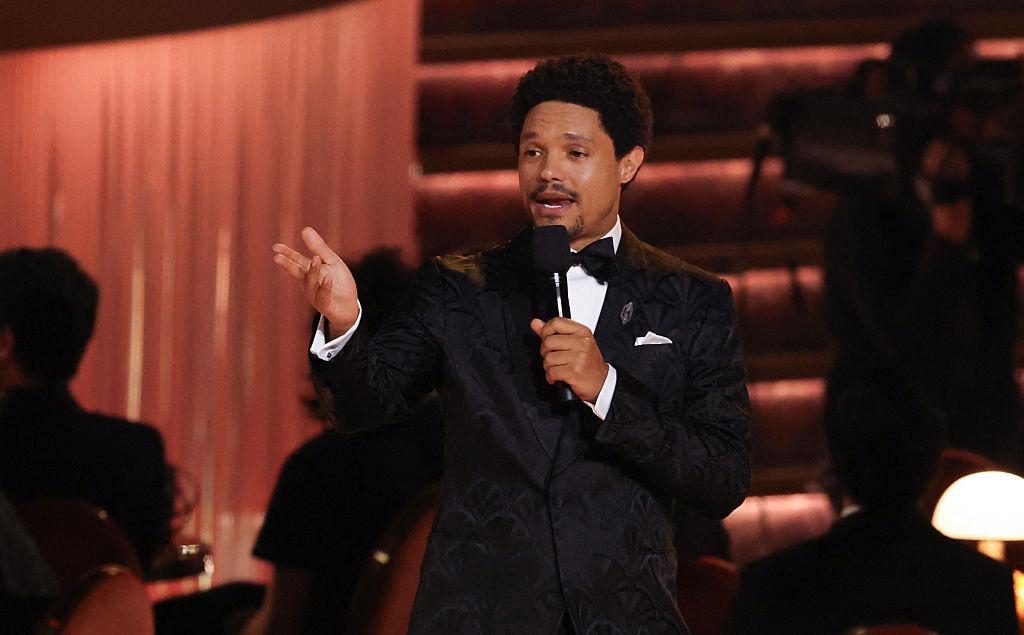
Trump threatens to sue Trevor Noah over Epstein joke at Grammys after the comedian made a remark linking former President Donald Trump to Jeffrey Epstein during a high-profile awards broadcast watched by millions. The comment, delivered on live television, immediately triggered backlash from Trump, who denied the claim and warned of legal action. The controversy raises serious questions about defamation, free speech, and how unresolved Epstein allegations continue to shape U.S. politics and media debates. Why this matters now: the moment highlights how sensitive Epstein-related references remain and how political figures are increasingly using legal threats to fight reputational damage in real time.
What Was Said During the Grammys Broadcast
During the Grammy Awards ceremony, host Trevor Noah made a joke referencing the long-running controversy surrounding convicted sex offender Jeffrey Epstein. The comment implied a connection between Epstein and powerful figures, including former President Donald Trump, without presenting evidence or context.
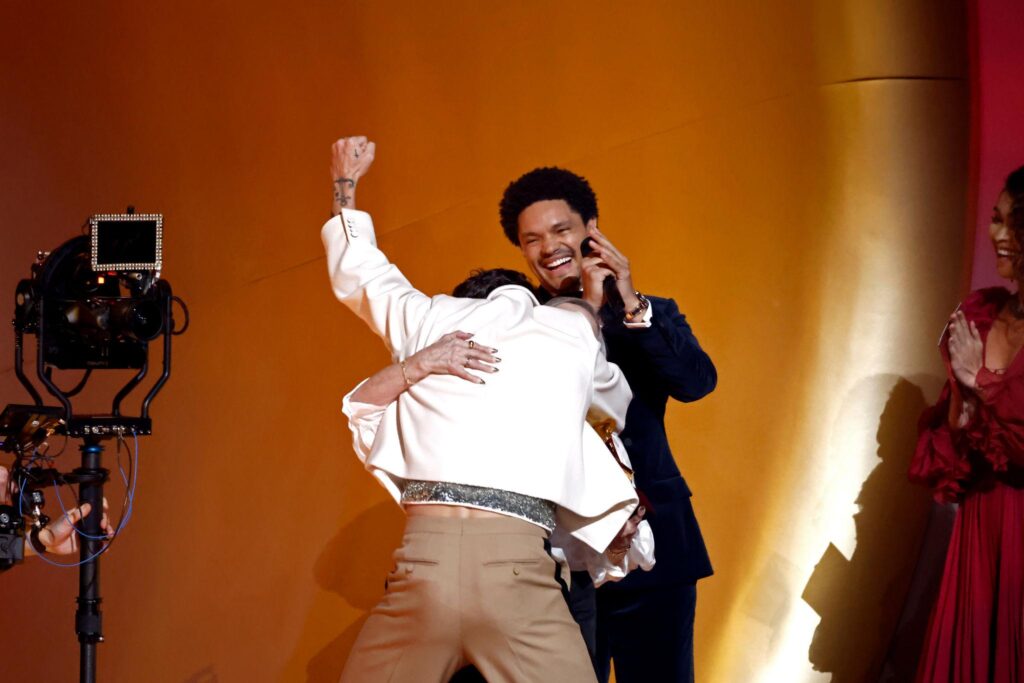
The joke quickly spread across social media platforms, gaining millions of views within hours. Supporters of Noah described the remark as political satire, while critics argued it crossed a line by reviving unproven allegations. The moment instantly became one of the most talked-about segments of the broadcast, overshadowing much of the event’s musical coverage.
Trump’s Response and Legal Threats
Within hours of the broadcast, Trump issued a strong response through public statements and social media. He denied ever visiting Epstein’s private island and rejected any suggestion of wrongdoing. Trump accused Noah of spreading false information and damaging his reputation in front of a global audience.
Trump also signaled his intent to pursue legal action, calling the joke defamatory and irresponsible. While no lawsuit has been officially filed yet, Trump’s team indicated they are reviewing legal options. This move aligns with Trump’s broader strategy of aggressively challenging media narratives he believes harm his public image.
The Epstein Shadow in American Politics
Jeffrey Epstein’s case continues to cast a long shadow over U.S. politics, even years after his death. Although Epstein was convicted of sex crimes, many of the individuals mentioned in documents, flight logs, or testimonies were never charged. This unresolved history has left room for speculation, jokes, and accusations that resurface during major public moments.
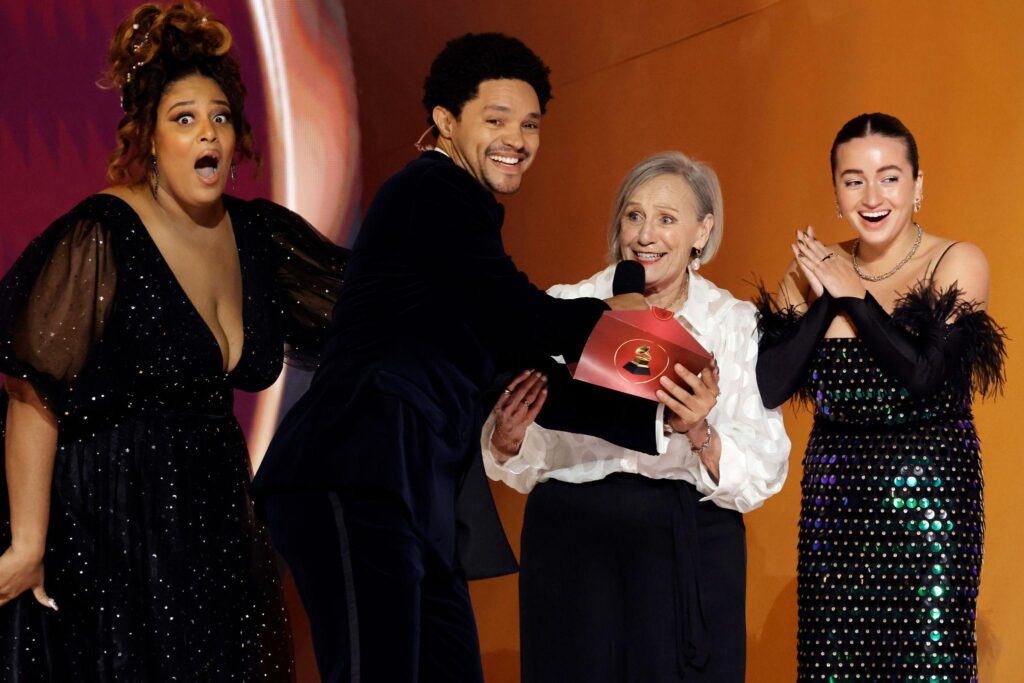
For political figures like Trump, even indirect references can reignite controversy. Supporters argue that repeating Epstein-related jokes without evidence fuels misinformation, while critics believe public figures must answer lingering questions about elite accountability. The lack of definitive legal closure keeps the issue alive in public discourse.
Free Speech Versus Defamation Debate
The incident has reignited debate over where free speech ends and defamation begins. Comedians often rely on satire and exaggeration, especially during live events. However, legal experts note that defamation claims depend on whether a statement is presented as fact and whether it causes demonstrable harm.
In this case, the challenge would be proving that the joke was interpreted by viewers as a factual claim rather than comedy. Courts historically offer strong protection for speech made in entertainment contexts, but the high-profile nature of the Grammys and the sensitivity of Epstein allegations complicate the legal landscape.
Political and Media Impact Moving Forward
The controversy highlights how entertainment platforms have become powerful political arenas. A single joke during a televised event can spark legal threats, dominate headlines, and influence public opinion within hours. Media organizations are now facing renewed scrutiny over how political humor is framed and broadcast.
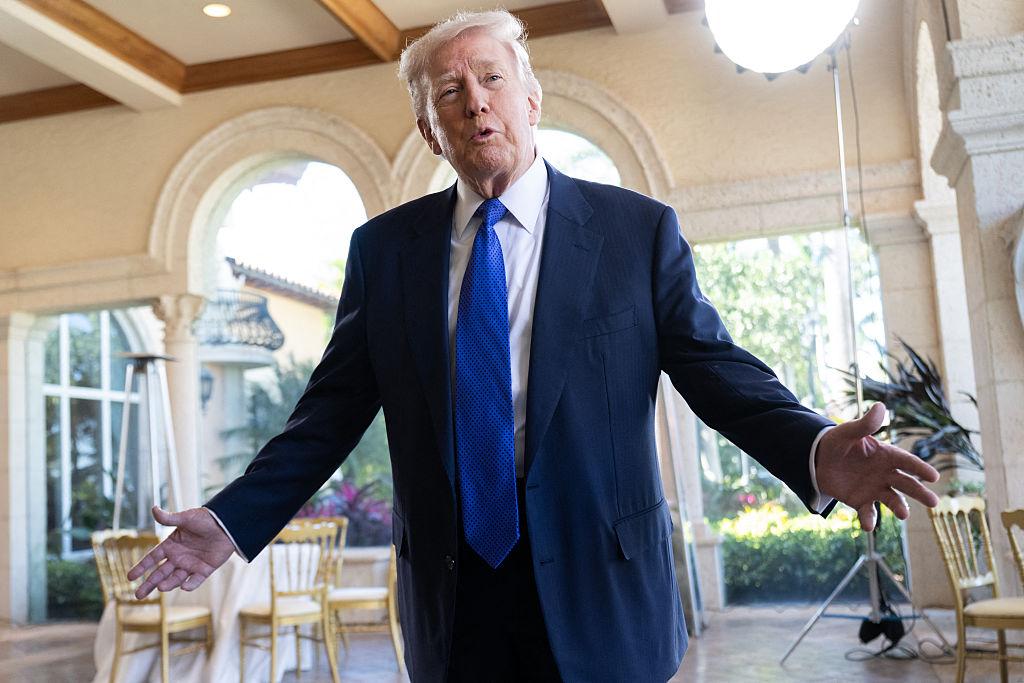
For Trump, the episode reinforces his image as a figure willing to confront critics directly. For Noah, it underscores the risks comedians face when addressing unresolved scandals involving powerful individuals. The broader impact may lead broadcasters to apply more caution when political jokes touch on sensitive legal histories.
Why This Matters Now for the U.S. Audience
This moment matters because it reflects deeper tensions in American society around truth, accountability, and speech. As election cycles approach and political divisions intensify, references to scandals like Epstein’s carry amplified consequences. What might once have been dismissed as a joke now becomes a national legal and political issue.
The incident also shows how quickly narratives spread and harden in the digital age. Whether or not a lawsuit follows, the exchange has already shaped public conversation, reinforcing the need for responsible commentary and informed audiences. It is a reminder that words spoken on major stages can have a lasting impact far beyond the applause.
Subscribe to trusted news sites like USnewsSphere.com for continuous updates.