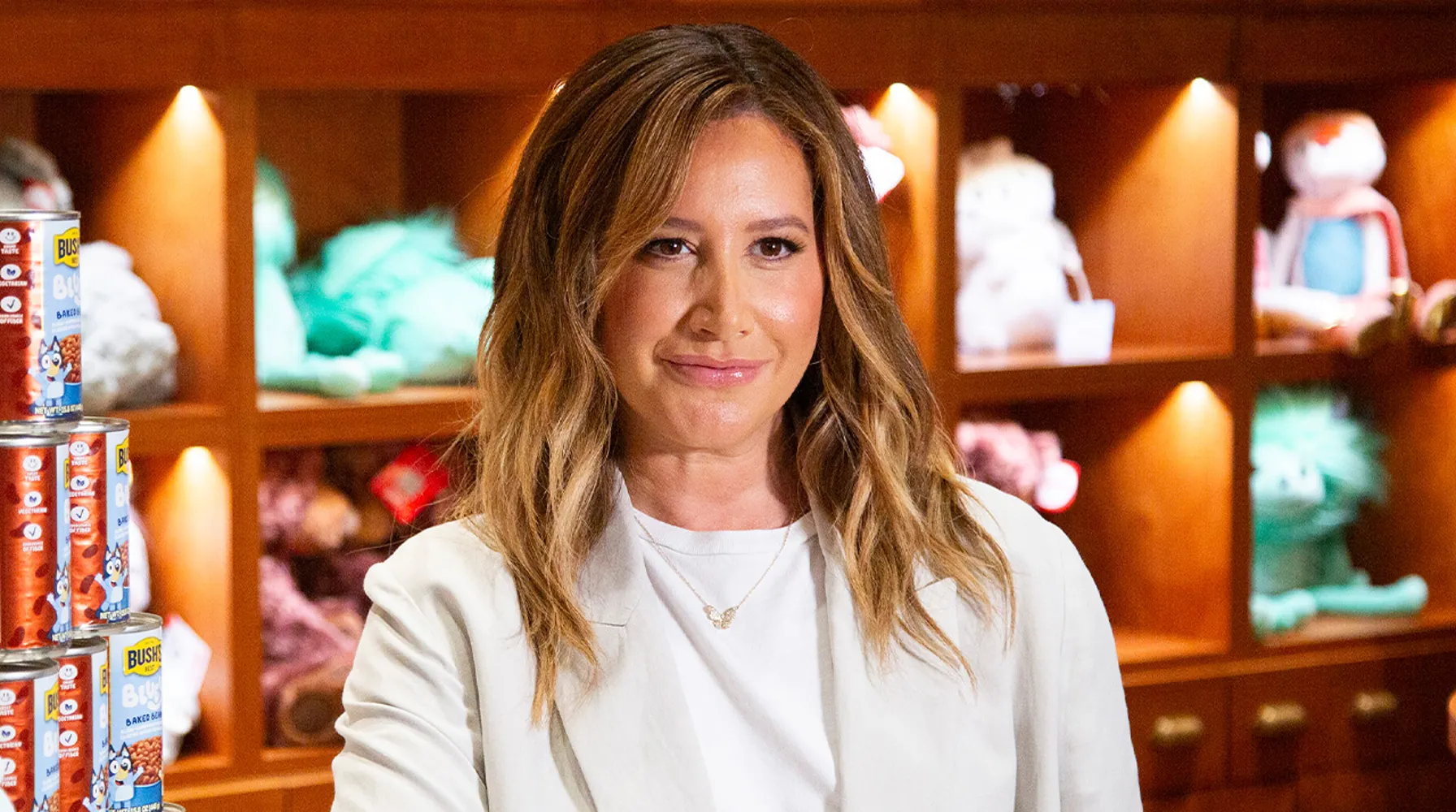
When Ashley Tisdale speaks, people listen — especially when her words touch on a topic so many parents experience but few talk about openly. In a heartfelt essay that has since gone viral across social and entertainment media platforms, the former High School Musical star explained why she chose to walk away from a mom friendship circle she once thought was her support system, calling the dynamic “toxic” and exclusionary.”
Tisdale’s story resonates far beyond Hollywood. While her celebrity status draws attention, the deeper message connects with millions of mothers who have struggled to find genuine community while navigating the challenges of raising children.
The Search for Community That Turned Sour
After the birth of her first daughter, Tisdale, 40, told readers she was eager to find other moms who could relate to the realities of early motherhood — diaper decisions, sleep struggles, and the emotional ups and downs of adjusting to life with little ones.
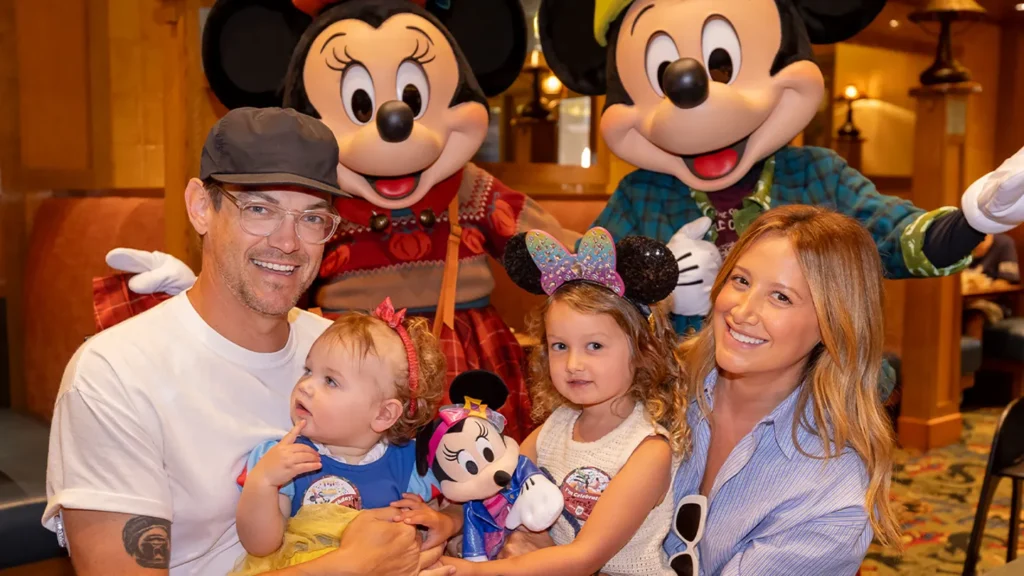
Like countless others, she turned to a local mom group formed by mutual acquaintances, hoping it would become the reassuring “village” she needed. Initially, it did feel right — a space where women could exchange parenting hacks, playdate plans, and everyday encouragement.
But over time, Tisdale noticed subtle shifts in the group dynamic that left her increasingly uncomfortable. Invitations to events started to dwindle, she found herself seated apart at dinners, and social media became a painful reminder of moments she wasn’t included in. These patterns made her feel frozen out, left behind, and questioning her place among women she once trusted.
“I was starting to feel frozen out of the group, noticing every way that they seemed to exclude me,” she wrote, describing feelings that echoed painful memories of high school cliques.
From Support System to Social Stress
This isn’t just about celebrity drama — it reflects a universal challenge many adults face when trying to build deep social bonds while balancing identity, self-worth, and the emotional labor of friendship. For Tisdale, what began as a hopeful way to connect quickly became stressful and emotionally draining.

Repeatedly missing invites — even for events centered around her own daughter’s birthday — made her wonder if she was “not cool enough” or doing something wrong. In her essay, she openly acknowledges how painful that realization was, further intensifying the feeling of isolation.
Eventually, she confronted the issue directly with the group, texting: “This is too high school for me and I don’t want to take part in it anymore.” According to Tisdale, that honest step didn’t go smoothly. Some members tried to make amends; others brushed her off with explanations.
What stood out most to readers was not the celebrity names attached to the situation, but the universality of her experience — how painful exclusion among adults can feel just as bruising, if not more so, than the high-school dynamics many of us remember. That resonance has driven broad online engagement and sparked deeper conversations about friendship, vulnerability, and support networks in parenting communities today.
Celebrity Group Speculation and Social Media Fallout
While Tisdale didn’t publicly name specific members of the mom group, outside reporting and social media chatter have linked the circle to several well-known names. According to entertainment news sources, the group allegedly included actresses like Hilary Duff and Mandy Moore, as well as singer Meghan Trainor — all of whom have children with similar birth timelines and have been seen together at family-friendly outings in recent years.
Fans quickly noticed that Tisdale no longer follows Duff and Moore on Instagram, further fueling speculation that friendships shifted amid rising tension. Neither of those actresses has publicly commented on the situation, and any social media absence may simply reflect personal choices rather than confirmed feuds.
Despite the rumors, what’s clear is that Tisdale’s willingness to speak candidly has already prompted a broader cultural discussion about how mothers — both famous and everyday — find and maintain meaningful support in an era where social media often blurs the line between connection and comparison.
The Emotional Toll of Exclusion — Even as an Adult
What makes this story powerful isn’t only that it involves recognizable stars, but that Tisdale’s reflections mirror deep emotional truths many people have felt at one time or another: feeling invisible, excluded, or unsure if you belong.
In her essay, Tisdale compared the pain of exclusion to “being back in high school again,” a metaphor that resonates widely because of how vividly such early social experiences can stay with us.
Her decision to name the behavior, rather than quietly walk away, has given voice to an experience many women have felt but seldom articulate publicly — the silent heartbreak of being left out by people once trusted and celebrated.
Her candid approach has been praised by many who saw themselves in her story, with countless women sharing their own experiences of feeling marginalized in groups that were supposed to uplift them.
Why Tisdale’s Message Matters Beyond Hollywood
Ashley Tisdale’s essay has become more than just a piece of celebrity news — it has sparked a wider cultural conversation about friendship, motherhood, and emotional well-being in the modern era. It highlights how even well-meaning social circles can become unhealthy when there’s emotional exclusion, unspoken hierarchies, or passive-aggressive behavior involved.
Her words are especially significant because they break from the stereotype of a polished celebrity image, showing that vulnerability and tough emotional choices are part of life for everyone, famous or not.
This aspect of her narrative is exactly why articles covering her thoughts have spread beyond entertainment pages into mainstream social and parenting discussions. It’s why this story has a chance to dominate search trends, be shared widely, and connect deeply with audiences who see themselves in her experience.
What This Means for Moms, Parents, and Community Leaders
At its heart, this story isn’t just about friendship or celebrity dynamics; it’s about what real support looks like during one of life’s most demanding seasons — parenthood.
Parents often turn to groups, forums, and communities looking for validation, camaraderie, and shared wisdom. But as Tisdale’s experience illustrates, not all groups provide genuine emotional support — and in some cases, social pressures can make people feel more alone than before.
Her message encourages readers to re-evaluate their own social circles, prioritize connections that feel safe and positive, and speak up when dynamics become unhealthy. It’s a reminder that it’s okay — and sometimes necessary — to walk away from environments that drain joy instead of fostering empowerment. People.com
Conclusion: What We Can Learn from Ashley Tisdale’s Honest Reflection
Ashley Tisdale’s decision to candidly share her story about leaving a mom group that made her feel excluded has struck a powerful chord online. Her experience reflects a broader cultural moment where people are rethinking how communities should function — whether they’re in playgrounds, workplaces, or digital social spaces.
Rather than being just another celebrity headline, Tisdale’s essay has become a conversation starter about empathy, belonging, and the emotional realities of adult friendships. Her story challenges readers to think deeply about the communities they choose and to value spaces that uplift rather than alienate.
Subscribe to trusted news sites like USnewsSphere.com for continuous updates.