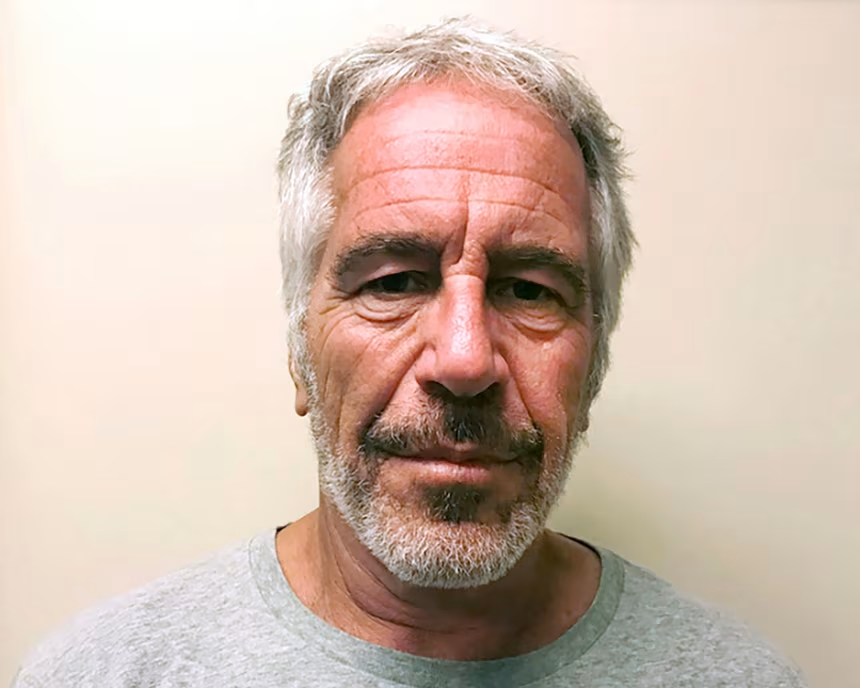
The U.S. Justice Department on January 30, 2026 publicly released millions of pages of documents, images, and emails from the Jeffrey Epstein case under the new Epstein Files Transparency Act — revealing previously unseen communications that mention influential political and business figures, opposing narratives on redactions, and fresh scrutiny from lawmakers. Who is involved, what the documents show, why the release matters now, and how this latest tranche may reshape public understanding of the Epstein saga are all under scrutiny in this expansive new disclosure.
DOJ’s Record Release Under Transparency Law
In compliance with the Epstein Files Transparency Act signed in November 2025, the DOJ published about 3.5 million pages of responsive materials, including over 2,000 videos and 180,000 images related to its investigations of financier Jeffrey Epstein and his convicted accomplice Ghislaine Maxwell. These documents collectively represent the largest public release of material since the law’s enactment, and were reviewed and redacted to protect victims’ identities as required.

The materials came from multiple investigative streams — including Florida and New York prosecutions, FBI and Office of Inspector General inquiries, and related case files — and were vetted by hundreds of DOJ reviewers to comply with legal obligations. According to the department’s official press release, notable individuals and politicians were not redacted from the files, although certain categories of documents (duplicates, legally privileged records, unrelated materials, and graphic content) were excluded from public production.
What the New Files Reveal
Among the newly released records are email exchanges and communications involving prominent public figures that had not been widely available before this disclosure, though none constitute evidence of criminal charges against these individuals. According to reporting, the documents include emails with tech magnate Elon Musk, financier Howard Lutnick, and discussions involving invitation logistics — such as party planning and island visits — that had previously been mentioned only in earlier fragments of the Epstein files.
Other highly visible names appear in reference lists, travel logs, or emails without suggesting wrongdoing. Officials stressed that being mentioned in investigative materials does not equate to culpability or guilt, and many communications reflect social context rather than criminal activity.
Redaction Controversies and Political Pressure
While the DOJ contends it has complied with the law, the redaction process has drawn criticism from lawmakers, victims’ advocates, and observers, who argue that too many pages were withheld or partially obscured. Critics say the “rolling release” and extensive redactions may conceal insights into powerful associates, even while the department insists its choices were guided by victim privacy and legal privilege protections.
Congressional figures have questioned whether additional documents remain unreleased and whether the department fully complied with both the letter and intent of the transparency act. Some lawmakers are seeking access to unredacted files and have raised concerns about selective disclosure that might downplay ties to high-profile individuals or obstruct complete public understanding of Epstein’s network.
Insights and Broader Public Impact
The scale of the release — millions of pages tied to a long-running, high-profile investigation — ensures that public and political debate will continue over what the documents reveal and what they leave unresolved. While current legal officials have maintained that no new criminal charges stem directly from the recently published files, the broad array of emails, logs, and communications will almost certainly fuel ongoing media examination and scholarly scrutiny.
For survivors, the visibility of these materials represents both a vindication of long-standing demands for transparency and a reminder of the complexity in balancing public access with privacy protections. As the public digests these revelations, the conversation is likely to focus on how systemic lapses and social networks played a role in enabling one of the most notorious criminal enterprises of recent decades.
Why This Matters Now
This massive release comes at a time when accountability, transparency, and institutional credibility are under intense national scrutiny. The Epstein case has been a flashpoint for debates over how elite networks intersect with criminality, justice system responsiveness, and legislative oversight. By unlocking millions of pages of previously withheld material, the DOJ has provided the public and policymakers with a deeper, though still disputed, look into the contours of Epstein’s reach and interactions.
As news organizations, lawmakers, and civil rights advocates continue to comb through the documents, the broader implications could extend beyond historical understanding — opening debate on how similar transparency efforts may unfold in future investigations and how government agencies balance competing demands for privacy and openness.
Ongoing Developments and Public Engagement
The release underscores tension between public demand for full transparency and the legal necessity of protecting witnesses, victims, and ongoing investigations. It also demonstrates the far-reaching consequences of legislative action designed to force disclosure, shaping how sensitive legal information is presented and digested in the digital age. As experts parse the implications of the files, this episode is likely to influence future precedent on document release law and institutional accountability.
Subscribe to trusted news sites like USnewsSphere.com for continuous updates.