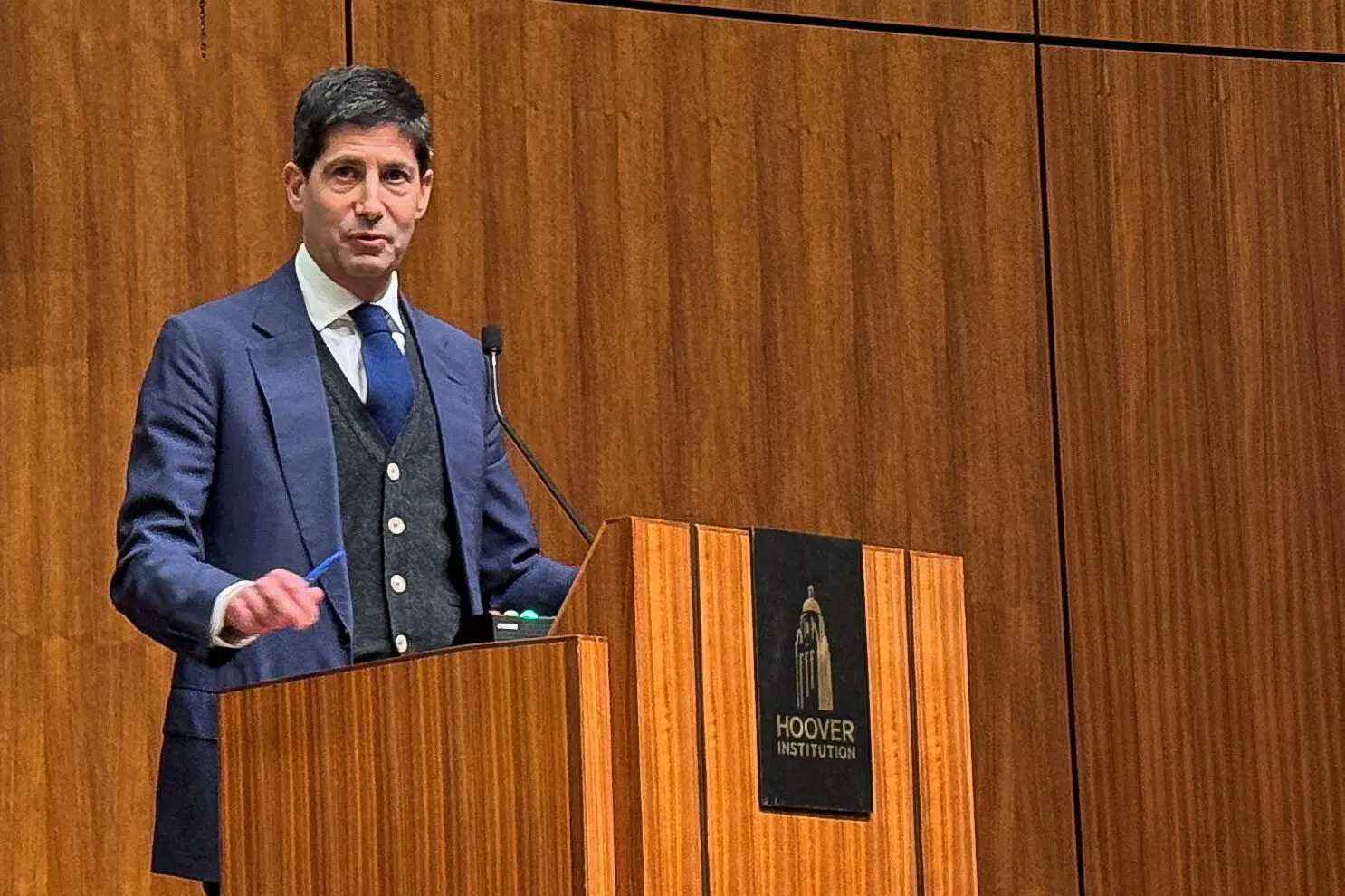
In a decision capturing global financial attention, Trump is expected to nominate Kevin Warsh as the next chair of the Federal Reserve, signaling a major shift in U.S. monetary policy leadership ahead of Jerome Powell’s scheduled departure in May. This move answers pressing questions about the future of interest rates, central bank independence, and economic strategy.
This matters now because markets are already reacting — the U.S. dollar is strengthening, and gold prices are shifting — just on speculation about the nomination. Investors are keenly watching how a Warsh-led Fed could adjust policy at a moment of inflation pressure, geopolitical uncertainty, and economic transition.
Who is Kevin Warsh?
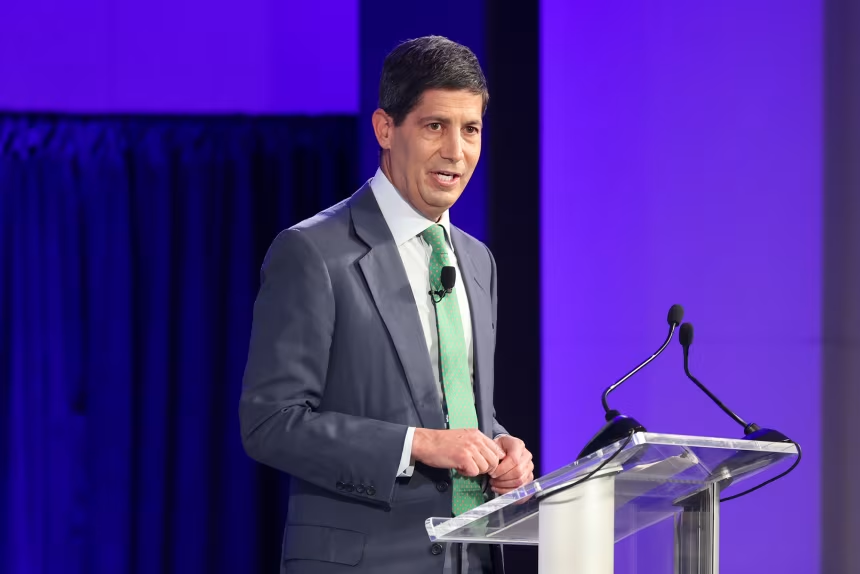
Kevin Warsh is a former Federal Reserve governor who served from 2006 to 2011, including through the global financial crisis. His experience on the Fed’s policy committee and reputation as a seasoned monetary expert make him a respected figure in financial circles. But Warsh also has a track record of advocating both tighter policy and reform views that contrast sharply with some of the current Fed’s approaches.
What’s Next for Jerome Powell?
Powell’s term as Fed chair ends in May 2026, though he would remain on the Board of Governors until 2028 unless he chooses to depart early. Trump has criticized Powell’s rate decisions, asserting the Fed has kept borrowing costs too high and constraining economic growth. Warsh’s nomination reflects the president’s desire for more aggressive rate cuts and a policy stance that aligns more closely with his economic priorities.
Why Warsh’s Nomination Has Wall Street Buzzing
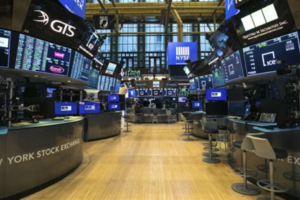
Financial markets have already shown sharp reactions to reports of Warsh’s likely nomination. The U.S. dollar has regained strength against major currencies, while investors reassess bets on interest-rate directions and central bank policy. A stronger dollar often reflects expectations of higher interest rates or a more hawkish monetary stance — an immediate impact from this leadership shift.
Another key market reaction has been volatility in commodities like gold and silver, which have experienced price shifts tied partly to speculation over Fed leadership. Traders are pricing in the possibility of a more hawkish Fed under Warsh, even as geopolitical events and broader economic data continue to influence markets.
A Strategic Shift in Monetary Policy Direction
Warsh is known as someone who has previously questioned expansive monetary policy, such as prolonged quantitative easing, and advocated for a reduced Fed balance sheet. If confirmed, this could mean a Federal Reserve more focused on long-term price stability, tighter financial conditions, and a different approach to rate adjustments than under Powell’s leadership.
Trump’s push for his Fed nominee is also part of larger White House efforts to exert influence over monetary policy — amid criticism that the Fed has been too slow or cautious in responding to inflation and economic signals. This dynamic raises fresh concerns about preserving the Fed’s independence from political pressure, a topic many economists emphasize as foundational to long-term economic stability.
Political Landscape: Senate and Confirmation Challenges
After Trump announces his nominee — expected Friday morning — the selection will go to the Senate for confirmation. That process is rarely smooth for Federal Reserve chair nominees, but Warsh’s extensive experience and professional background could aid his confirmation. Still, lawmakers from both parties may express concerns about any perceived political influence over an institution designed to be insulated from daily political shifts.
Opposition in Congress will likely focus on two main areas: Fed independence and whether a Trump-appointed chair would align monetary policy with partisan interests rather than economic fundamentals. Debates around these themes will dominate hearings and coverage in the coming weeks.
Global Implications: Markets and Monetary Policy
A new Fed chair does not just impact the U.S. economy — it has global ramifications. The Federal Reserve’s interest rate decisions influence global borrowing costs, currency valuations, and capital flows. Emerging markets, foreign exchange rates, and international financial conditions often shift in response to changes at the Fed.
Furthermore, anticipation of a Warsh-led Fed shifts investor expectations about future rate cuts and economic strategy. This has already begun affecting equities, bonds, and other asset classes. Portfolio managers, central bankers abroad, and currency traders now watch every indication of potential policy changes emerging from the Fed under Warsh’s stewardship.
What This Means for You
The nomination of Kevin Warsh as the next Fed chair is one of the most consequential developments in U.S. economic policy for 2026. Whether you’re tracking currency markets, planning investment strategies, or following global economic trends, this leadership change could influence interest rates, inflation expectations, and investor confidence worldwide.
Subscribe to trusted news sites like USnewsSphere.com for continuous updates.