President Donald Trump has filed a $10 billion lawsuit against the Internal Revenue Service (IRS) and the U.S. Treasury Department, claiming the federal agencies failed to protect his confidential tax returns from being leaked to the press — a move he says caused major reputational and financial harm to him, his sons, and the Trump Organization. This high-stakes legal battle, filed Thursday in a federal court in Miami, immediately ignited fresh controversy about government transparency, data security, and presidential accountability.
What the Lawsuit Alleges
In the complaint, Trump and the other plaintiffs — including Donald Trump Jr., Eric Trump, and the Trump Organization — accuse the IRS and Treasury Department of failing in their duty to safeguard confidential taxpayer information and to prevent an unlawful data breach. They claim that the disclosure of tax records between 2018 and 2020 caused “significant and irreparable harm,” including public embarrassment, damage to reputations, and adverse financial impacts.
Federal tax law is supposed to strictly protect taxpayer privacy, and Trump’s suit argues that the government’s safeguards were insufficient or improperly implemented. By seeking $10 billion in damages, the lawsuit underscores just how serious the plaintiffs view the breach.
Who Leaked the Data and Why It Matters
The tax records at the heart of this lawsuit were disclosed by Charles Edward Littlejohn, a former IRS contractor who pleaded guilty in 2023 to unlawfully accessing and leaking sensitive tax information. Littlejohn’s actions led to his sentencing to five years in prison and sparked one of the largest tax data breaches in IRS history.
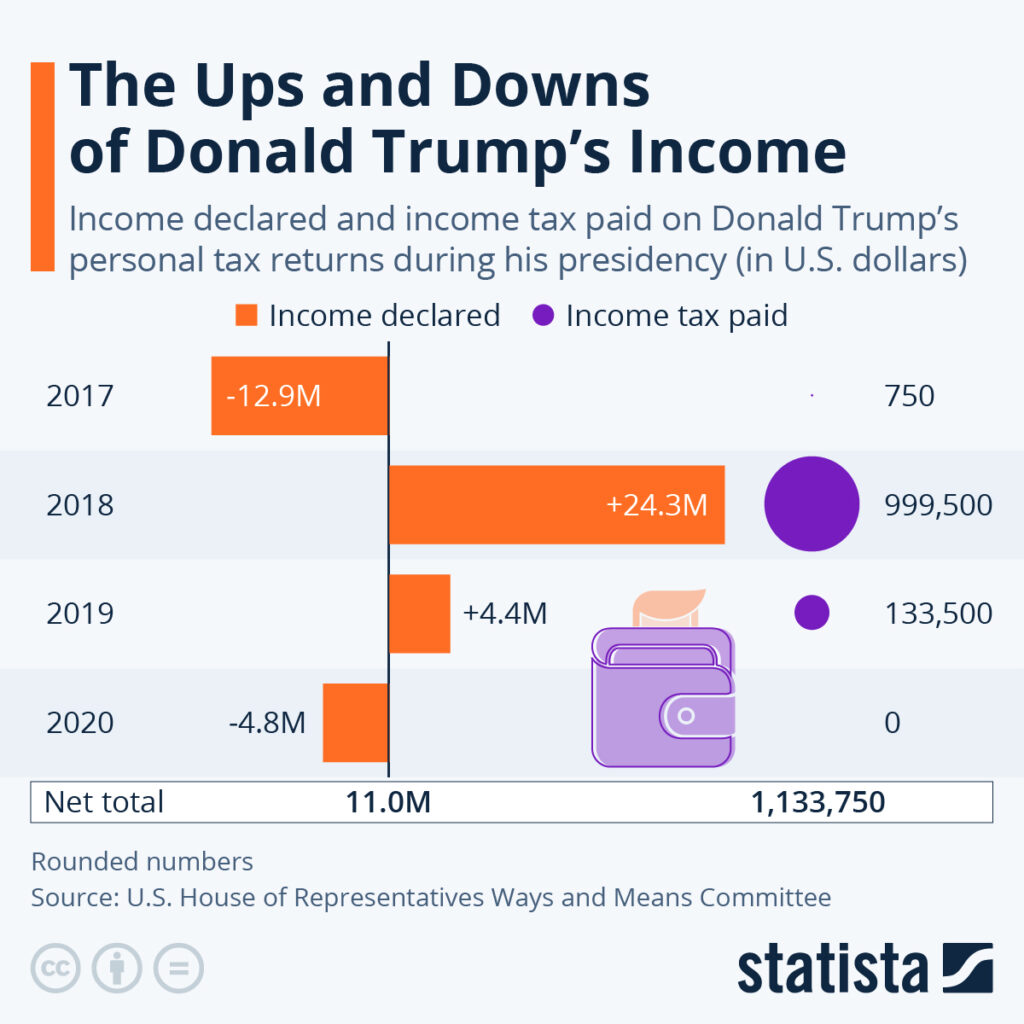
The leaked records revealed details about Trump’s tax filings — including years in which he paid little or no federal income tax — and fueled intense public scrutiny and debate. While the media outlets that published the material are not defendants in this suit, Trump’s team contends that the government’s failure to stop the leak violated federal privacy laws and inflicted lasting harm.
Why This Lawsuit Is Unusual and Controversial
It is extraordinarily rare for a sitting U.S. president — or even a former one — to sue federal agencies that are part of the administration they lead. Trump’s decision to sue both the IRS and the Treasury underscores the intensity of his accusations and reflects ongoing tension between the executive branch and its own internal agencies.
The case raises complex issues about presidential authority, data security responsibilities, and how agencies safeguard citizen information. The lawsuit states that either gross negligence or willful misconduct allowed the leak to happen, and the plaintiffs may seek punitive damages if the court agrees that the government’s actions were particularly egregious.
Impact on Government Policy and Public Trust
Beyond the immediate legal fight, the case has already influenced policy. In late January 2026, the Treasury Department — citing its failure to protect taxpayer data — announced that it was canceling all contracts with Booz Allen Hamilton, the firm where Littlejohn was employed when he stole and leaked the tax information. This decision affects millions in government spending and highlights ongoing concerns about contractor oversight and cybersecurity.
Experts say the broader takeaway from this lawsuit is that it could reshape how federal agencies handle sensitive information — and it could set a precedent for accountability when data protection systems fail. Many Americans are watching closely, as the outcome could have implications far beyond this single case.
Political and Social Repercussions
The lawsuit also lands at a politically heated moment, with Trump already facing a series of other high-profile legal battles and controversies. Supporters of the lawsuit argue it holds government agencies to account and defends individual privacy rights. Critics, however, frame it as politically motivated and a distraction from other pressing national issues.
Some lawmakers have seized on the case to call for deeper reforms in government data security and contractor oversight, while others see the generous damages sought as unrealistic or symbolic. Regardless of the outcome, this legal challenge has thrust issues of data privacy, government responsibility, and presidential power into the spotlight.
What Happens Next
The lawsuit is now in the early stages, and legal proceedings could stretch for many months — or even years — before a resolution. Attorneys for both sides will likely argue over liability, evidence, and the interpretation of federal confidentiality laws. For many Americans, the case is not just a legal matter but a national conversation about trust in government institutions.
As developments unfold, this legal battle will continue to draw media attention and may have implications for future policies on taxpayer data security and federal transparency.
Subscribe to trusted news sites like USnewsSphere.com for continuous updates.