Don Lemon, long known for his national news reporting, was detained while covering the Grammy Awards. Federal prosecutors allege he was involved in conduct beyond journalism at a protest that entered City Church and interrupted worship. Lemon and his lawyers fiercely deny wrongdoing, claiming full protection under the First Amendment. This unprecedented arrest has raised serious questions about the boundaries between reporting and participation — especially in politically charged demonstrations.
What Happened at the Minnesota Church
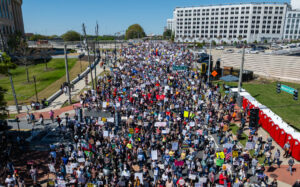
On January 18, hundreds of protesters gathered outside Cities Church in St. Paul. The demonstration was aimed at a pastor alleged to be serving in a leadership role with U.S. Immigration and Customs Enforcement (ICE), part of a larger wave of protests across Minnesota over federal immigration enforcement actions and fatal encounters involving ICE agents.
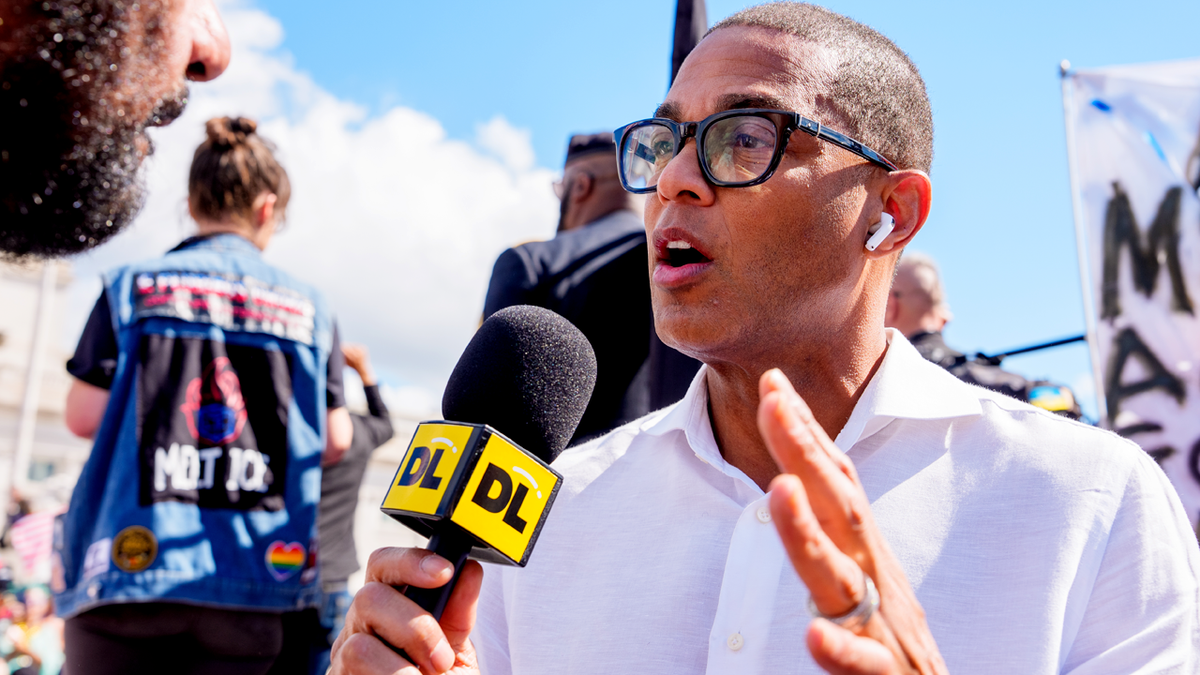
The protest escalated when individuals entered the church during a worship service, chanting slogans such as “ICE out” and “Justice for Renee Good,” referring to a Minnesota woman who was shot during a separate ICE operation. Don Lemon was present, filming and interviewing participants, parishioners, and clergy as the service was disrupted.
Lemon’s overall presence at the event — including moments inside the church — is now at the center of legal scrutiny, even as media and civil liberties groups defend his role as a journalist documenting the unfolding situation.
Legal Allegations and Federal Charges
Federal prosecutors are pursuing charges that could include violations of the Freedom of Access to Clinic Entrances (FACE) Act and conspiracy laws — statutes meant to protect access to places of worship and prevent interference with religious services. A federal magistrate judge initially refused to approve charges against Lemon due to insufficient evidence, but renewed legal action by the Justice Department led to a grand jury indictment and arrest.
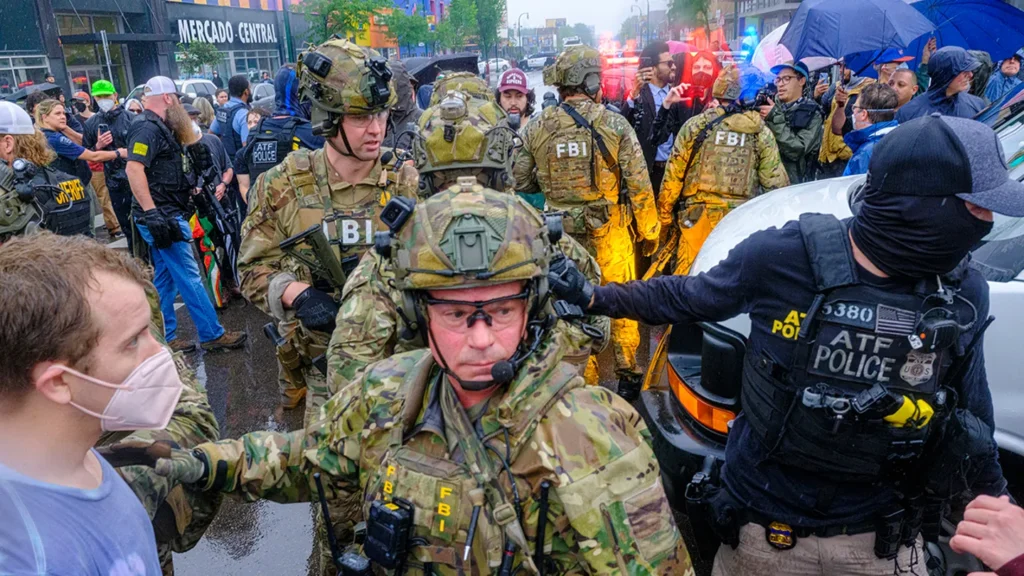
Attorney General Pam Bondi publicly supported the legal effort, calling the protest a “coordinated attack” on a church service and emphasizing the importance of upholding law and order.
Lemon’s attorney, Abbe Lowell, has stated that the former anchor’s actions were constitutionally protected journalistic work and that he will fight the charges vigorously in court, underscoring the foundational role of press freedom in a democratic society.
Why This Matters Now
This case matters because it tests the limits of the First Amendment in the context of live, on-ground reporting during politically charged protests. Lemon’s supporters argue that prosecuting a journalist for capturing and reporting events sets a dangerous precedent that could chill free press activity nationwide.
At the same time, critics say that police and prosecutors are justified in enforcing laws that protect religious gatherings and public order. The DOJ’s decision to pursue charges — even after a judge initially declined to sign off — signals a hard line on disruption of places of worship.
The case also highlights broader tensions over immigration policy and enforcement in the U.S., where protests over ICE actions have intensified and turned deeply polarizing. Communities nationwide are watching closely as the legal battles unfold.
Don Lemon’s Background and Response
Don Lemon rose to national prominence as a commentator and anchor at CNN before leaving the network in 2023. Since then, he has been producing independent reporting and commentary across platforms.
In statements after his arrest, Lemon maintained he was reporting, not participating in the protest, and asserted that his recording and interviewing actions were purely journalistic. His legal team insists that his role was protected by the First Amendment and that these charges represent an unprecedented intrusion into press freedoms.
Broader Reactions and National Debate
News of Lemon’s arrest has drawn sharp reactions from across the political spectrum and media communities. Some advocates warn that the case could discourage journalists from reporting on volatile events, weakening public understanding of important civic disputes.
Others argue that media figures should not be immune from investigation if their actions are seen as supporting or enabling illegal activity. This tension reflects ongoing national debates over protest rights, immigration policy, and the responsibilities of journalists in reporting from the front lines.
Subscribe to trusted news sites like USnewsSphere.com for continuous updates.