Google Warns Quantum Computers Could Break Today’s Encryption Sooner Than Expected
Google’s approach to post-quantum cryptography is now becoming one of the most critical security discussions in tech — as quantum computers edge closer to breaking today’s encryption systems. Leading technology developers are warning that classical encryption standards such as RSA and ECC (elliptic curve cryptography), which secure everything from email to banking, could become obsolete once quantum machines reach sufficient power. Google is stepping up, both to defend its own infrastructure and to call on governments and organizations globally to prepare for this quantum era before it arrives.
In the first months of 2026, Google executives outlined a policy and technology roadmap that goes beyond experimentation — urging broader adoption of post-quantum cryptography (PQC) to shield sensitive data now from future threats. Their message is clear: the time to prepare is not when quantum computers arrive, but before attackers can exploit them.
What Is Post-Quantum Cryptography and Why It Matters Now
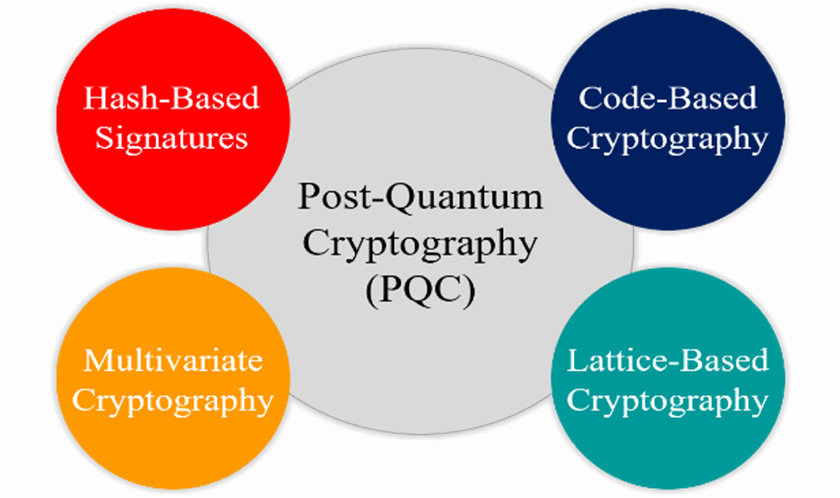
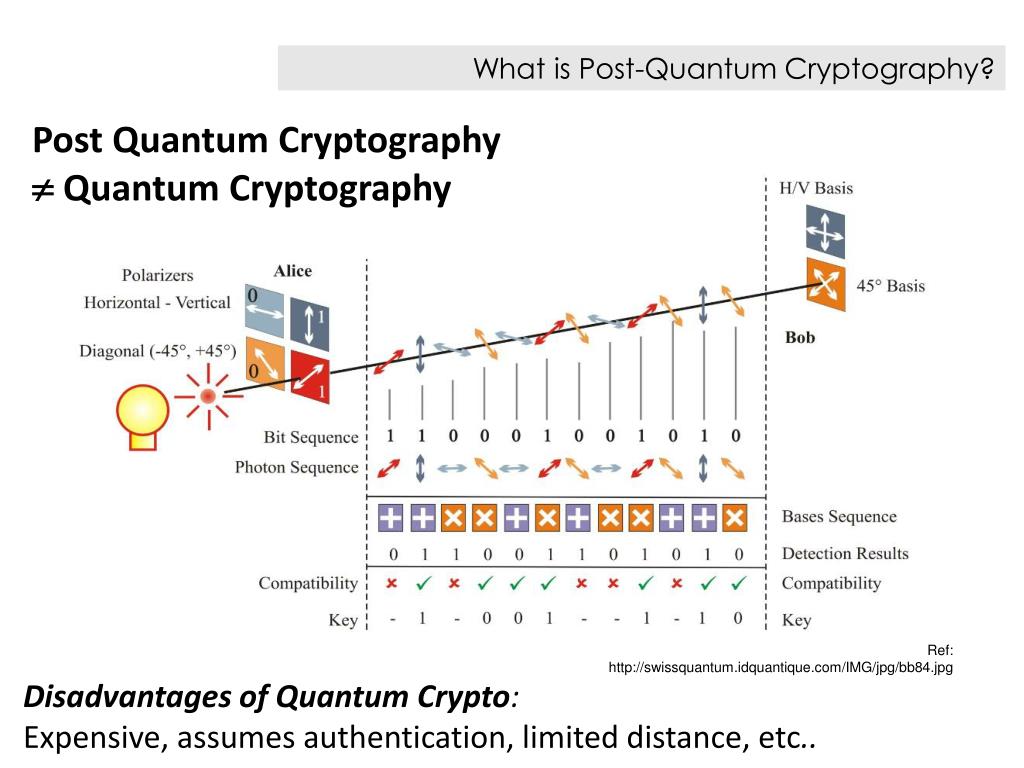
Post-quantum cryptography refers to encryption algorithms that are built to withstand attacks from quantum computers, which operate fundamentally differently from classical systems. Traditional encryption relies on mathematical problems that are tough for today’s computers but would be easily solvable by a fully functional quantum computer using algorithms like Shor’s algorithm. This means that data encrypted today could be harvested by bad actors and decrypted later once quantum hardware becomes capable — a tactic known as “Harvest Now, Decrypt Later.”
Google’s pathway to PQC began more than a decade ago, with early experimentation embedded into Chrome as far back as 2016. Today, Google has integrated PQC technologies across internal communications and cloud services, aligning with global encryption standards developed by the U.S. National Institute of Standards and Technology (NIST). These standards provide a baseline for both government compliance and industry readiness.
Google’s Patent-Forward Transition and Hybrid Security Strategies
A cornerstone of Google’s strategy is a hybrid cryptography approach — combining classic encryption with quantum-resistant algorithms. Rather than immediately depreciating existing cryptographic tools, Google’s engineers enhance them with quantum-secure elements. This layered protection ensures backward compatibility, reduces risks during transition, and prepares systems for a future where quantum computing is mainstream.
This hybrid model plays out in several real-world applications:
- Chrome Browser Enhancements: Google rolled out hybrid key exchange protocols (e.g., standardized ML-KEM) to secure web connections, first introduced experimentally and now going into mainstream use.
- Google Cloud Encryption: Google Cloud’s Key Management Service (KMS) now supports quantum-safe digital signatures and post-quantum key encapsulation, enabling enterprises to test and deploy PQC tools.
- Internal Network Security: Google has deployed PQC protections to secure internal traffic and server communications, preparing its own infrastructure against emerging threats.
Combining classical and quantum-resistant cryptography helps ensure that if one algorithm were ever broken, the other still protects the data — a prudent safety move during the long transition period ahead.

Why This Matters Now: The Global Security Impact
This shift isn’t just a niche interest for cryptographers. Governments, banking systems, cloud providers, and critical infrastructure operators all rely on cryptographic protections. Research suggests that few organizations currently have a full strategy for post-quantum migration, leaving a security gap that could be exploited once quantum hardware matures.
Google’s public call to action includes urging policymakers and industry leaders to cooperate on global standards, modernize cloud infrastructure, and engage with quantum experts today. The intention is to create broad, coordinated readiness rather than isolated defenses.
This is especially urgent because once powerful quantum computers exist, encrypted data that was stolen years earlier could be decrypted instantly — even if that data was protected under the best current standards at the time of collection.
Challenges and the Road Ahead
Implementing post-quantum cryptography is not without challenges. PQC algorithms tend to require larger keys and more computational overhead, which means that developers must rethink memory, bandwidth, and protocol design to maintain performance. In addition, the technology landscape is still adapting to the new NIST standards, and many businesses are yet to finalize migration plans.
Despite these challenges, experts argue that delayed action could be costlier. Security teams must inventory existing cryptographic assets, create migration roadmaps, and begin pilot projects to test hybrid PQC integration before it becomes urgent.
What This Means for You, Your Data, and the Future
For individuals and organizations around the world, understanding post-quantum cryptography is now crucial. With quantum computing research accelerating — evidenced by breakthroughs demonstrating quantum advantage — the era when encryption will need to resist quantum attacks is rapidly approaching.
By embracing Google’s proactive approach, digital defenders can stay ahead of risks, protect long-lived data, and future-proof systems against an era of unprecedented computational power.
Subscribe to trusted news sites like USnewsSphere.com for continuous updates.