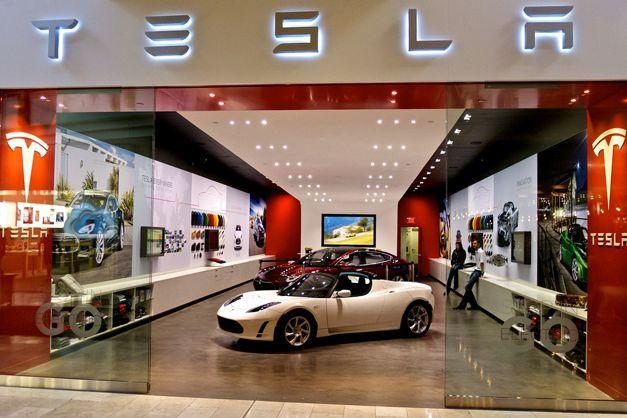
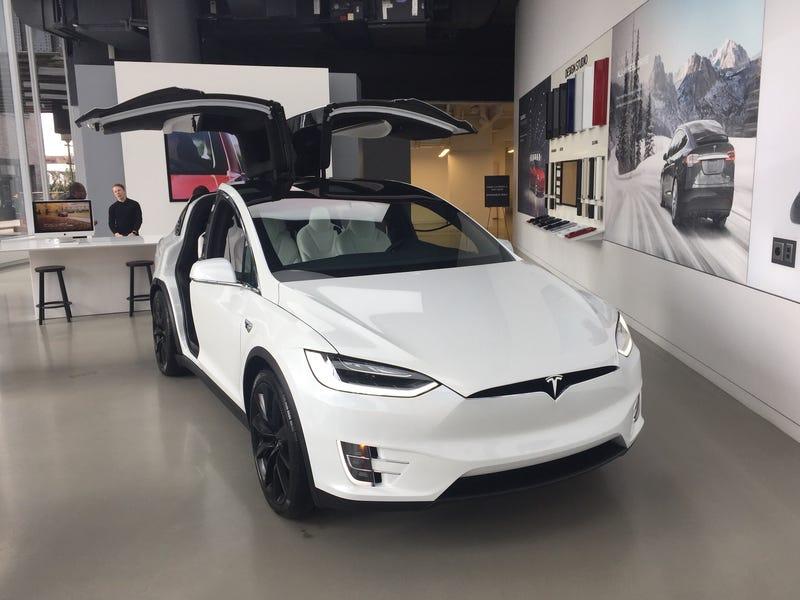
Tesla’s Direct Sales Model Is Disrupting the Auto Industry — Why Dealerships Are Panicking, and it’s not just hype. The shift led by Tesla, Inc. is fundamentally changing how cars are sold, who controls pricing, and how customers interact with automakers. Instead of relying on third-party dealerships, Tesla sells directly to consumers through its website and company-owned stores. This removes middlemen, reduces price manipulation, and gives the company full control over branding and customer experience.
Why this matters now: As EV adoption grows rapidly in the U.S., traditional automakers face pressure to adapt. Dealerships—long a core part of the automotive ecosystem—are losing influence, revenue streams, and negotiating power. The impact is already visible across states where legal battles over direct sales are intensifying, signaling a major transformation in the industry’s future.
How Tesla Eliminates the Traditional Dealership Middleman
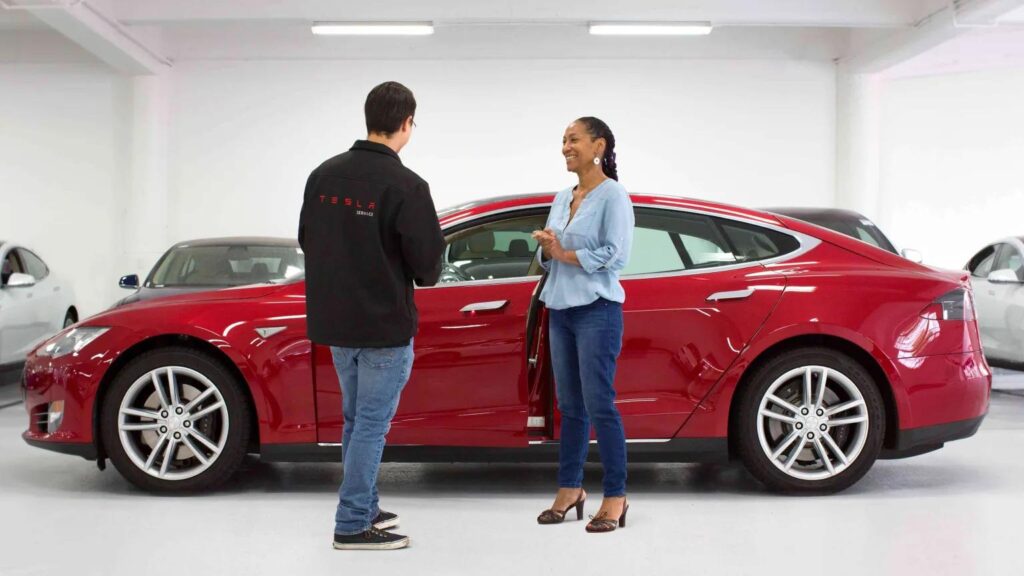
Tesla’s approach is simple but powerful: cut out independent dealerships entirely. Customers browse inventory online, customize their vehicle, and complete the purchase digitally. Pricing is fixed, transparent, and consistent across locations—removing the need for negotiation.
This model contrasts sharply with legacy automakers like Ford Motor Company and General Motors, which rely heavily on franchise dealerships. These dealerships often mark up prices, add hidden fees, and create inconsistent buying experiences. Tesla avoids all of that, which appeals strongly to modern consumers who prefer convenience and transparency. Data suggests that over 80% of Tesla buyers complete significant portions of their purchase online, highlighting a shift toward digital-first car buying behavior.
Why Dealerships Feel Threatened by Tesla’s Strategy
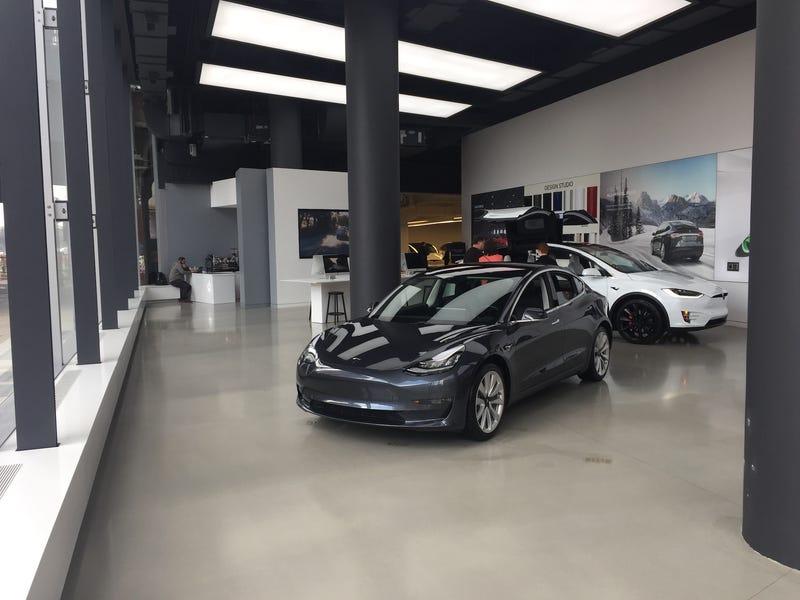
Dealerships are not just sales points—they are independent businesses with significant investments in inventory, staffing, and real estate. Tesla’s model directly undermines their role by proving that automakers can sell cars without them.
This creates panic for several reasons. First, dealerships lose commission-based income and service upsells. Second, Tesla vehicles require less maintenance than traditional gasoline cars, reducing service revenue—a major profit center for dealerships. Third, fixed pricing eliminates the negotiation advantage that dealerships rely on. According to industry estimates, dealerships can earn up to 25% of their revenue from service alone, a stream Tesla largely bypasses through software updates and simplified EV maintenance.
Legal Battles and State-Level Restrictions in the U.S.
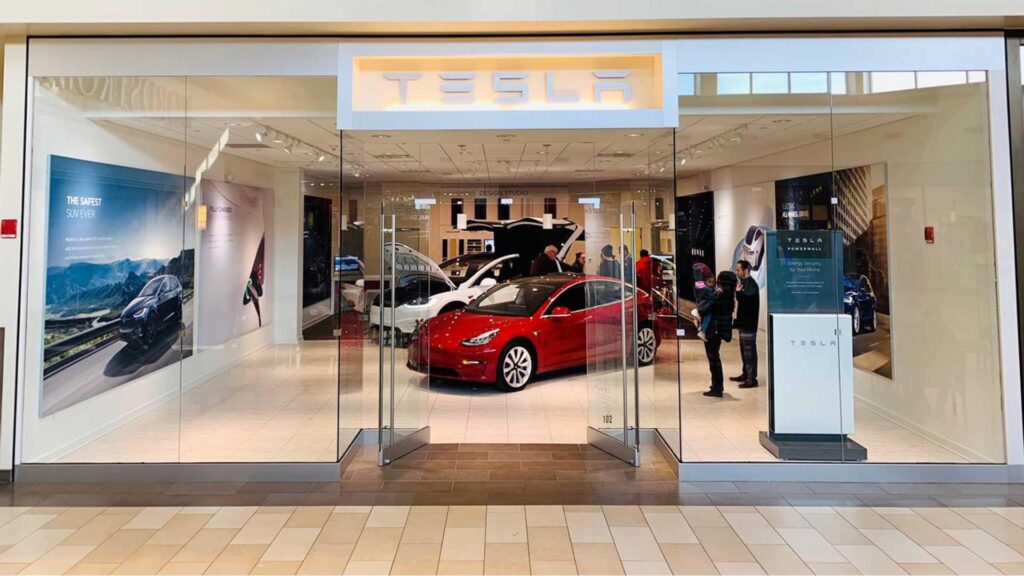
The rise of Tesla’s direct sales model has triggered legal conflicts across multiple U.S. states. Franchise laws, originally designed to protect dealerships from unfair manufacturer practices, now act as barriers to direct sales.
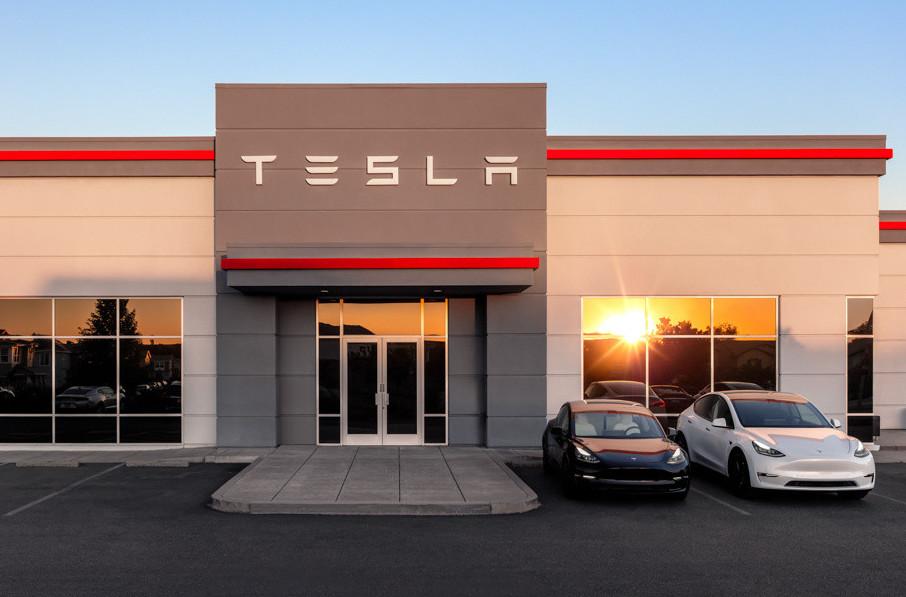
States like Texas and Michigan have historically restricted Tesla’s ability to sell directly, forcing customers to purchase vehicles online or from out-of-state locations. Meanwhile, states like California and Florida have embraced the model. These inconsistencies create a fragmented market, but momentum is shifting. As consumer demand for EVs grows—projected to exceed 40% of U.S. vehicle sales by 2030—pressure is mounting to modernize these laws.
Impact on Consumers: Lower Prices and Better Experience
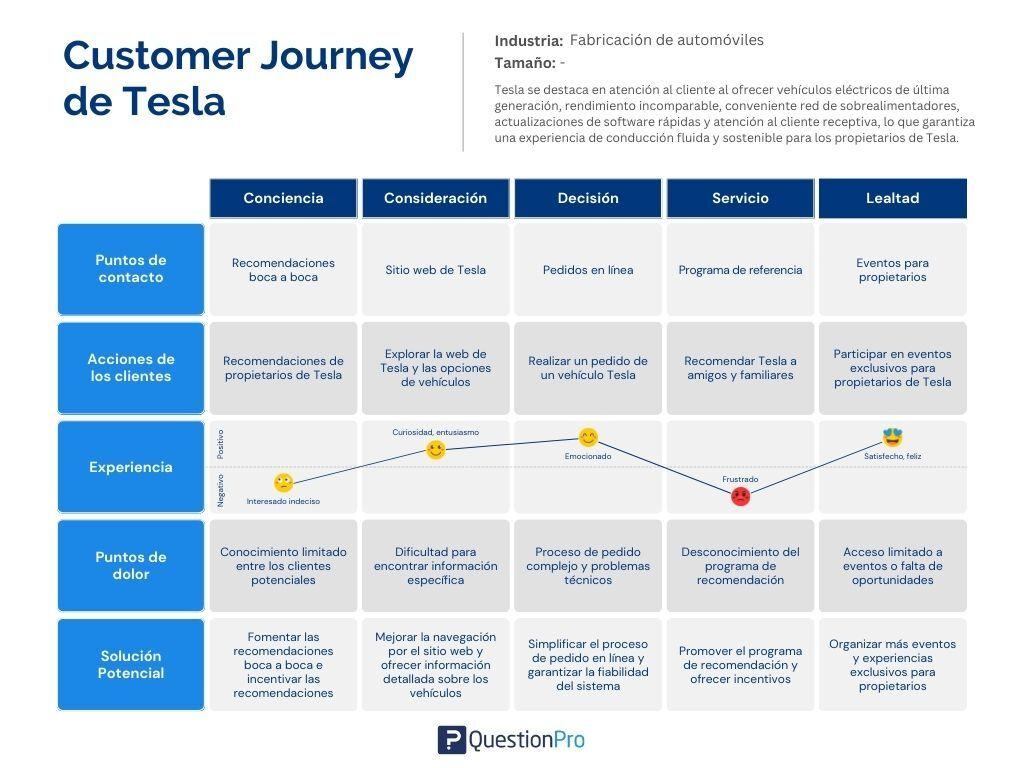
For consumers, Tesla’s model delivers clear benefits. Fixed pricing removes stress from the buying process, while online ordering saves time. There’s no haggling, no hidden dealer fees, and no pressure tactics—just a streamlined experience.

Financially, this can translate into savings. Traditional dealership markups can add thousands of dollars to a vehicle’s price, especially during high-demand periods. Tesla avoids this entirely. Additionally, software-driven updates and over-the-air improvements mean customers continue to receive value after purchase, something traditional automakers are only beginning to adopt.
How Legacy Automakers Are Responding to the Disruption
Recognizing the shift, traditional automakers are adapting. Companies like Ford Motor Company have announced plans to move toward fixed pricing for EVs, while General Motors is experimenting with online sales platforms. However, their transition is complex due to existing dealership agreements.
Some automakers are attempting hybrid models—maintaining dealerships for delivery and service while moving sales online. Others are renegotiating contracts with dealers to align with a digital-first future. Still, none have fully replicated Tesla’s vertically integrated system, which remains a significant competitive advantage.
The Bigger Picture: A Permanent Shift in Auto Retail
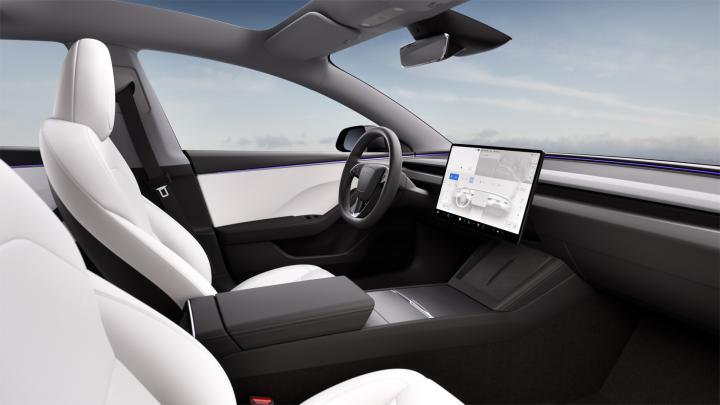
Tesla’s success signals a broader transformation in the automotive industry. The direct-to-consumer model is no longer experimental—it’s becoming the blueprint for the future. As EV adoption accelerates and digital commerce dominates, the role of dealerships will continue to shrink or evolve.
The long-term impact could be massive. Analysts predict that by 2030, a significant portion of vehicle sales globally could occur online, with fewer physical dealerships and more manufacturer-controlled experiences. This shift doesn’t just affect how cars are sold—it reshapes the entire value chain, from pricing to customer relationships.
For dealerships, adaptation is no longer optional. For consumers, the future looks faster, simpler, and more transparent. And for automakers, Tesla has set a new standard that’s forcing the entire industry to rethink its strategy.
Subscribe to trusted news sites like USnewsSphere.com for continuous updates.