Officers Who Defended the U.S. Capitol Still Suffer Five Years After the January 6 Riot
In a move that has had far-reaching effects on Washington’s justice system and national political discourse, President Donald Trump’s mass pardons of over 1,500 individuals convicted for their roles in the January 6, 2021 Capitol attack have reignited a deep, painful debate about justice, public safety, and the nation’s institutions — especially the FBI, the Bureau of Prisons and Congress.
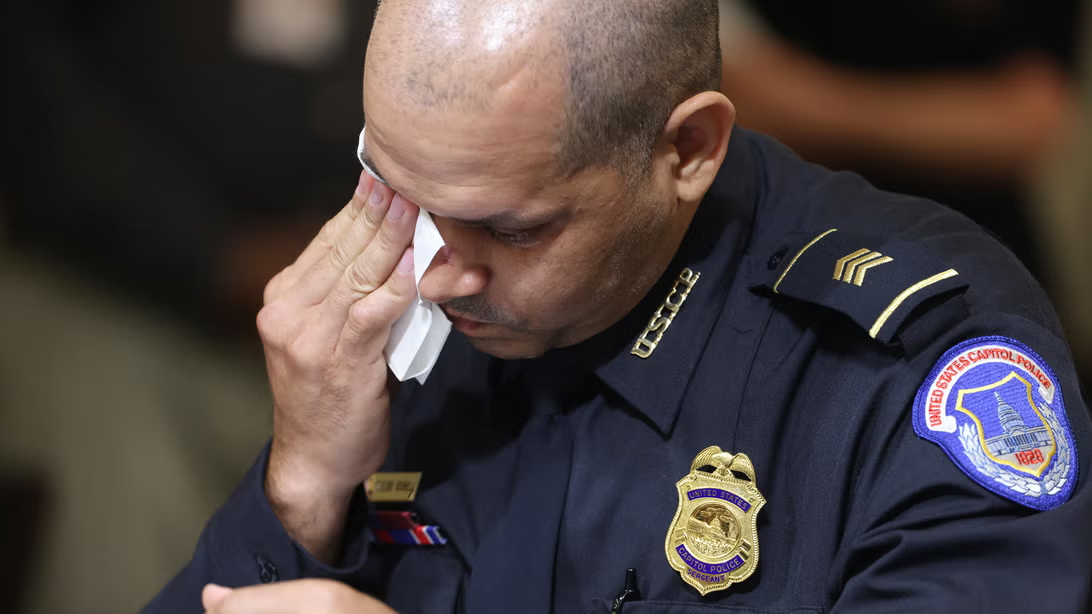
In the years since the violence at the U.S. Capitol, former and current law enforcement officers who defended the building have continued to grapple with the physical, emotional, and psychological aftermath. The pardons issued by the Trump administration following his second inauguration in 2025 — coupled with evolving narratives from political leaders and law enforcement officials — have brought their sacrifices and ongoing struggles into the spotlight.
The ramifications of these pardons are not just personal for the officers involved; they have become central to ongoing nationwide disputes over accountability, public safety, and the rule of law. As this story continues to unfold, it has drawn widespread attention across major news outlets and political forums, making it one of the most searched and discussed topics in U.S. political news today.
The Aftermath of the January 6 Attack and Trump’s Mass Pardons
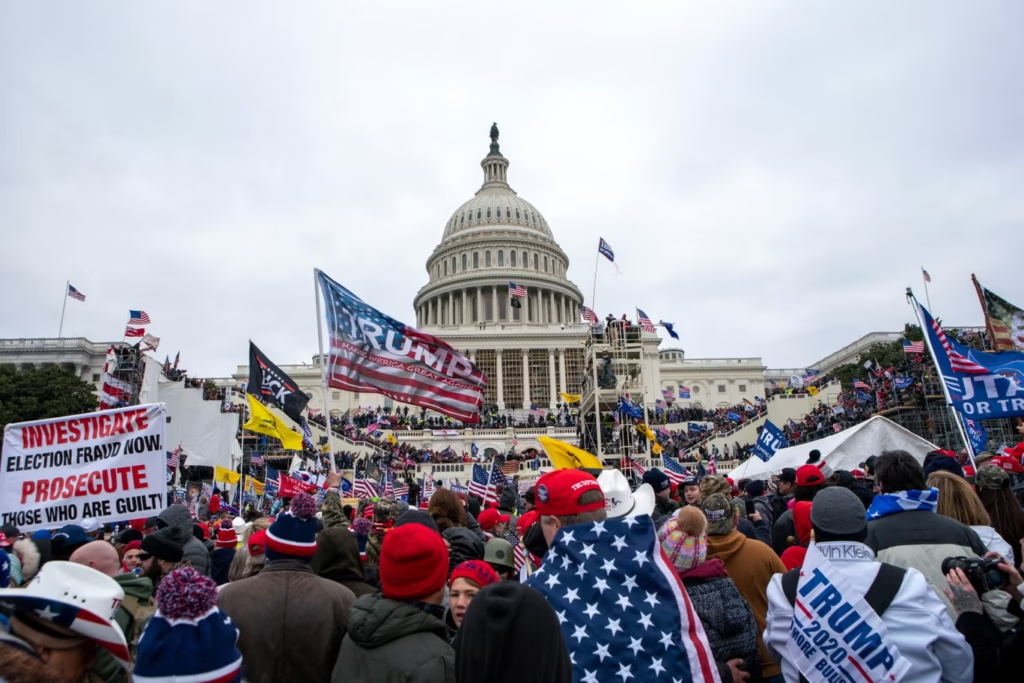
Five years after the January 6 breach of the U.S. Capitol, where supporters of Donald Trump violently stormed the seat of American democracy in an attempt to disrupt the certification of the 2020 presidential election, the physical damage has long since been repaired. However, the emotional and legal fallout continues to echo across the nation.
Many of the individuals convicted on charges related to that attack were incarcerated in federal prisons after lengthy prosecutions. Then, in a sweeping decision after his 2025 reelection, Trump pardoned more than 1,500 of these defendants — including some responsible for serious violence against law enforcement officers. Former Capitol Police Sgt. Aquilino Gonell, who was badly injured during the riot, received word that many people he helped put behind bars were suddenly being released.
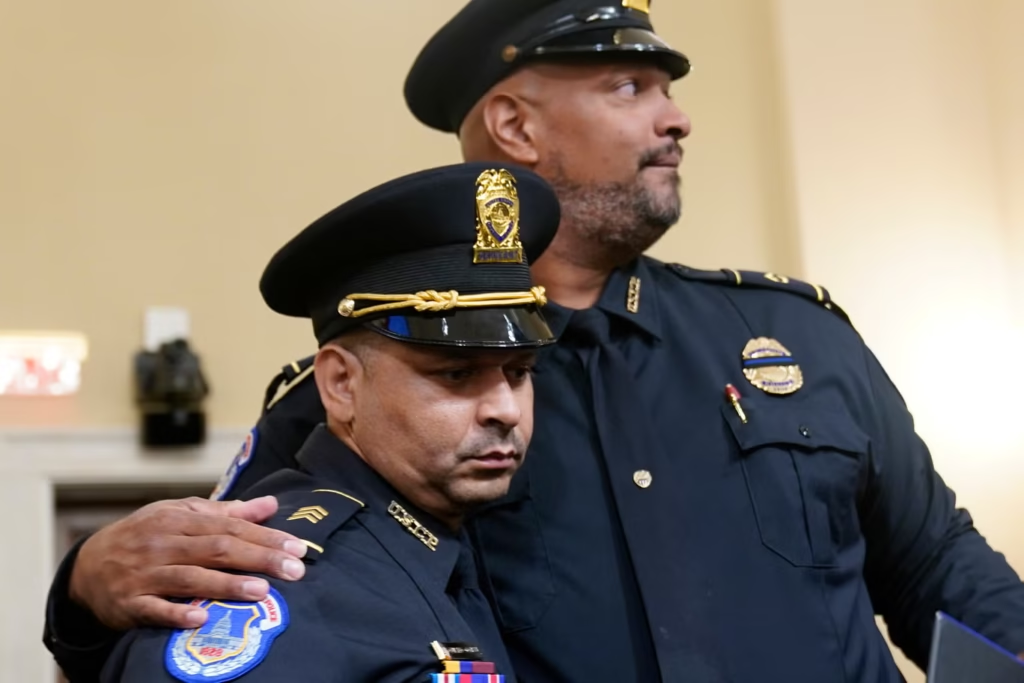
These pardons have stunned law enforcement communities and civil rights organizations alike. Hundreds have walked out of federal prisons, stirring fierce public debate over whether justice has been served or undermined. Public opinion polls show a majority of Americans opposed the blanket pardons, citing concerns about accountability and public safety.
How Pardons Have Affected Capitol Police Officers’ Lives
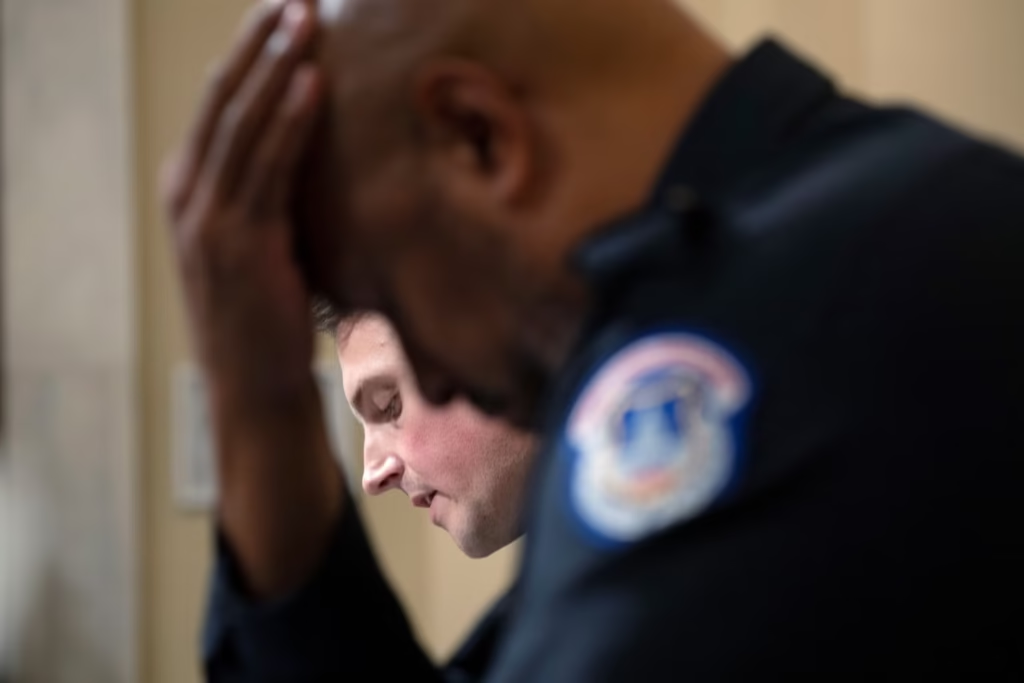
For the officers who fought back the violent rioters on January 6, the emotional toll has been profound and enduring. Many continue to struggle with post-traumatic stress, physical injuries, and the frustration of seeing individuals who hurt them walk free.
Gonell described the surreal experience of receiving calls from federal prosecutors, FBI agents, and the Bureau of Prisons informing him of the pardons, forcing him to confront the reality that those who participated in the attack — including those who injured him — were being released.
Another former Metropolitan Police Department officer, Daniel Hodges, who was repeatedly assaulted during the siege and left with lasting head trauma, voiced how difficult it has been to see the legal narrative shift around the riot. Hodges said the pardons have made it harder for him and fellow officers to find closure and healing, especially as some politicians characterize the events of that day in less serious terms.
These experiences highlight a broader trust gap between rank-and-file law enforcement personnel and Washington’s political leadership — a gap that shows no sign of closing.
The Broader Legal and Political Implications
The sweeping pardons have catalyzed intense political debate on Capitol Hill and within federal law enforcement agencies. Lawmakers from both parties have weighed in, with Democrats condemning the pardons as undermining the rule of law and many Republicans defending them as corrective measures against what they describe as “overzealous prosecutions.”
Congress has also seen renewed pressure from advocacy groups and lawmakers to reassess how federal agencies handle politically sensitive prosecutions, with calls for oversight hearings and legislative reforms. Some members of Congress, particularly Democrats, have planned special sessions around January 6 to honor law enforcement officers and examine the long-term implications of the pardons.
Meanwhile, related legal issues — such as transparency of court documents and how federal agencies process politically charged cases — continue to draw bipartisan scrutiny, adding further layers of complexity to an already heated national conversation.
Public Sentiment and Media Coverage on Trump’s Decisions
News outlets across the United States have extensively covered the pardons and their fallout, prompting robust public discourse. Major newsrooms have highlighted contrasting reactions — from law enforcement advocacy groups calling for accountability to conservative media defenders praising the pardons as mercy or political rebalancing.
In the court of public opinion, the pardons have neither settled debates nor quieted critics. Instead, they have amplified national dialogue about presidential power, judicial independence, and whether political allegiance should influence legal outcomes. Polls show that a significant portion of the public views the pardons as controversial, with many Americans concerned about the precedent they set for future administrations.
Voices from the Front Lines: Stories of Healing and Struggle
Personal testimonies from officers who defended the Capitol have helped humanize the long-term impacts of the January 6 attack. Many officers describe daily struggles with injuries and psychological trauma, compounded by frustration with political leaders’ responses to the events of that day.
Some former officers have pursued advocacy work and public speaking to raise awareness about mental health challenges faced by law enforcement. Others have written books or engaged with community programs focused on preventing political violence and uplifting first responders. wtoc
Despite their differing paths, these individuals share a common commitment to ensuring that their experiences are neither forgotten nor distorted. This drive to preserve historical accuracy — even amid political polarization — continues to resonate with many Americans.
What Comes Next for Washington and the Justice System
Looking ahead, the long-term effects of Trump’s Jan. 6 pardons are likely to reverberate through future elections, judicial reform debates, and how executive power is understood in the U.S. system. As lawmakers call for greater accountability and citizens grapple with the political implications, it is clear that this issue will shape national dialogue for years to come.
Federal agencies like the FBI and the Bureau of Prisons are expected to adapt their internal policies and communications after the widespread public interest and criticism generated by the pardons. Transparency measures and reform proposals may gain momentum in Congress as lawmakers seek to address systemic concerns raised in the wake of these events.
With continued coverage from major news outlets and extensive public engagement, the story of the January 6 pardons and their impact on law enforcement and national politics remains a defining chapter of early 21st-century American history.
Conclusion
Donald Trump’s decision to pardon more than 1,500 individuals convicted in relation to the January 6, 2021, Capitol attack has reshaped national debates about justice, executive authority, and the experiences of law enforcement officers who put their lives on the line to defend democracy. The personal anguish of officers like Aquilino Gonell and Daniel Hodges underscores how deeply these decisions affect real people and communities.
Subscribe to trusted news sites like USnewsSphere.com for continuous updates.