
MI6 Named Europe’s Leading Foreign Intelligence Service
MI6 has been ranked as the leading foreign intelligence service in Europe following an international peer review involving dozens of intelligence professionals from across the continent. The assessment recognized Britain’s overseas intelligence agency for its ability to recruit high-level human sources, build long-term intelligence networks, and provide strategic information to allies during major global crises.

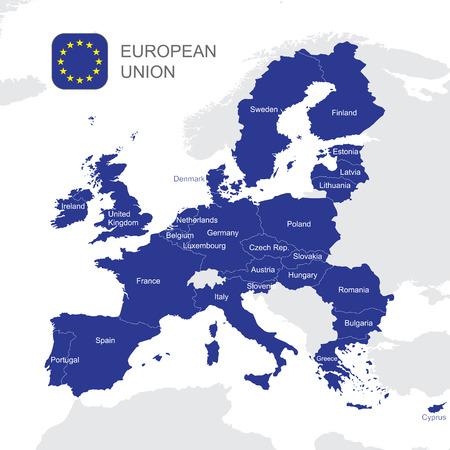
The review, which included around 60 intelligence experts representing 25 countries, compared the capabilities of Europe’s major foreign intelligence agencies. The study concluded that Britain’s Secret Intelligence Service (MI6) continues to set the benchmark for overseas intelligence collection, especially in countries where gathering reliable information is considered extremely difficult. Why this matters now: growing geopolitical tensions involving Russia, China, Iran, cyber threats, and international conflicts have increased the importance of reliable intelligence sharing among democratic allies.

International Experts Recognize MI6’s Intelligence Strength
According to the international assessment, MI6 received the highest overall score among European agencies because of its long-established reputation for developing trusted human intelligence sources. Intelligence experts noted that building confidential relationships with senior officials, military leaders, diplomats, and influential figures remains one of the agency’s greatest strengths.

Unlike intelligence gathered through satellites, electronic surveillance, or artificial intelligence, human intelligence often provides context that technology cannot. Analysts believe MI6 has invested for decades in cultivating experienced officers capable of operating in complex international environments while maintaining strong partnerships with allied intelligence organizations around the world.

How the Peer Review Compared Europe’s Intelligence Agencies
The peer review examined multiple factors rather than focusing on a single operation. Experts considered operational effectiveness, intelligence sharing, recruitment of confidential sources, strategic planning, international cooperation, and the ability to support national security during major global events.
France’s DGSE ranked second after receiving recognition for its worldwide operational reach, particularly its experience in Africa, the Middle East, and counterterrorism missions. The Netherlands’ AIVD earned praise for efficiency and reliability, while Ukraine’s intelligence service was recognized for its innovation and resilience since Russia’s full-scale invasion. Germany’s BND completed the top five, receiving positive reviews for analysis but lower marks for operational activity compared with several European counterparts.
Why MI6 Continues to Stand Out
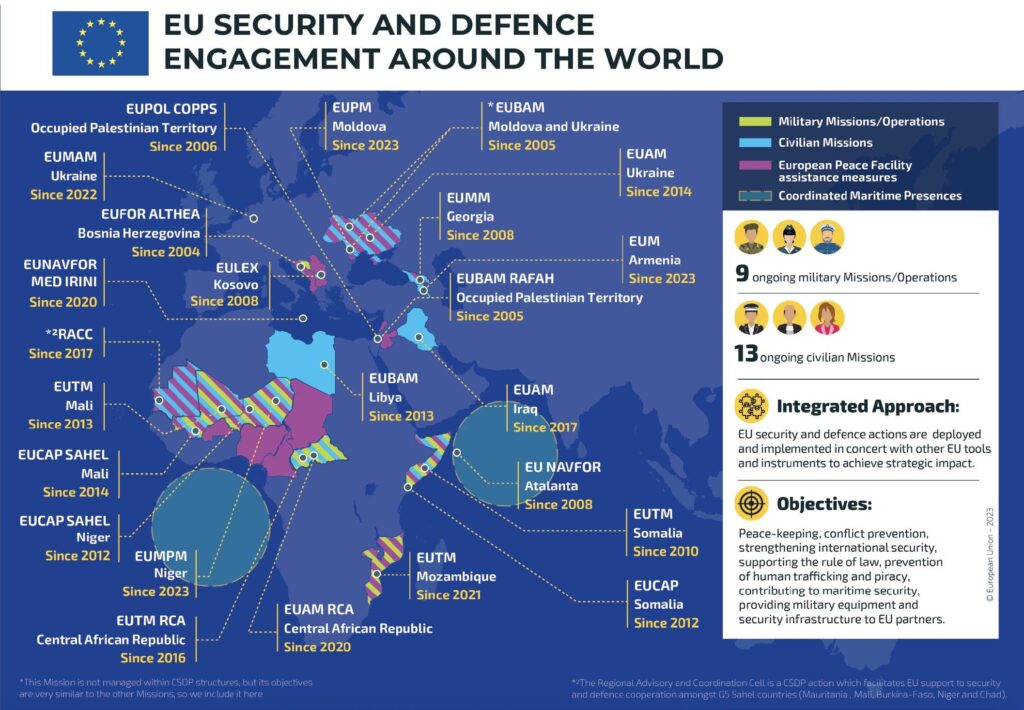
Security experts point to several reasons behind MI6’s continued reputation. Britain has maintained intelligence relationships across Europe, North America, the Commonwealth, and many other regions for decades. These partnerships allow information to move quickly between trusted allies when security threats emerge.
Another advantage is MI6’s long-term investment strategy. Intelligence operations often require years of preparation before valuable information is obtained. Former intelligence officials have frequently highlighted that successful human intelligence depends on patience, cultural understanding, language skills, and carefully built relationships rather than dramatic operations portrayed in films. This long-term approach has strengthened Britain’s credibility among allied intelligence agencies.
The Ukraine War Reinforced MI6’s Global Reputation
One of the strongest examples frequently mentioned by intelligence professionals was the period before Russia launched its full-scale invasion of Ukraine in 2022. British and American intelligence agencies collected significant evidence indicating that Russia was preparing for military action months before the invasion began.
Officials from several allied countries later acknowledged that intelligence shared by Britain helped governments prepare diplomatic, military, and economic responses. Although not every prediction proved completely accurate, many analysts believe early warnings from British intelligence demonstrated the importance of close international cooperation in preventing strategic surprise. That experience continues to influence intelligence collaboration throughout Europe today.
Intelligence Cooperation Is Becoming More Important Across Europe
The latest peer review arrives during a period of significant geopolitical uncertainty. European governments continue facing cyberattacks, disinformation campaigns, terrorism risks, economic espionage, hybrid warfare, and growing competition among major world powers. These evolving threats require intelligence agencies to work together more closely than ever before.
Many security specialists believe no single intelligence service can independently monitor every global challenge. Instead, trusted partnerships, rapid intelligence sharing, advanced technology, cyber capabilities, and experienced human sources all contribute to stronger collective security. Britain’s MI6 remains a central part of that international network while European agencies continue expanding cooperation to respond to increasingly complex threats. Recent efforts across Europe have also focused on strengthening intelligence collaboration as governments adapt to changing global security conditions.
What This Means for Global Security Going Forward
The peer review is not an official government ranking, but it reflects how experienced intelligence professionals view the strengths of Europe’s foreign intelligence agencies. Such assessments can influence future cooperation, training partnerships, intelligence exchanges, and strategic planning between allied nations.
For policymakers, the findings reinforce the continuing value of investing in skilled intelligence personnel, modern technology, cybersecurity, and international alliances. For the public, the report provides a rare glimpse into how intelligence professionals evaluate capabilities that normally remain confidential. As global security challenges continue evolving, effective intelligence collection and trusted international partnerships are expected to remain essential components of protecting national interests and responding to emerging threats.
Key Takeaways
- MI6 ranked first in an international peer review involving intelligence professionals from 25 countries.
- Experts highlighted MI6’s exceptional human intelligence capabilities and long-term recruitment of confidential sources.
- France’s DGSE, the Netherlands’ AIVD, Ukraine, and Germany’s BND followed in the rankings.
- Britain’s intelligence sharing before Russia’s invasion of Ukraine strengthened its international reputation.
- Growing cyber threats, geopolitical tensions, and hybrid warfare are increasing the importance of intelligence cooperation across Europe.
Subscribe to trusted news sites like USnewsSphere.com for continuous updates.