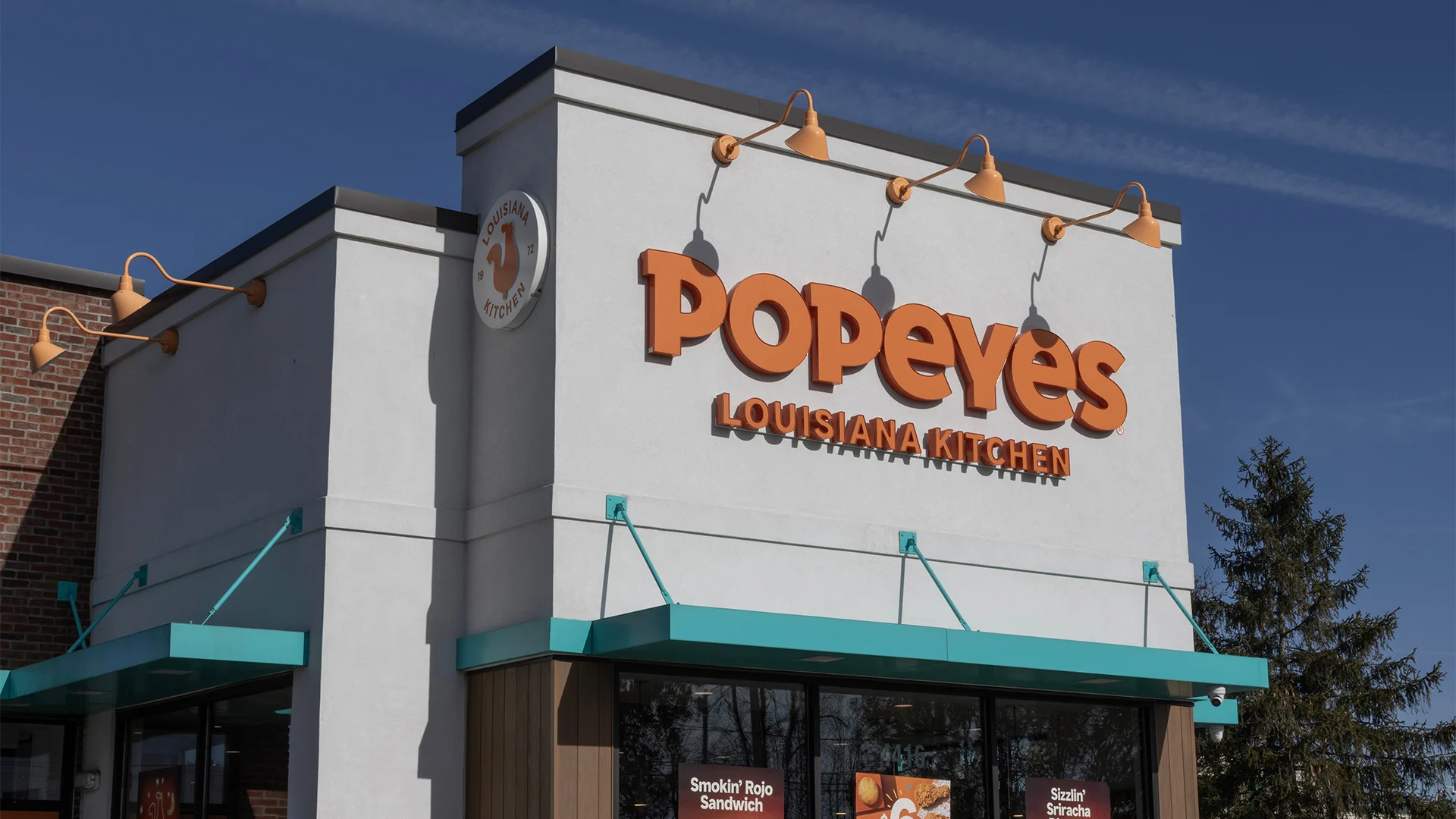
Popeyes franchisee bankruptcy crisis shocks fast food industry as dozens of restaurants close and more than 130 locations are at risk, drawing attention from critics and consumers alike. The news matters now because leaders, employees, customers, and investors need clear insight into what’s happening, why it’s happening, and what the fallout will mean for the beloved fried chicken chain and the broader restaurant sector.
Industry analysts now say that debt pressures, high inflation, post-pandemic customer patterns, and failed business deals have combined to push Sailormen Inc. — one of Popeyes’ biggest franchise owners — into Chapter 11 bankruptcy protection, leading to sudden closures and a ripple effect across the quick-service restaurant world. The impact now reaches workers, communities, and competitors nationwide.
Popeyes Franchisee Bankruptcy and Restaurant Closures
Sailormen Inc., a Miami-based multi-unit franchisee operating roughly 130 Popeyes Louisiana Kitchen locations in Florida and Georgia, recently filed for bankruptcy protection under Chapter 11 of the U.S. Bankruptcy Code, according to court filings and industry reporting.
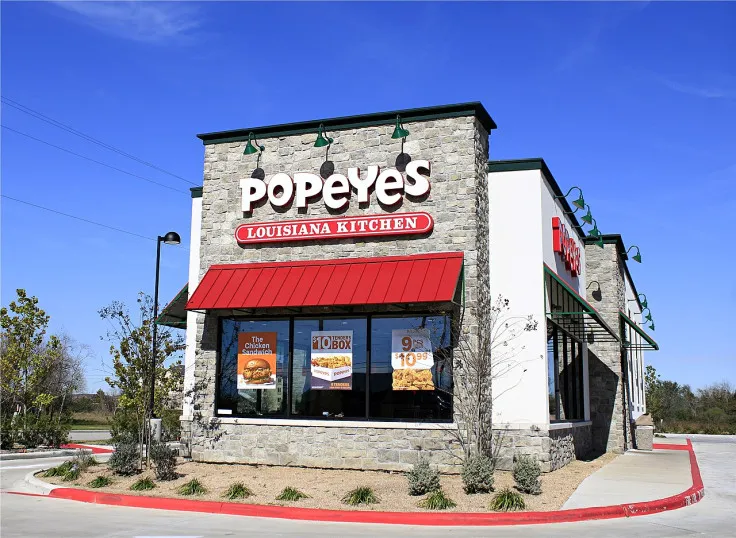
Almost immediately after the filing, Sailormen shut down at least 17 underperforming Popeyes restaurants in Georgia and Florida as part of restructuring efforts aimed at cutting losses and reducing lease obligations.
The bankrupt franchisee has signaled plans to reject lease agreements for many of these locations and is working with creditors to reorganize its operations. Rather than total liquidation, Chapter 11 allows Sailormen to restructure its debt while continuing to operate other locations that remain financially viable.
Why This Bankruptcy Happened
Sailormen’s bankruptcy did not come out of nowhere. The company was carrying nearly $130 million in debt, with a net operating loss reported in the millions last year, as documented in bankruptcy court disclosures.
Contributing factors include:
- Failed sale negotiations of 16 locations meant to generate liquidity, which collapsed and left the company stuck with leases it could no longer afford.
- High borrowing costs and continued inflation are making debt service and operations more expensive.
- Lingering effects of the COVID-19 pandemic on dining patterns and foot traffic, long after many other sectors rebounded.
- Labor shortages and rising wages are squeezing margins at the store level.
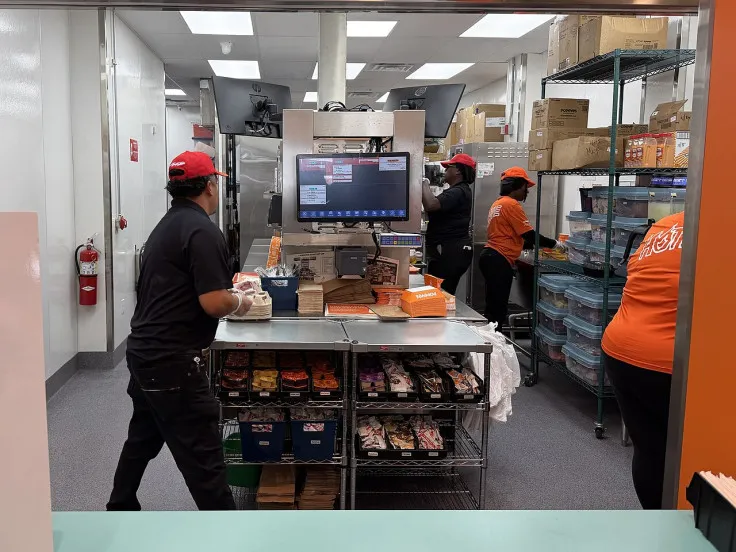
Taken together, these pressures slowed sales, reduced profitability, and worsened liquidity, leaving Sailormen unable to meet lease and loan obligations without legal protection.
The Human and Economic Impact
The ripple effects extend well beyond the courtroom.
Many employees face uncertainty amid sudden store closures, with some losing jobs or shift hours changed while restructuring plays out. Sailormen had employed thousands of hourly workers across its network before bankruptcy.
Communities with shuttered restaurants may see reduced foot traffic and fewer employment opportunities, particularly in areas where Popeyes outlets were major local dining spots.
Analysts say this situation could also influence wage and hiring trends in the restaurant sector, as competitors reassess labor costs in a tight market.
How Popeyes Corporate Is Responding
Leaders at Popeyes Louisiana Kitchen — the national brand owned by Restaurant Brands International — are stressing that the franchisee’s bankruptcy is isolated and not a reflection of the overall brand strength. Many franchise locations beyond Sailormen’s portfolio remain profitable and open.
The corporate team has reiterated support for franchisees navigating a challenging economic landscape, including through initiatives aimed at operational improvements and cost controls. Industry experts believe that stabilizing these partnerships is vital as the sector confronts wider demand shifts.
Why This Matters Now for Fast Food and Investors
This bankruptcy underscores a broader trend in the restaurant industry: even popular brands are vulnerable when debt, inflation, labor pressures, and pandemic aftereffects coincide. Sailormen’s difficulties are not unique — other quick-service franchise groups have faced similar financial distress in recent years.
For investors, this highlights the importance of evaluating franchise debt levels, lease obligations, and consumer demand saturation when betting on restaurant equities or franchise expansions.
For consumers, these closures may forecast additional changes in dining options, local job markets, and food prices as fast food chains adjust strategies.
What’s Next for Sailormen and Popeyes
Sailormen’s Chapter 11 process is ongoing. The franchisee aims to use this restructuring period to shed unprofitable locations, renegotiate leases, and potentially find buyers for parts of its portfolio. How successful these efforts will be remains uncertain.
Industry watchers say this chapter could serve as a warning sign — and an opportunity — for other restaurant operators to proactively address financial weaknesses before they lead to deeper crises.
Subscribe to trusted news sites like USnewsSphere.com for continuous updates.