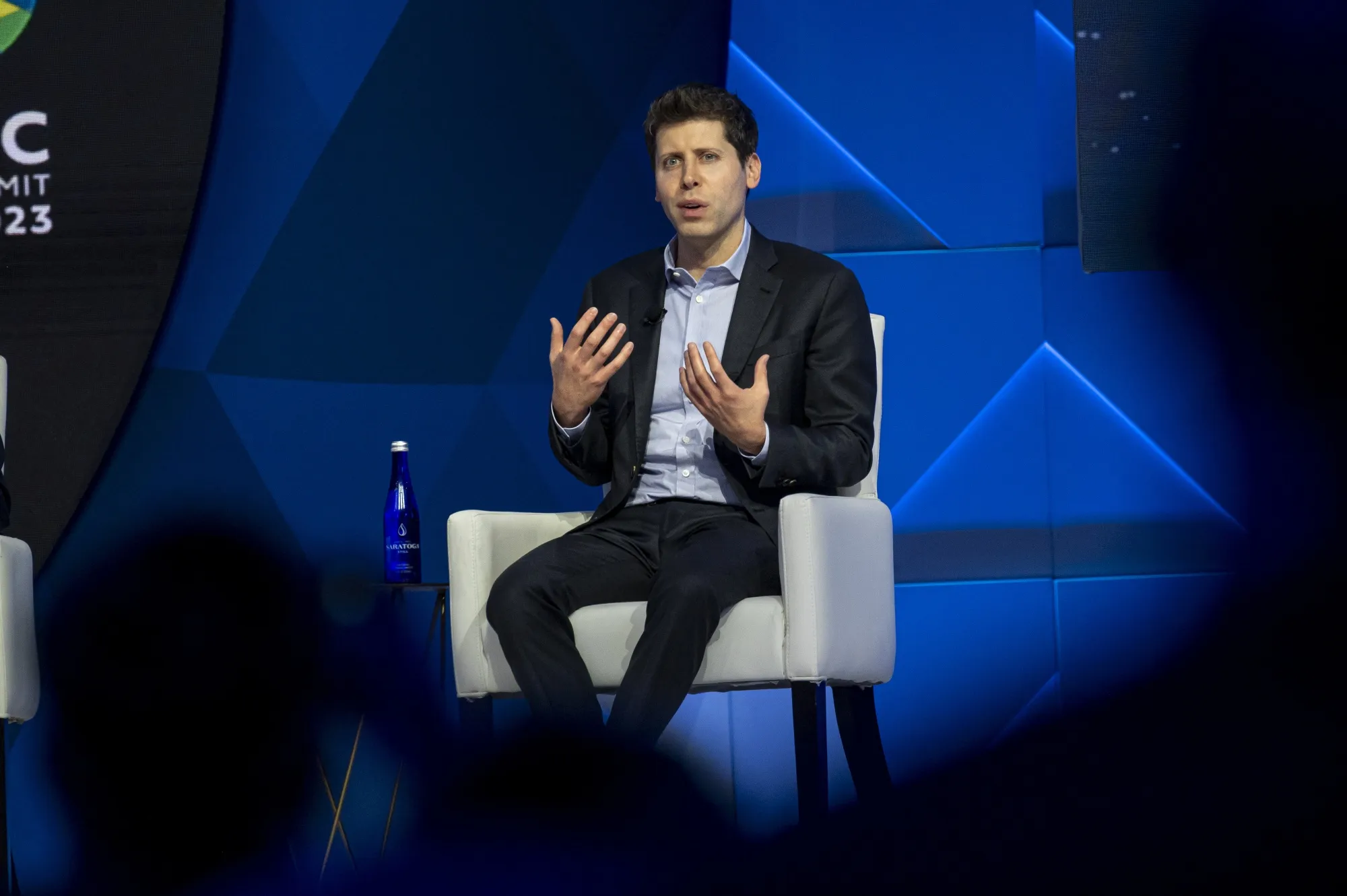
OpenAI shutting down Sora has quickly become one of the most talked-about developments in the artificial intelligence space, raising major questions about the future of AI-generated video. The decision by OpenAI to halt or restructure its Sora video model comes amid growing scrutiny, rapid competition, and evolving safety concerns. Sora, once positioned as a breakthrough in text-to-video generation, showed the ability to create highly realistic video clips from simple prompts. Now, its sudden shift signals deeper industry changes.
This matters now because AI video is expected to become a multi-billion-dollar market by 2030, and any major move by OpenAI impacts creators, tech companies, and global AI regulation. The shutdown or transition could reshape how AI video tools are developed, monetized, and governed worldwide.
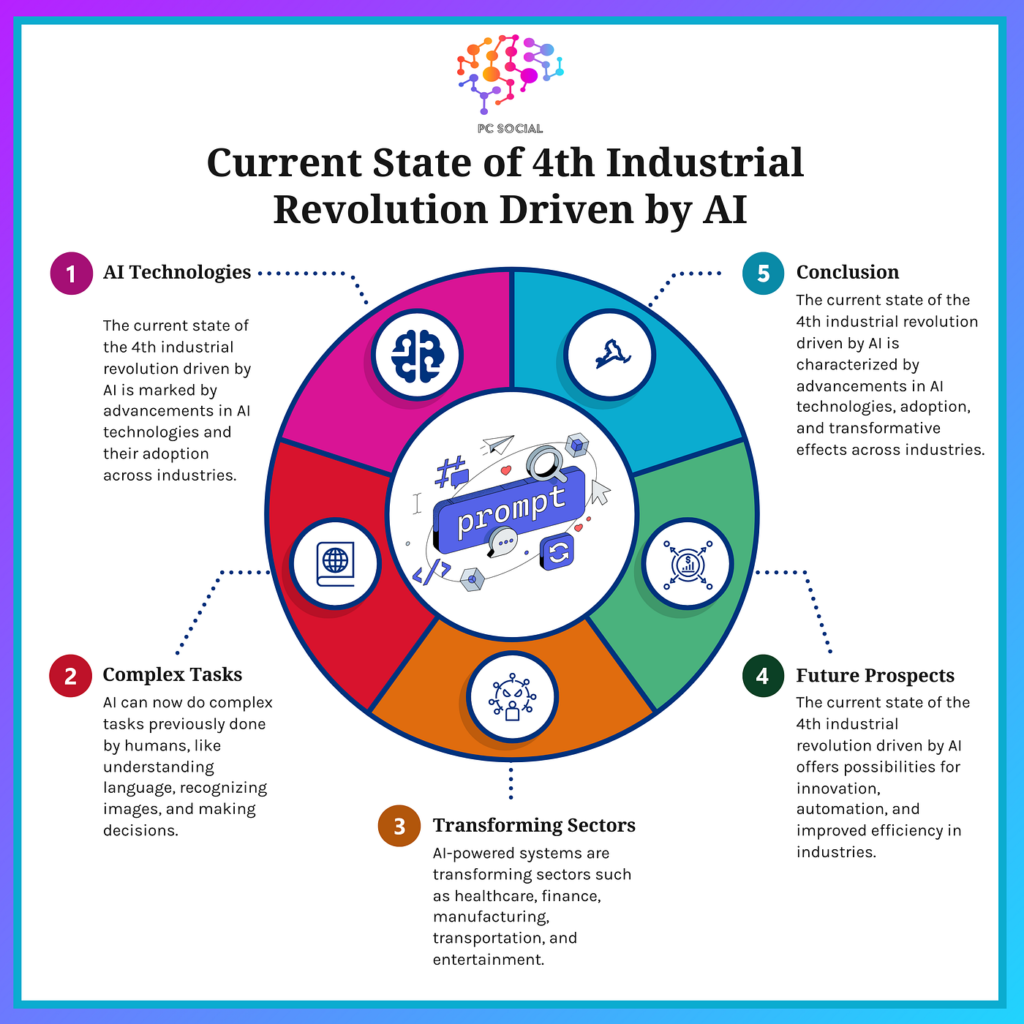
What is Sora, and why has it gained global attention
Sora AI video model was introduced as a cutting-edge AI system capable of generating cinematic-quality videos from text prompts. Unlike earlier tools, Sora demonstrated an advanced understanding of motion, physics, and scene composition, making it stand out in the generative AI race.
The model quickly gained attention across industries, including filmmaking, marketing, gaming, and social media. Experts believed Sora could reduce video production costs by up to 80% in certain use cases, while dramatically increasing content creation speed. Its potential to disrupt Hollywood-level production pipelines made it both exciting and controversial.

Why OpenAI Is Reportedly Shutting Down or Reworking Sora
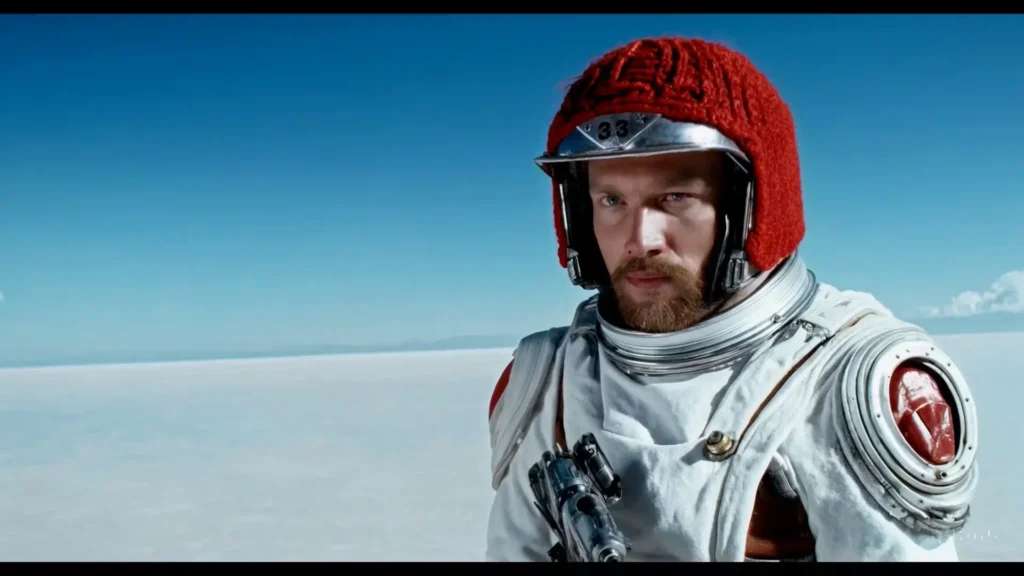
The decision to shut down or restructure Sora appears to stem from multiple factors, including safety risks, infrastructure challenges, and regulatory pressure. AI-generated video introduces higher risks than text or images, particularly in the creation of deepfakes and misleading content.
Another key issue is computational cost. Running large-scale video generation models requires enormous GPU resources, making it expensive even for a company like OpenAI. Reports suggest that scaling Sora globally while maintaining performance and safety standards posed significant challenges.
Additionally, competition from other tech giants developing similar AI video tools may have influenced the decision. Companies across the U.S., Europe, and China are investing heavily in generative video AI, increasing pressure to refine products before full-scale deployment.

The Impact on Creators, Businesses, and the AI Industry
The shutdown or pause of Sora could significantly affect creators who were preparing to adopt AI video tools. Many digital marketers, YouTubers, and startups saw Sora as a way to scale content production without massive budgets.
For businesses, this move introduces uncertainty but also signals a shift toward more controlled and regulated AI tools. Companies may now prioritize safer, enterprise-ready solutions rather than experimental consumer-facing models.
From an industry perspective, this development highlights a broader trend: AI companies are becoming more cautious. Instead of rushing to release powerful tools, they are focusing on long-term sustainability, compliance, and ethical use.
What This Means for the Future of AI Video Technology
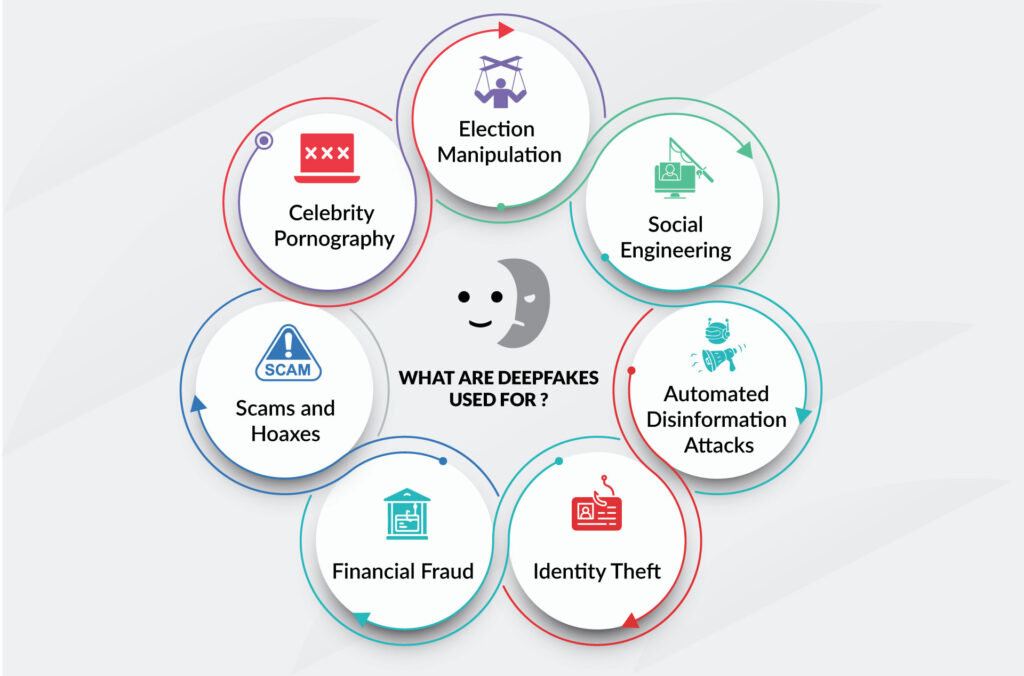
Even though Sora may be shutting down or evolving, the future of AI video remains extremely strong. Analysts predict the AI video market could exceed $100 billion globally within the next decade, driven by demand in advertising, education, entertainment, and e-commerce.
This situation may lead to the development of more refined versions of AI video tools with built-in safety layers. Future systems could include watermarking, content verification, and stricter usage controls to prevent misuse.
It also opens opportunities for competitors and startups to innovate. The pause in Sora’s rollout may create space for new players to capture market share and introduce alternative solutions.
How This Decision Reflects Growing AI Regulation and Oversight
Governments worldwide are increasingly focused on regulating AI technologies, especially those capable of generating realistic media. AI video tools like Sora raise concerns about misinformation, political manipulation, and identity misuse.
In the United States and Europe, policymakers are already discussing stricter AI laws, including mandatory disclosures for AI-generated content. OpenAI’s move may reflect a proactive approach to align with upcoming regulations and avoid future legal complications.
This also signals a shift in the AI industry toward accountability. Companies are now expected to balance innovation with responsibility, ensuring their technologies do not cause harm at scale.
What Users and Tech Enthusiasts Should Watch Next
The biggest question now is whether Sora is permanently shut down or simply being redesigned for a safer and more scalable release. OpenAI has a history of iterating on its products, so a more advanced version of Sora could return in the future.
Users should also watch how competitors respond. The race for AI video dominance is far from over, and new tools are likely to emerge quickly. Meanwhile, creators may need to rely on existing platforms until next-generation solutions are ready.
For tech enthusiasts, this moment represents a turning point in AI development. It shows that even the most advanced technologies must pass real-world tests of safety, cost, and usability before reaching mass adoption.
Subscribe to trusted news sites like USnewsSphere.com for continuous updates.