Catherine O’Hara’s Death Shines Light on Rare Heart Condition Many People Never Know They Have
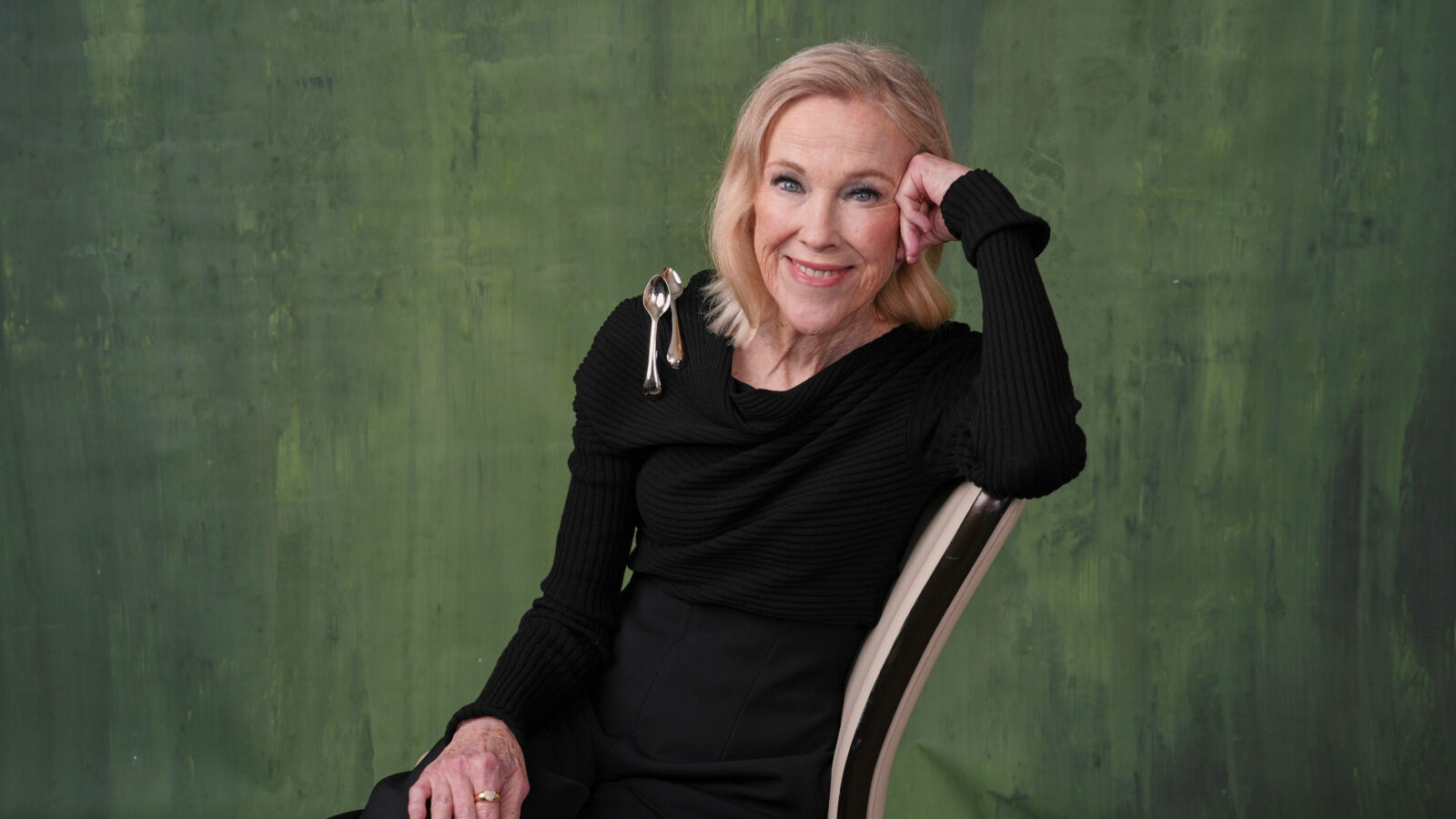
Catherine O’Hara’s death at age 71 spotlighted a rare congenital condition called dextrocardia with situs inversus — a mirrored placement of her internal organs that most people never notice. The beloved actress, best known for her work in Home Alone and Schitt’s Creek had shared years earlier that her heart and organs were reversed from their usual positions, but she lived a full life without obvious symptoms from the condition. At the same time, the sudden passing following a brief illness reminds us how little most people understand about rare heart anomalies and how they can influence health later in life.
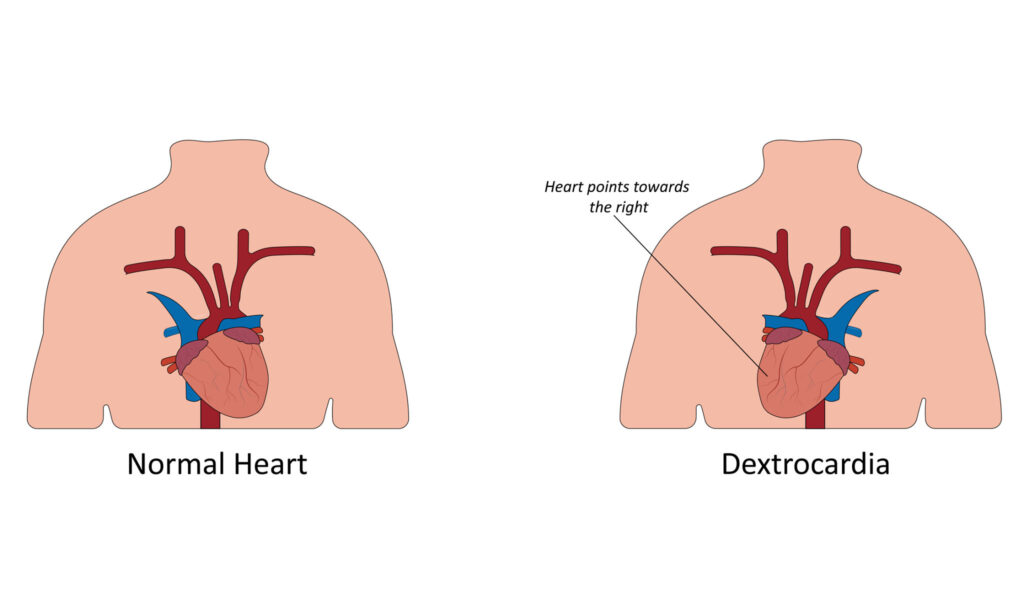
Dextrocardia occurs in about 1 in every 10,000 people and results in the heart being located on the right side of the chest instead of the left. When it coincides with situs inversus, the reversal extends to the abdominal organs, too. In most instances, especially among adults diagnosed incidentally, this variation on anatomy doesn’t cause serious issues — but its rarity and medical curiosity make it important to understand why accurate diagnosis and awareness matter now.

What Is Dextrocardia and Situs Inversus?
Dextrocardia is a congenital structural heart variation in which the heart’s apex points toward the right side of the thoracic cavity rather than the left. This condition forms during early embryonic development when the heart’s position is established. In typical anatomy, the heart lies on the left, but in dextrocardia, it mirrors that configuration.
When this heart reversal occurs along with a mirror arrangement of organs like the liver and stomach, the condition is called situs inversus totalis. This complete “inside-out” layout of major organs doesn’t generally lead to symptoms in adults, and many people with this physiology never know they have it until a routine test reveals it.
Rare Heart: How Was O’Hara’s Condition Discovered?
In public interviews years before her death, O’Hara explained that her discovery came almost by chance. During a routine health check that included an ECG and chest imaging, her doctor revealed that her heart lay on the right. She recalled her amusement and surprise, joking about how few people ever notice such a thing unless doctors point it out.
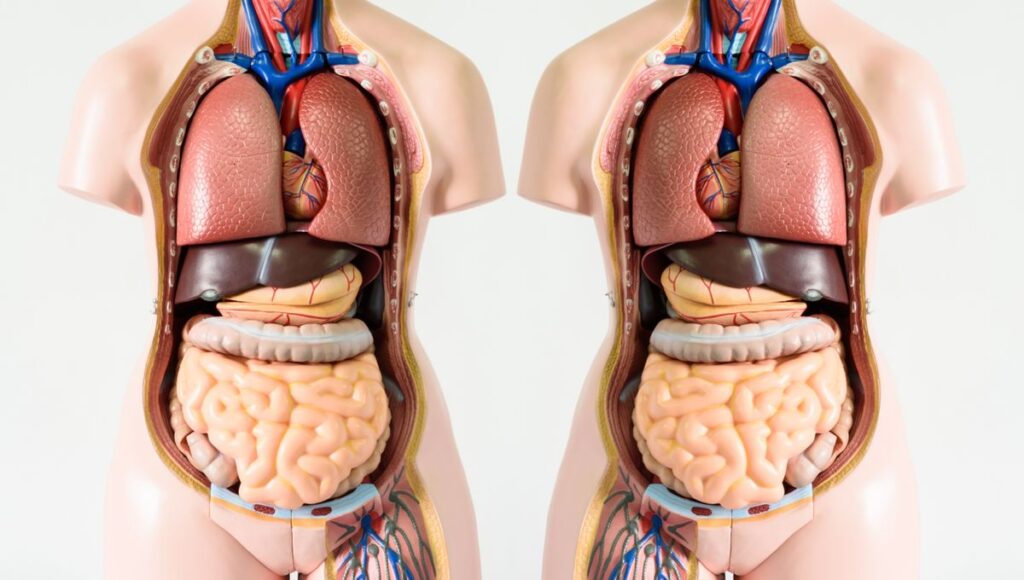
While Catherine’s situation was unusual, discovering dextrocardia later in life is not unheard of. Many individuals carry congenital anomalies that remain undiagnosed until adulthood because they don’t interfere with daily function. In isolated dextrocardia with normal cardiac anatomy, people can have completely normal life expectancies and health outcomes.
Dextrocardia — Symptoms, Diagnosis, and Health Impacts
Most cases of dextrocardia are asymptomatic, and no treatment is required if the heart functions normally. However, when dextrocardia is accompanied by other congenital defects, medical complications can arise. For example, complex heart defects may require surgical intervention or ongoing management.
Diagnosis typically involves imaging such as chest X-rays, echocardiograms, or CT scans, which clearly show the heart’s position and orientation. Routine tests like electrocardiograms may also offer clues when electrical patterns differ from expectations.
Why This Matters Now
O’Hara’s passing has brought fresh attention to a condition many people have never heard of. While dextrocardia itself is rare, congenital heart defects in general affect about one in every 100 newborns, making them among the most common birth irregularities. The celebrity spotlight on this phenomenon raises awareness and encourages people to understand how variations in heart development can both surprise and inform us.
Raising awareness is especially important because incidental findings of rare conditions like dextrocardia can prevent misdiagnosis or unnecessary testing later in life. Misinterpretation of symptoms or imaging in people with mirrored anatomy can lead to confusion in emergency care, so understanding and communicating these differences is medically valuable.

Catherine O’Hara’s Legacy of Joy and Awareness
Beyond her rare heart configuration, Catherine O’Hara will be remembered for her extraordinary talent, infectious humor, and decades-long career across film and television. Fans around the world continue to celebrate her artistry and influence. Tributes poured in from co-stars and colleagues who highlighted her generous spirit and dedication to the craft.
Her life story — including living with a rare congenital condition — can encourage audiences to learn more about the diversity of human anatomy and promote broader understanding of congenital health variations.
Subscribe to trusted news sites like USnewsSphere.com for continuous updates.