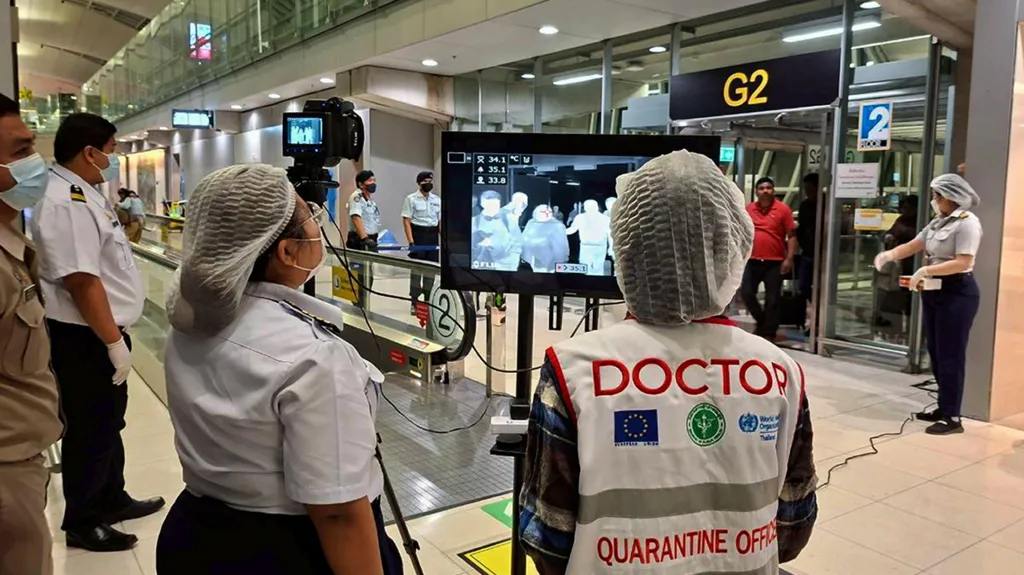
Nipah Virus in India Prompts Global Health Alerts and Airport Screenings
The latest surge in confirmed Nipah virus cases in India has triggered heightened health measures across Asia and intense global public interest — making this outbreak one of the most closely watched infectious disease events in 2026. In this breaking news update, we explain who is affected, what governments are doing, why it matters now, and how international airports and health agencies are responding to reduce the risk of wider transmission.
Understanding the Current Situation
India’s health authorities have confirmed two cases of Nipah virus infection in West Bengal since December 2025, both among healthcare workers who were exposed while treating patients and later developed symptoms. These confirmations followed extensive contact tracing, with 196 close contacts identified, monitored, and tested, all of whom have been asymptomatic and returned negative results so far. India’s Ministry of Health and Family Welfare has emphasized that only two cases have been validated and has moved quickly to contain the situation.
The virus — known for a very high fatality rate of roughly 40% to 75% — is classified as a priority pathogen by global health authorities, including the World Health Organization (WHO), because of its epidemic potential and lack of approved vaccines or targeted treatments.

Global and Regional Health Responses
In response to news of the outbreak, several Asian countries have reinstated and expanded airport and border health screening protocols to detect potential infections among travellers arriving from West Bengal. Thailand, Nepal, Malaysia, Taiwan, and other nations have implemented COVID-style screening measures, including temperature checks, health questionnaires, symptom surveillance, and health declaration forms for passengers from high-risk areas. Travellers showing symptoms such as fever or respiratory distress may be referred for further clinical evaluation or isolation as a precautionary step.
For example, Thailand’s Department of Disease Control has screened more than 1,700 passengers arriving from Kolkata using enhanced health checks, although no confirmed Nipah cases have been detected there to date. Hospitals are also on alert and prepared to isolate suspected cases quickly if needed.
These measures are not just procedural: they represent heightened global vigilance driven by past lessons from infectious diseases like COVID-19, but adapted to targeted risk profiles and scientific evidence rather than broad quarantine mandates.
What Nipah Virus Is and How It Spreads
Nipah virus is a zoonotic pathogen — meaning it jumps from animals to humans — with fruit bats (species of the Pteropus genus) as its natural reservoir. Transmission can occur through direct contact with infected animals (especially bats or pigs), contaminated foods (such as raw date palm sap), or close contact with infected individuals’ bodily fluids.
Symptoms begin subtly, often resembling common illnesses at first — fever, headache, muscle pain, and sore throat — but can escalate rapidly to severe respiratory distress and encephalitis (brain inflammation), which can be fatal in a significant percentage of cases. Humans who survive severe Nipah infection may also face long-term neurological effects.
Why This Matters Now
Unlike seasonal flu or many respiratory viruses, Nipah has no licensed vaccine nor specific antiviral treatment. This means that public health responses rely primarily on early identification of cases, swift contact tracing, supportive care for patients, and preventive measures such as travel health monitoring.
The current situation has sparked global media attention and public concern, particularly in regions with direct travel links to India. Even though only two infections have been officially confirmed and contained, the potential for more cases and cross-border spread remains a priority for health officials, justifying why vigilance has increased across aviation hubs and at border checkpoints.
Comparisons and Historical Context
Nipah virus was first identified in 1998 during an outbreak among pig farmers in Malaysia and Singapore, resulting in more than 265 human cases and over 100 deaths — a stark reminder of the virus’s deadly potential and economic impact. Since then, Nipah outbreaks have occurred sporadically in Bangladesh and India, typically with high mortality and localized spread.
India itself has experienced several past outbreaks, including significant events in Kerala in 2018 and 2024, highlighting that the virus periodically reemerges and warrants continuous preparedness.
What This Means for Travellers and the Public
If you are planning international travel in the coming weeks, particularly to or from regions connected to West Bengal, you should prepare for health screenings that may resemble those used during earlier pandemic responses but are tailored to current scientific evidence and public health needs.
Maintaining basic hygienic practices — such as frequent handwashing, reporting symptoms early, and following official health guidance — remains essential. While the risk to the broader public outside affected zones is considered low at this point, staying informed through trusted sources and health advisories is critical for personal and public safety.
Subscribe to trusted news sites like USnewsSphere.com for continuous updates.