
Colorectal cancer has officially become the deadliest cancer for adults younger than 50 in the United States, overtaking all other cancers in mortality for this age group, according to the latest data published in JAMA and reported by multiple leading medical news outlets. This trend is alarming because overall cancer deaths have declined among younger adults, yet colorectal cancer deaths continue to rise steadily and disproportionately. Experts emphasize that no one is too young to be affected and that early detection and awareness are more crucial now than ever.
A Surprising Shift in Cancer Death Statistics
For decades, cancers like lung, breast, and leukemia were the top killers among younger adults. But new data shows that colorectal cancer — which includes cancers of the colon and rectum — has climbed to the top spot, particularly among Americans under the age of 50. Between 1990 and 2023, the number of cancer deaths in this age group dropped overall by 44%, but colorectal cancer mortality has increased by about 1% each year, bucking the trend of declines seen in other major cancer types.
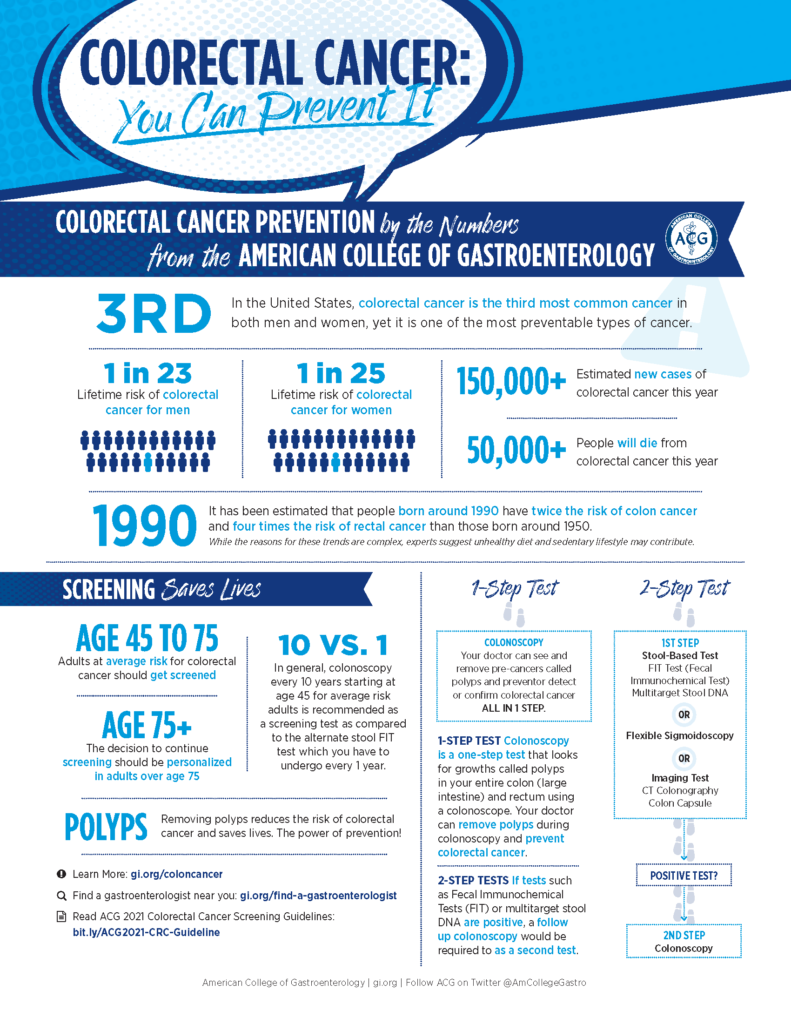
This shift occurred years earlier than many researchers expected — it was predicted that colorectal cancer would become the leading cancer killer by 2040, yet it happened well before that milestone, thanks to rapidly rising rates among younger people.
The reasons for this are complex and not fully understood, but scientists point to a mix of lifestyle, diet, and biological factors combined with inconsistent screening practices.
Why This Matters Now
This trend is especially urgent because people under 50 historically are not routinely screened for colorectal cancer unless they have symptoms or a family history. While screening guidelines were lowered to start at age 45 in recent years, many are still unaware of the importance of early checks, and many younger people with cancer are already in advanced stages when diagnosed.
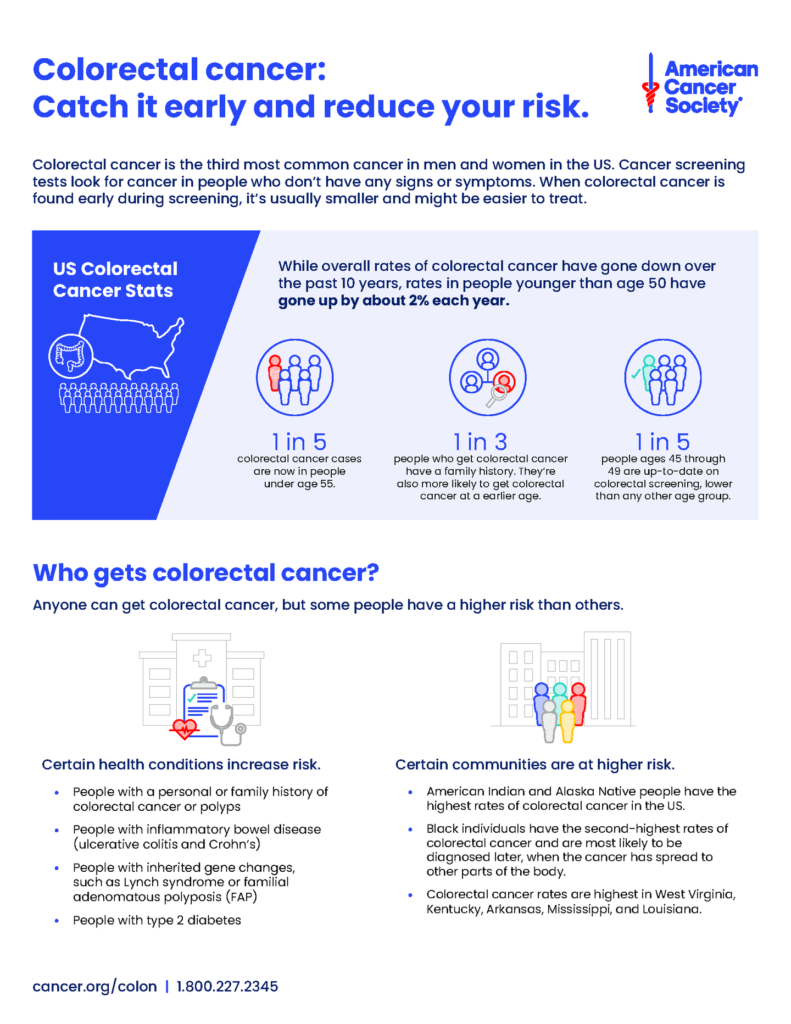
Despite overall advances in cancer treatment, colorectal cancer remains one of the few cancers with rising mortality in younger adults, making it a crucial public health concern. In contrast, lung and breast cancer death rates have declined significantly due to better detection and treatment.
This is why public health officials now stress the importance of symptom awareness — especially in younger people who may assume they are not at risk.
What’s Behind the Rise — Experts Weigh In
Medical researchers believe several factors could be contributing to the surge in colorectal cancer among adults under 50:
• Changes in Diet and Lifestyle: Diets high in processed foods, red meats, and low in fiber have been linked with increased colorectal risk. Obesity, sedentary lifestyles, and lack of exercise are also thought to play a significant role.
• Alcohol and Smoking: Heavy alcohol consumption and long-term smoking have been linked with a higher likelihood of colorectal cancer and more aggressive disease patterns.
• Microbiome and Environmental Factors: Alterations in the gut microbiome and environmental exposures may also be influencing early-onset cases, though scientists are still studying the exact biological mechanisms.
• Genetic and Biological Variables: Some individuals may be genetically predisposed to colorectal cancer, which can lead to earlier onset and more aggressive disease.
While no single cause has been pinpointed, researchers agree that a multi-factorial combination — behavior, biology, and environment — is contributing to this disturbing rise.
Warning Signs and the Importance of Early Detection
Because younger adults are less likely to be screened regularly, early symptoms are often missed or dismissed. Medical experts now recommend paying attention to unusual signs, such as:
• Persistent abdominal pain
• Blood in the stool or black/tarry stools
• Unexplained weight loss
• Changes in bowel habits
• Persistent fatigue or anemia
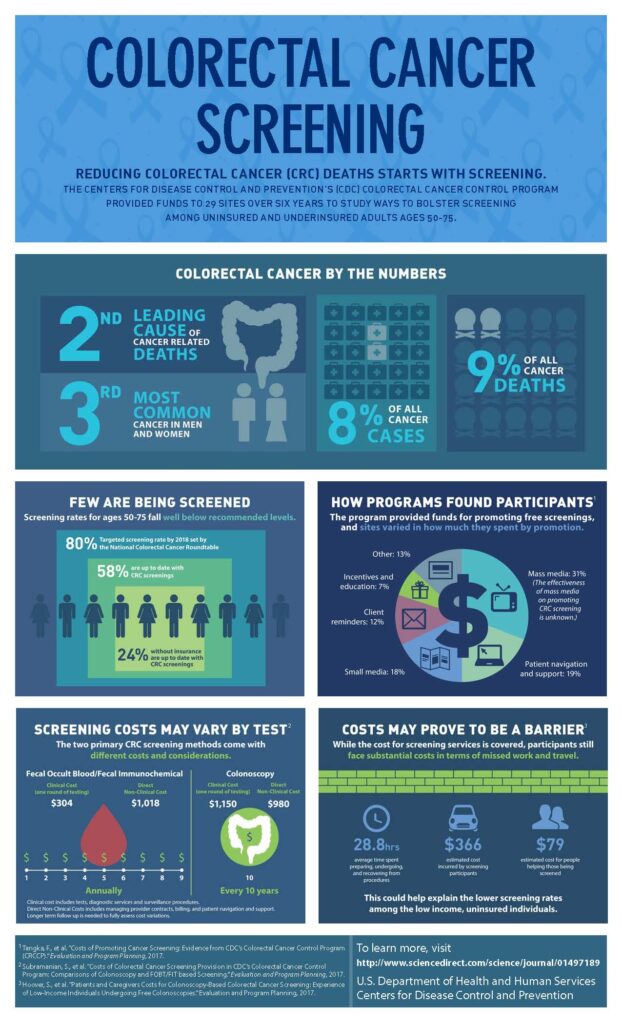
If any of these occur, talking to a healthcare provider immediately can lead to earlier diagnosis and significantly better outcomes. Early detection through colonoscopy or stool-based screening tests remains one of the most effective ways to reduce death from colorectal cancer.
What Patients and Families Should Know
Colorectal cancer affects both men and women, but recent data suggests the trend of younger onset is affecting both sexes almost equally. Although older adults still have higher absolute rates of colorectal cancer, the rate of increase among people younger than 50 stands out as a major concern.
Health organizations and cancer alliances are now calling for:
• Broader education about colorectal cancer risk
• More accessible screening options
• Increased research funding for earlier detection strategies
• Stronger public awareness campaigns
By understanding risk factors and acting quickly when symptoms appear, individuals can significantly improve their chances of successful treatment.
Taking Action: Prevention and Screening Save Lives
The good news is that colorectal cancer is highly preventable and treatable when caught early. In older adults, death rates have been declining thanks to improved screening and preventive removal of precancerous polyps.
Experts recommend:
• Starting screening at age 45 or earlier if risk factors are present
• Maintaining a balanced diet with high fiber and low processed meat
• Regular physical activity
• Avoiding tobacco use and limiting alcohol
These proactive steps not only reduce cancer risk but also contribute to overall healthier living.
Subscribe to trusted news sites like USnewsSphere.com for continuous updates.