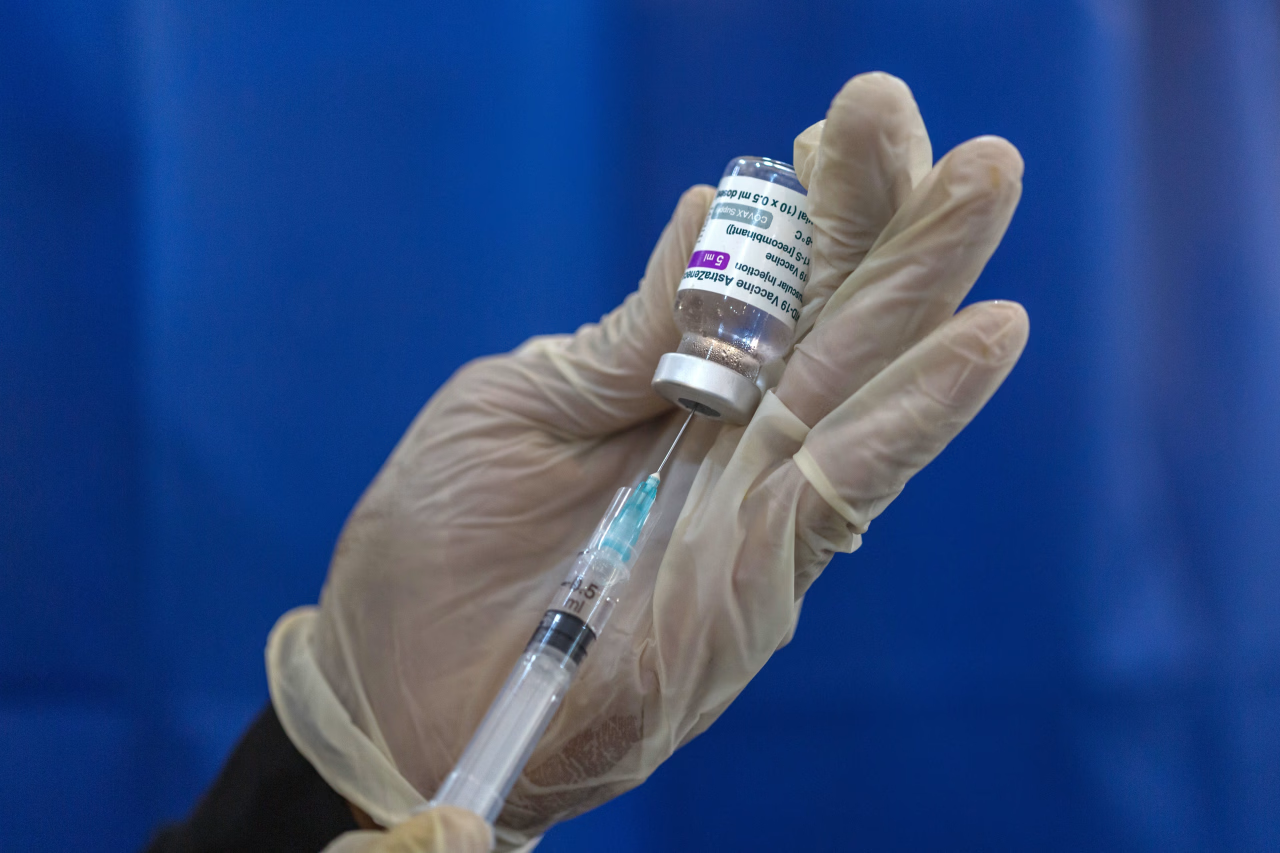
COVID vaccine blood clot answer is emerging from a major new scientific breakthrough revealing why extremely rare clotting occurred with certain COVID-19 shots — and what it means for future vaccine safety. Researchers now believe this rare reaction was caused by a specific immune response in people with certain genetic traits, not by the spike protein itself. Because understanding this process helps scientists better design vaccines and reduce fear, this matters now more than ever as the world continues thinking about pandemic preparedness and vaccine trust.
What the New Findings Reveal About Rare COVID Vaccine Clots
Recent research led by an international team of scientists finally unlocked an answer to a medical mystery that puzzled experts for years: why a very small number of people developed dangerous blood clots after receiving certain adenovirus-based COVID vaccines. These included shots such as Johnson & Johnson and AstraZeneca that used a harmless carrier virus to deliver coronavirus proteins.
The breakthrough study shows that when specific immune cells in people with particular genetic traits reacted abnormally to the adenovirus vector, they produced antibodies that mistakenly targeted a key protein involved in platelet function. This led to the rare condition known as vaccine-induced immune thrombotic thrombocytopenia (VITT). This discovery explains how — rather than merely observing that — these events happened, giving scientists tools to prevent them in the future.
Why This Matters for Public Health and Vaccine Confidence
Understanding the genetic and immune basis of these rare clotting events is significant because it separates false fears from evidence-based risk. Early in the pandemic, reports of rare clots caused confusion and fuelled misconceptions that COVID vaccines in general were unsafe. However, data consistently show that the risk of blood clots from COVID-19 infection itself far outweighs the risk from vaccination. Large studies reported that infection increases clot risk dozens of times more than vaccination does.
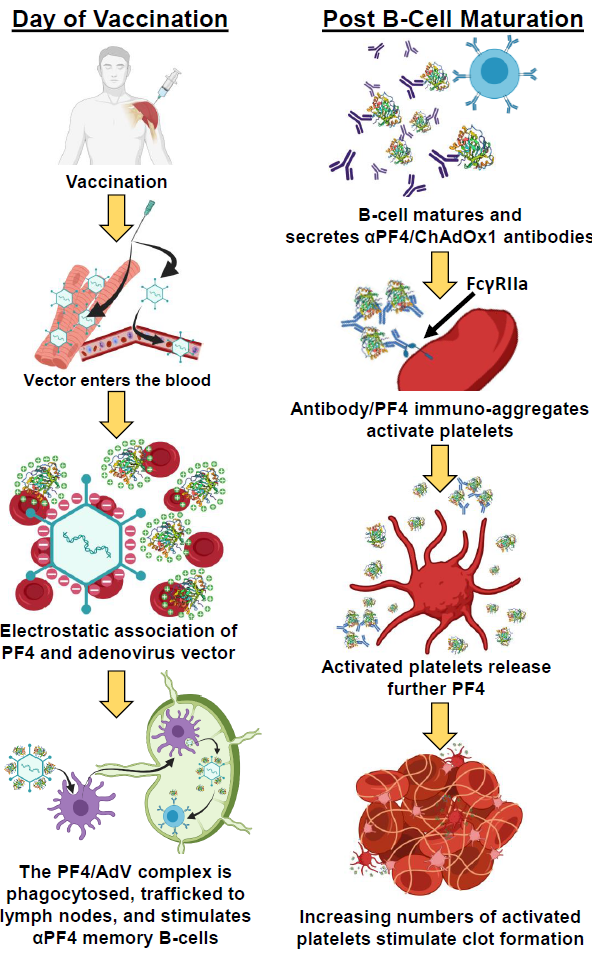
By clarifying why clotting occurred with specific vaccines and not with others, scientists can now tailor future vaccines to avoid the exact triggers that cause adverse immune reactions. This could help restore and strengthen public trust, reduce vaccine hesitancy, and provide stronger safety profiles for the next generation of immunizations.
Separating Rare Reactions From Broad Vaccine Safety
It’s critical to stress that the overwhelming majority of COVID vaccines remain safe and effective for most people. Major health authorities, including the Mayo Clinic and other medical institutions, continue to emphasize that vaccines dramatically reduce your risk of hospitalization, severe disease, and death.
Even after more than a billion vaccine doses administered worldwide, serious blood-clotting issues have been exceedingly rare. Studies show that thrombosis with thrombocytopenia conditions — while serious — occur at very low rates and most often in specific contexts like adenovirus vectors, not in mRNA vaccines such as Pfizer or Moderna.
This new research doesn’t undermine the value of vaccines but refines our understanding of how immune systems interact with different vaccine platforms. That’s powerful science in action — improving protection and guiding future design.
Impact of Clotting Research on Future Vaccine Development
With concrete evidence now pointing to a precise immune mechanism behind the rare clotting condition, vaccine researchers can engineer ways to remove or modify the components that triggered immune overreaction. This is a major step toward safer adenovirus-based designs and tailored vaccines — sometimes referred to as precision vaccinology.
This matters not only for COVID vaccines, but for global public health: adenovirus vectors are a helpful tool for rapid response in future pandemics, especially in resource-limited regions. Designing them to avoid rare clotting responses ensures broader acceptance and safer outcomes worldwide.
Understanding Clot Risks: Vaccine vs. COVID Infection
Studies consistently show that natural COVID infection poses a significantly higher risk of blood clots compared with vaccination. Research from large population databases found that clotting events after infection are severalfold more common than similar events after vaccination.
This distinction matters because it highlights why vaccination remains one of the most effective public health tools used in modern medicine — protecting millions from severe complications while presenting very low risk of rare adverse events. Understanding the science helps separate headline fear from reality.
What This Means for You and the Future
For individuals and policymakers alike, these findings should provide reassurance: scientists are not only aware of rare vaccine side effects — they are solving their underlying causes. This will help inform safer vaccine platforms and reduce uncertainty in public health communication.
As research continues, keeping informed from credible, evidence-based sources will help communities make better decisions about vaccination and overall health strategies.
Subscribe to trusted news sites like USnewsSphere.com for continuous updates.