RFK Jr. and the rise of MAHA moms at the center of America’s public health conversation show why this matters now — because long-standing scientific consensus, vaccine policy, chronic disease strategy, and trust in health institutions are all being challenged at once. This is reshaping how millions of U.S. families think about health and science — and it’s making headlines for both supporters and critics across the political and medical spectrum. Who is involved, what is happening, why it matters, and what impact it could have on the country’s future are central to this story.
What Is the MAHA Movement and Why It’s Trending
The “Make America Healthy Again” (MAHA) initiative was launched after President Donald Trump appointed Robert F. Kennedy Jr. as the U.S. Secretary of Health and Human Services in February 2025.
The MAHA Commission’s stated mission is to identify the causes of childhood chronic disease and improve American health outcomes by examining diet, chemicals, prescription drug use, and environmental exposures.
MAHA moms — often active on social media — have become a vocal base supporting RFK Jr. They are “momfluencers,” concerned about children’s health issues like food additives, chronic illnesses, environmental toxins, and medical freedom.
These supporters see Kennedy’s leadership as a pushback against big pharmaceutical companies and industrial food systems, which they feel have failed U.S. families. But the movement’s critics — including major news outlets and public health professionals — say the mix of activism and science creates confusion at best and dangerous misinformation at worst.
How MAHA Has Influenced Health Policy and Public Debate
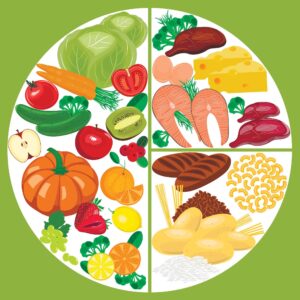
Under RFK Jr.’s direction, the Department of Health and Human Services has advanced a series of policies and initiatives under the MAHA banner, including the release of strategic health plans focused on children’s chronic diseases, changes to dietary guidance, and a push for transparency in food production.
In state legislatures across the U.S., MAHA-aligned ideas are influencing laws restricting food dyes and pushing for warnings on certain ingredients. Lawmakers have introduced dozens of bills involving food additives, vaccines, and environmental health issues — though many of these proposals lack broad scientific support.
Public health experts are increasingly concerned that skepticism about vaccines, water fluoridation, and established scientific guidance — all tied to MAHA rhetoric — could undermine decades of progress in disease prevention. For example, recent data show that measles elimination status in the U.S. is at risk as vaccination rates fall, a trend linked in part to growing hesitancy.
Scientific Credibility — The Controversy Around MAHA Reports
One of the most widely discussed controversies involves the MAHA report released in 2025, which was intended to offer evidence-based recommendations on chronic disease reduction. Critics uncovered serious errors, including citations to studies that do not exist and flawed characterizations of research, raising questions about the report’s credibility.
White House officials acknowledged these errors and promised revisions, but the episode fueled debate about whether scientific rigor is being maintained in policies affecting millions of children and families.
Why MAHA Moms Are Drawn In — and Why Some Are Pulling Back
Many mothers involved with MAHA describe their interest as rooted in genuine concern for their children’s health and distrust of traditional institutions. These women often embrace natural diets, holistic wellness, and preventative health strategies. Supporters say they feel empowered by taking control of their families’ well-being and seeing their concerns reflected in national conversations.
However, not all mothers who once supported MAHA stay aligned. Some ex-MAHA moms have publicly expressed regret and guilt for having backed messages that downplayed vaccines or promoted unverified theories, especially as health experts warn about serious public health consequences.
The Impact on Public Health and Science Trust
The MAHA movement has broader implications for America’s relationship with science. Experts note that misinformation and skepticism about vaccines, chemical exposures, and public health guidelines can have real human costs, including outbreaks of preventable diseases and undermined trust in institutions that have historically saved millions of lives.
Medical researchers emphasize that robust scientific consensus — built through rigorous study and peer review — remains the foundation of effective health policy. When political movements blur the line between activism and evidence, the consequences affect more than just politics; they affect health outcomes and community resilience.
What This Means Going Forward
As MAHA continues to shape national debate, the conversation about health policy in the U.S. is likely to become even more polarized. If policymakers, parents, and scientists fail to find common ground rooted in verified evidence, the risk is that division will override collaboration in tackling preventable diseases and improving public health.
This story matters now because what happens next — in legislatures, health agencies, and community forums — will influence everything from childhood nutrition to vaccine confidence and environmental protections.
Subscribe to trusted news sites like USnewsSphere.com for continuous updates.