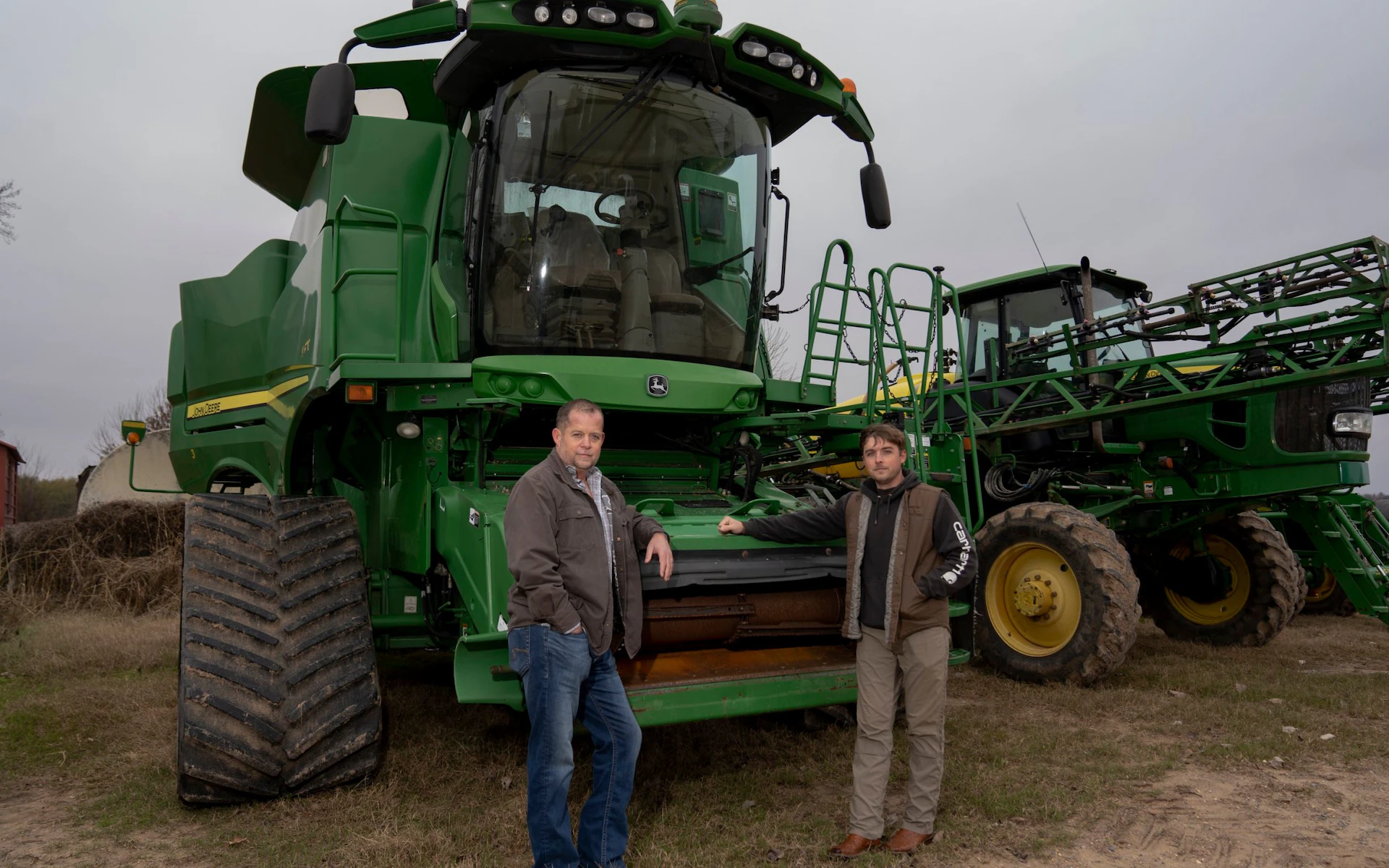
In rural America, communities that once placed unwavering trust in Donald Trump’s promises are now confronting the stark reality of unmet commitments, deepening economic distress, and a growing sense of betrayal — a shift that carries serious political and social consequences for the heartland of the United States.
For years, residents of small towns and farming communities have rooted for leaders who pledged to put America First, promising to stop rising costs, protect agricultural jobs, and revitalize rural infrastructure. However, as cost-of-living pressures mount and key federal supports are delayed or reshaped, that promise is now unraveling in the very places where Trump once won overwhelming support.
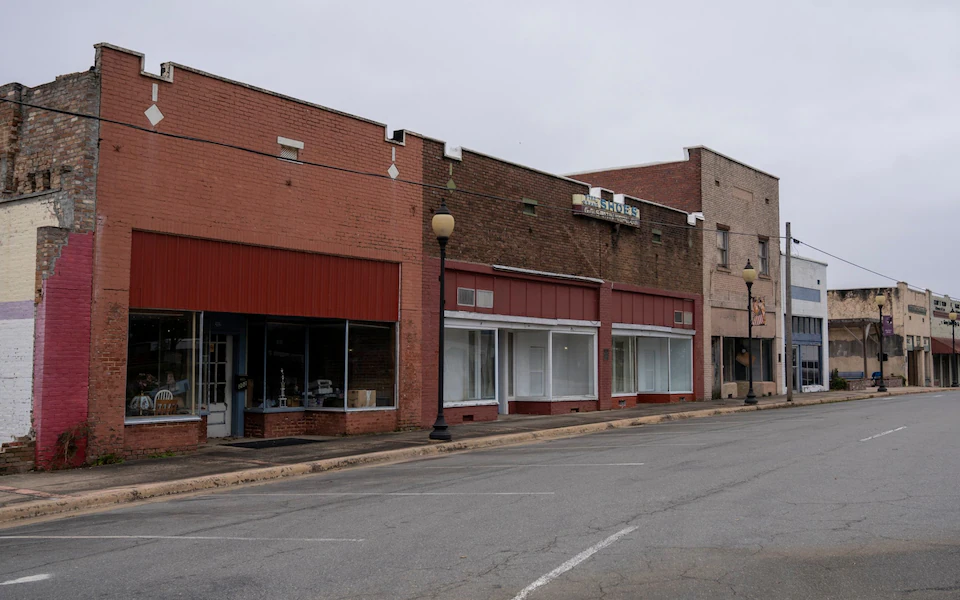
Why Rural America Is Feeling Let Down After Voting for Change
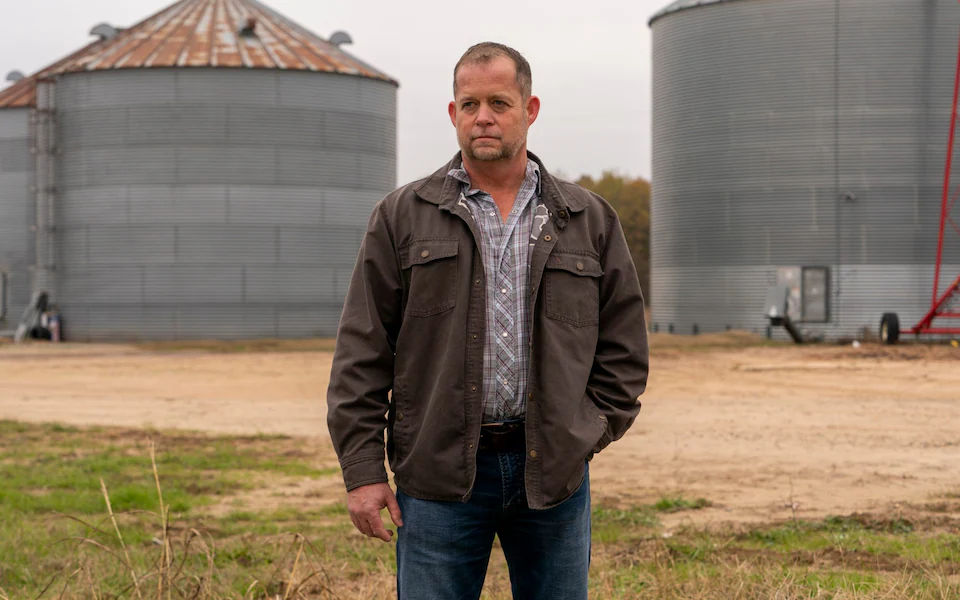
Many rural voters backed Donald Trump with the hope that his policies would stem the tide of economic decline, boost agricultural prices, and lower everyday costs. Yet recent developments tell a different story.
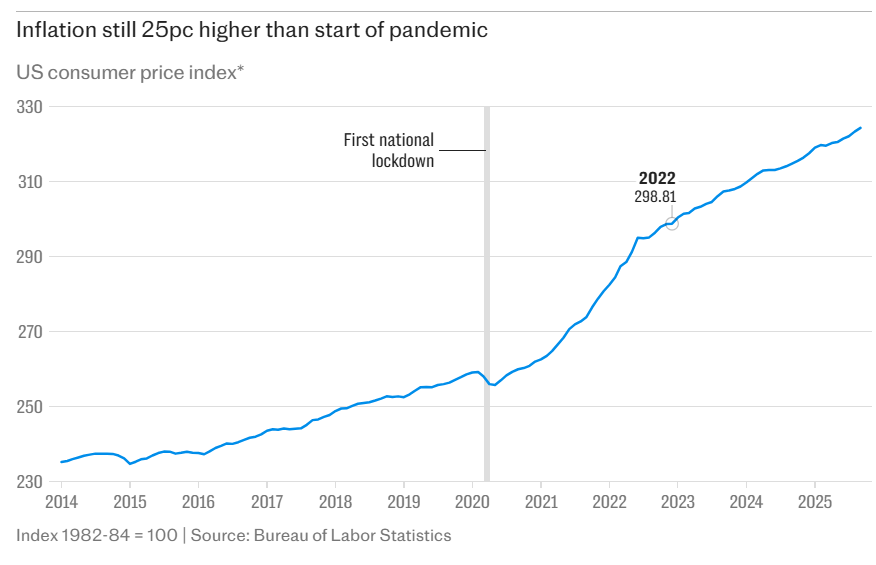
One of the most visible flashpoints is the cost-of-living crisis that continues to burden rural households, despite Trump’s pledge to “stop sky-high price rises.” According to inflation pressures are persistent across farm states and small towns — signaling that, in many areas, life has not become more affordable as promised.
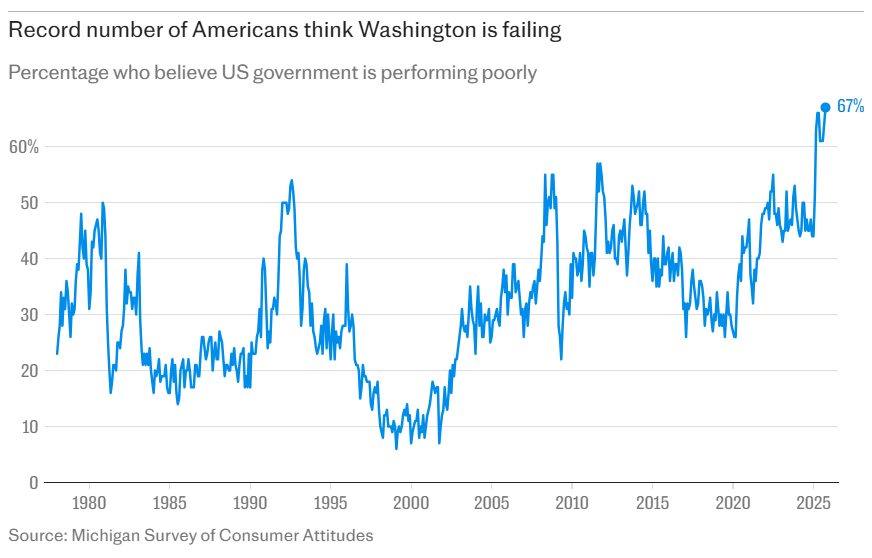
At the same time, rural healthcare systems are under strain. Federal programs intended to shore up local hospitals and clinics have been tied to controversial requirements that some states must adopt specific policy stances to receive full funding. Critics argue that this conditional support is insufficient to counterbalance tens of billions in planned cuts to Medicaid and the Affordable Care Act, which risk hastening the closure of much-needed rural medical facilities.
Farmers Face Economic Hardships and Broken Promises on Aid
Rural farm economies, once seen as resilient engines of American production, are struggling under several converging drawbacks — from trade disruptions to faltering subsidy programs.
While the Trump administration has unveiled a multibillion-dollar farm aid package designed to ease financial distress for producers, many farmers and agricultural analysts say the scale of assistance still falls short of their needs. The $12 billion relief plan — which earmarks the bulk of funds for row-crop producers — is seen as a stopgap rather than a structural solution, especially given long-term losses from tariffs and export challenges.

Moreover, contractual funding owed to tens of thousands of farmers through federal conservation and energy-efficiency programs remains delayed or uncertain due to policy shifts and administrative pauses. A nonprofit analysis found that the USDA’s pause on reimbursements has left growers responsible for large pre-season expenditures without the guarantee of repayment, producing fear about the viability of upcoming crop seasons.
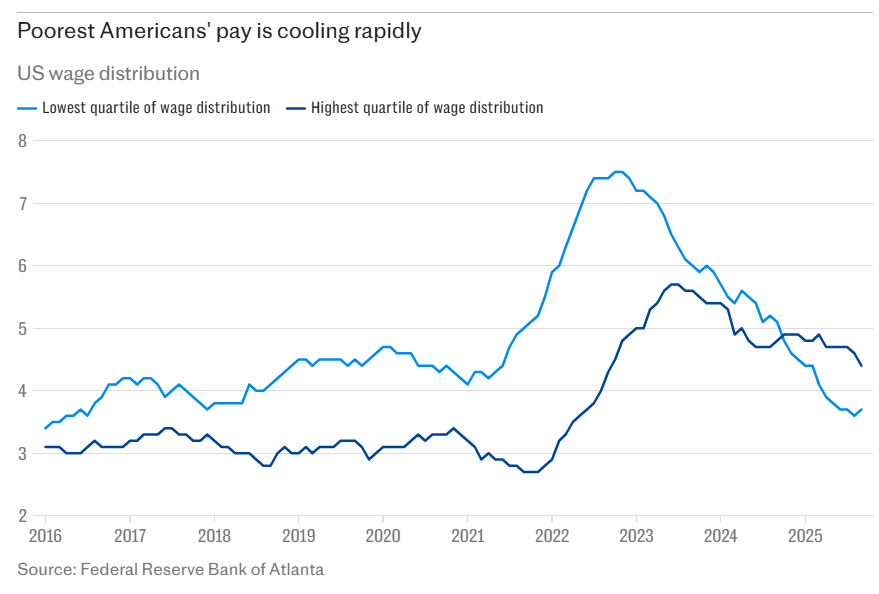
The agricultural situation mirrors broader economic pressures: rural counties, which make up nearly two-thirds of the U.S. land area and voted overwhelmingly for Trump in 2024, are now reporting declining voter approval and mounting frustration with economic conditions that have not improved as expected.
What Economic and Policy Factors Are Driving Rural Discontent
Several interlocking economic and policy factors are contributing to rural America’s unease:
Inflation and Cost of Living: Rural residents report ongoing struggles with rising grocery, fuel, and utility costs — despite presidential pledges to mitigate inflation.
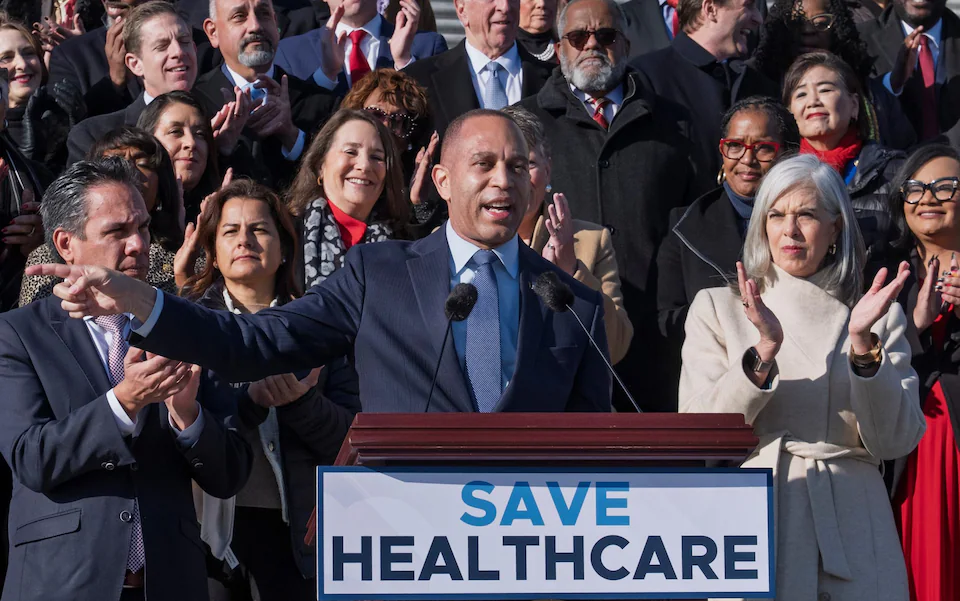
Healthcare Funding Challenges: Efforts to allocate billions in rural health funding have been met with controversy, as some provisions make funding contingent on states adopting specific policy frameworks — a move that critics say undermines equitable access to care.
Trade and Agricultural Market Dynamics: Tariff policies with key trading partners have disrupted export markets for American grains and soybeans, creating economic instability for farm communities and limiting growth opportunities.
Worker Shortages: Tighter immigration enforcement has also reduced the available labor pool for agricultural fields and processing plants, amplifying labor costs and complicating planting and harvest cycles.
Together, these trends illustrate why many rural Americans feel that the policy framework they supported may have fallen short of the broad economic relief they hoped for.

Political Repercussions: Rural Voters Re-Evaluate Their Support
Economists and political scientists warn that the dissatisfaction emerging in rural communities could have notable implications for upcoming elections and national political dynamics.
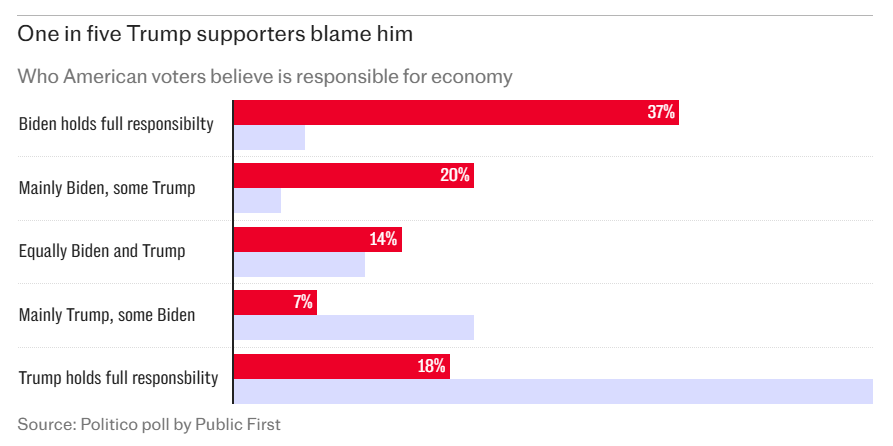
Rural America was a cornerstone of Trump’s 2024 victory — with extremely high margins in counties across the Midwest and Plains states. But growing accounts of economic hardship and perceptions of broken promises are fueling narratives of distrust that could shift political preferences ahead of the 2026 midterms.
In some regions, the narrative of betrayal is already being amplified by opposition parties, who are highlighting how specialized trade policies and healthcare restructuring — often portrayed as benefiting broader economic goals — may have overlooked the day-to-day struggles of rural families.
The political challenge is clear: if rural voters feel that leadership has not delivered on foundational pledges of economic security and opportunity, their loyalty may weaken, potentially altering the electoral landscape in critical swing states.
Rural Resilience and Pathways Forward
Despite these challenges, many rural communities continue to seek adaptive strategies to diversify their economies and reinvest in local resilience. Grassroots agricultural cooperatives, renewable energy initiatives, and broadband expansion projects are among the efforts gaining traction as rural leaders look for ways to reinvigorate local economies independently of broader federal policy debates.
Policy experts argue that a sustainable path forward must involve meaningful engagement with local stakeholders, increased direct investment in rural infrastructure, and collaborative efforts to align national economic policy with on-the-ground realities. Brookings
Without renewed commitment from national leadership and tangible economic improvements, the sense of pain and disillusionment in rural America is likely to deepen — reshaping not just local economies, but the political bonds that have long defined American electoral politics.
Conclusion
Rural America stands at a crossroads. Once a bastion of political support for promises of economic renewal, these communities are increasingly vocal about the gap between expectations and lived experience. From rising living costs and healthcare pressures to delayed agricultural funding and market disruptions, the sense of betrayal runs deep and wide. To address these challenges, policymakers must listen to rural voices, craft policies that deliver measurable outcomes, and bridge the divide between promise and reality.
Only with renewed focus and inclusive policy development can the heartland begin to heal — and potentially restore the trust that has eroded in recent years.
Subscribe to trusted news sites like USnewsSphere.com for continuous updates.