Tulsi Gabbard: FBI Raid at Georgia Election Hub Sparks National Uproar as Tulsi Gabbard Faces Scrutiny
FBI agents stormed the Fulton County Election Hub in Georgia as part of a controversial search for ballots and records tied to the 2020 U.S. presidential election, drawing national scrutiny — especially after Director of National Intelligence Tulsi Gabbard was seen at the scene. This unfolding story raises urgent questions about federal authority, election integrity, and political influence at the highest level, and why this matters now is because it could reshape public trust in U.S. elections just months before the 2026 midterms.
What Happened at the Fulton County Election Hub
In late January 2026, FBI agents executed a court-authorized search warrant at the Fulton County Election Hub — a facility outside Atlanta that stores ballots, tabulator tapes, ballot images, and voter rolls from the 2020 election. The search sought to collect these election materials as part of a broader inquiry into alleged 2020 election interference claims that have long been propagated by former President Donald Trump despite repeated audits confirming the original results.
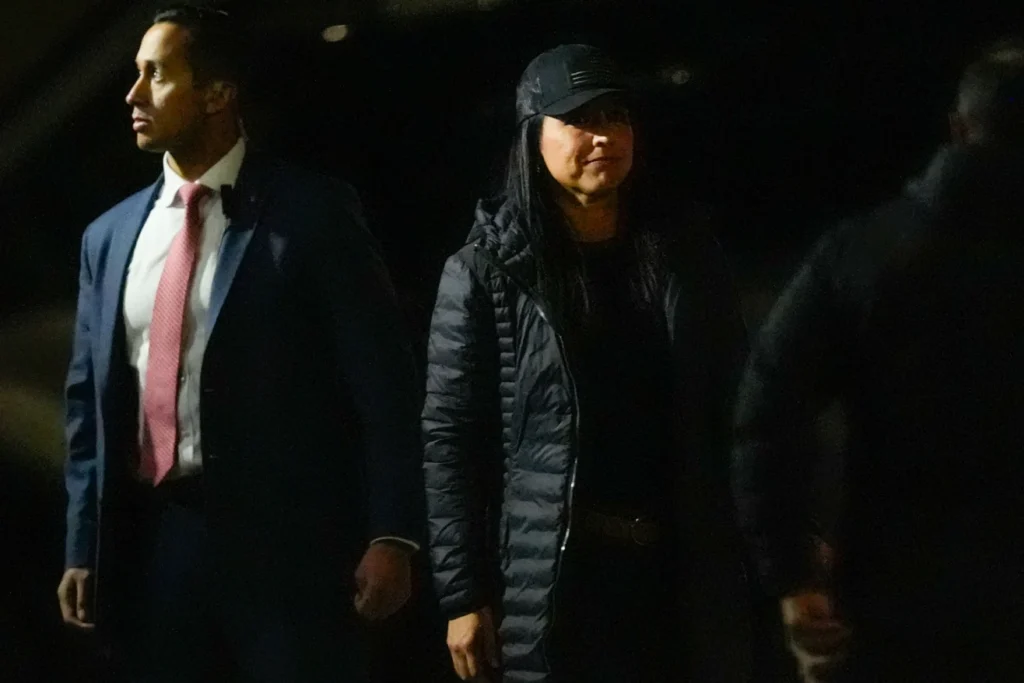
Local election officials expressed alarm that the operation was carried out with minimal communication beforehand, intensifying concerns about transparency and chain of custody for sensitive records.
Tulsi Gabbard’s Role and National Reaction
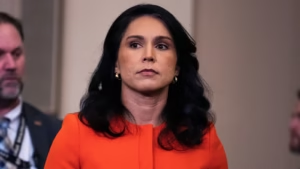
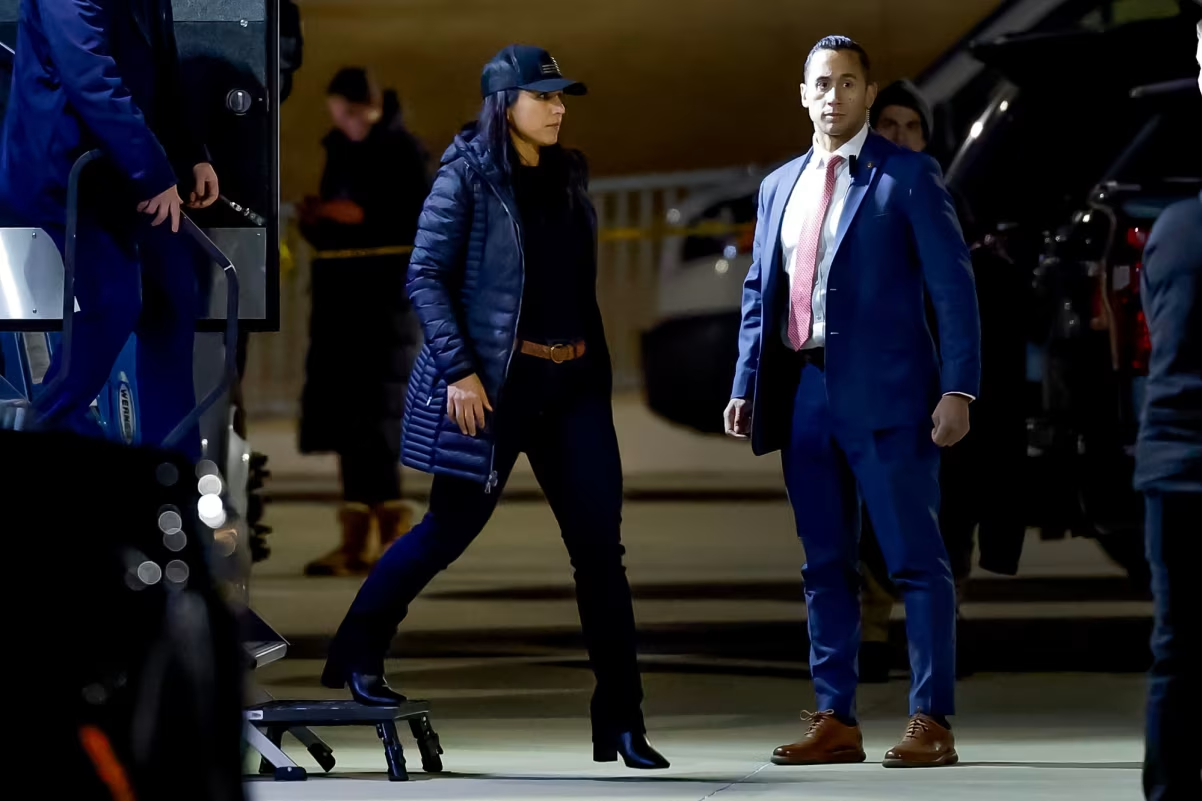
What made this event extraordinary is the presence of the Director of National Intelligence (DNI), Tulsi Gabbard, who typically oversees foreign intelligence rather than domestic law enforcement actions. Her appearance at an FBI raid tied to state election records sparked immediate criticism from lawmakers who questioned why a top intelligence official was involved in what many see as a domestic political issue.
Democrats, including Senators Jon Ossoff and Mark Warner, demanded answers and oversight, with some leaders suggesting the presence of the DNI at a law enforcement operation was unprecedented and politically charged. Supporters of the raid, including members of the Trump administration, defended Gabbard — saying her involvement was tied to election security and national integrity concerns.
The Legal and Political Stakes
While the FBI insists the search was “court authorized,” legal experts are weighing in on whether seizing ballots and sensitive records could violate legal norms or election law protections. Critics argue this could set a dangerous precedent of federal overreach, especially in a space where state and local officials traditionally manage elections.
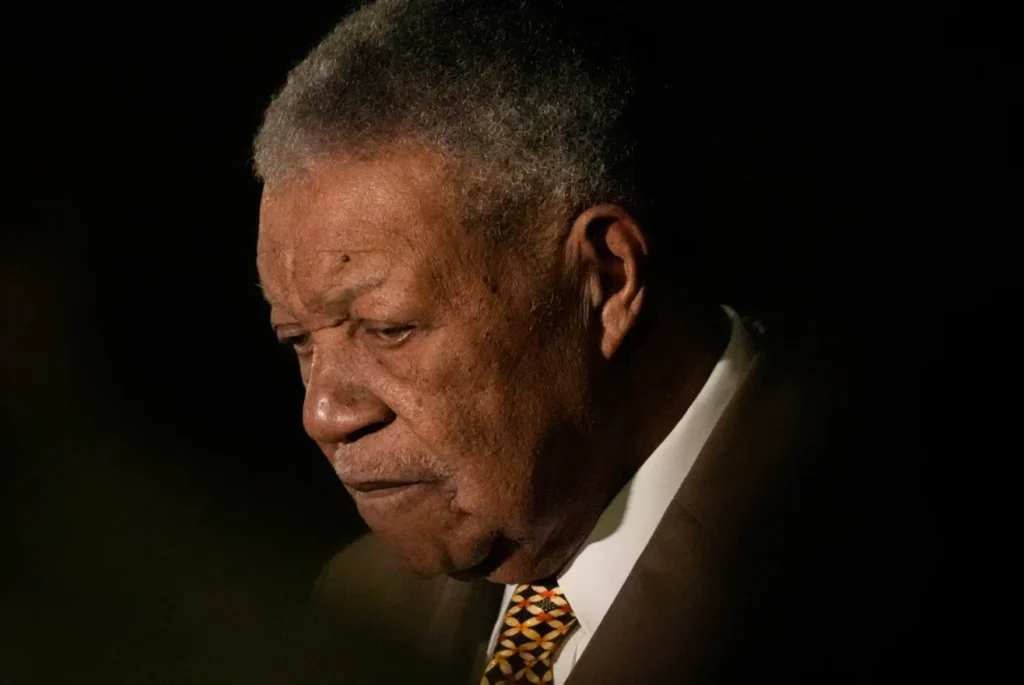
Supporters claim it’s a lawful effort to ensure no illegal retention or manipulation of election materials. This clash highlights a broader national debate over how far federal agencies should go when investigating past elections — especially ones that have already been audited and litigated.
Impact on Public Trust and Upcoming Elections
This incident strikes at the heart of public confidence in electoral systems. Many voters already feel distrustful after years of conflicting claims and legal battles over the 2020 election, and this raid could further polarize opinions.
With the 2026 midterms on the horizon, political analysts warn that how this story evolves — especially the framing of Gabbard’s involvement — could influence voter sentiment and turnout. Some Democratic leaders view the raid as intimidation, while Republicans and allies see it as an overdue investigation.
Why This Matters Now: A Turning Point
This isn’t just a local Georgia story — it reflects a larger question about the integrity of U.S. elections, the role of federal agencies, and how political influence intersects with law enforcement and intelligence functions.
If the public perceives federal action as fair and justified, it could reinforce trust in institutions. But if seen as politically motivated, it may deepen skepticism and hinder civic participation — especially in tightly contested future elections.
What Comes Next
Investigations into the search’s legality are likely to continue, with congressional hearings possible and lawsuits expected from both defenders and critics of the operation. Meanwhile, Gabbard’s office has not fully clarified her role, leaving the nation waiting for more details from federal authorities.
As this story develops, how the media and public interpret these events will have major ramifications for trust in the electoral process and the rule of law in America.
Subscribe to trusted news sites like USnewsSphere.com for continuous updates.