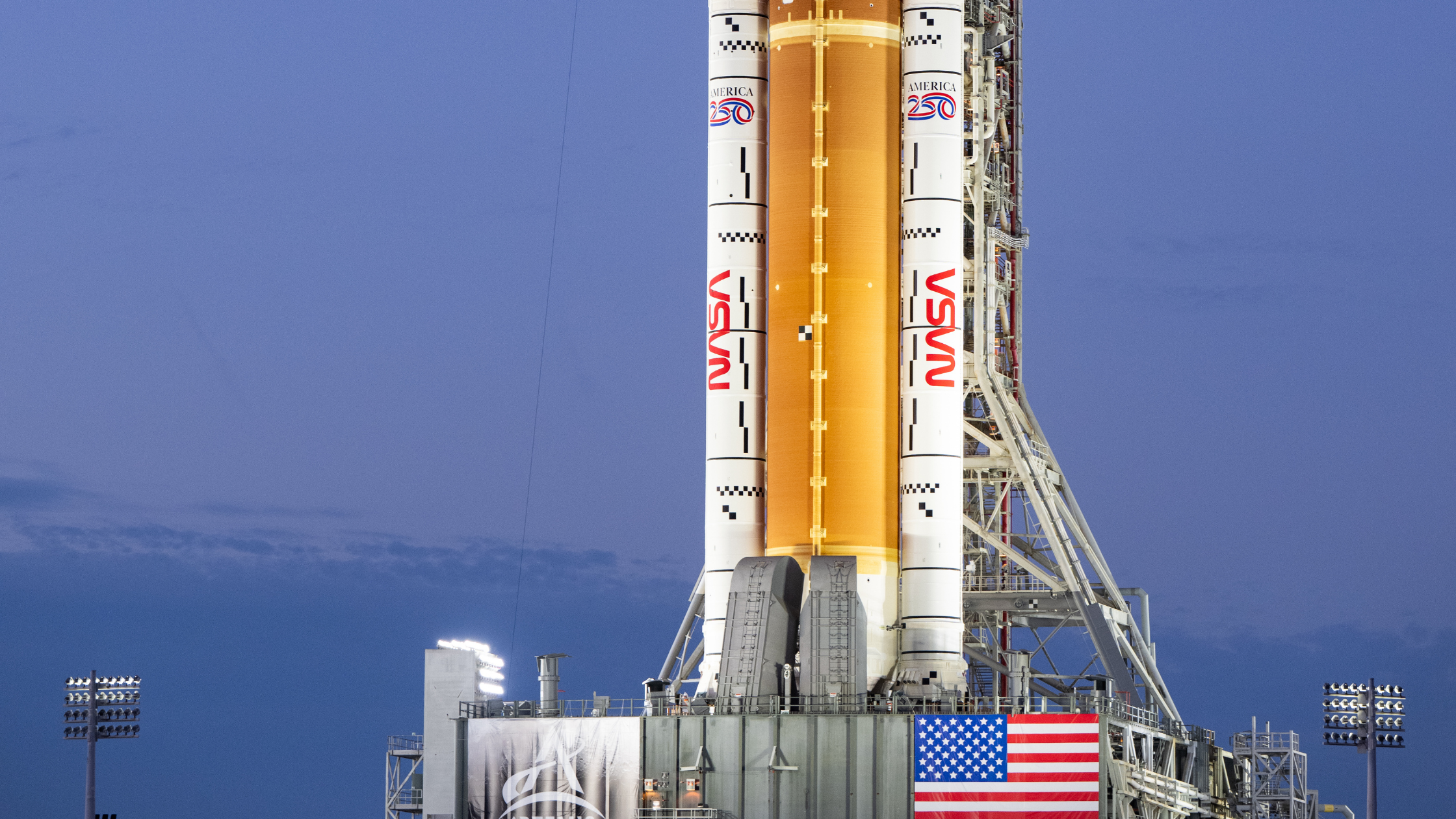
NASA is preparing to launch its most ambitious human spaceflight mission in more than 50 years, as the Artemis 2 crewed lunar mission rolls out to the launch pad at Florida’s Kennedy Space Center. This historic flight will carry four astronauts around the moon and back, testing key systems in deep space ahead of future lunar landings and Mars journeys. Why this matters now: after years of development and delays, Artemis II represents humanity’s next giant leap in space exploration, setting the stage for sustained activity on and around the moon.
The mission will not land on the moon, but will send humans farther into space than any have traveled since Apollo. NASA has scheduled the launch as early as February 6, 2026, with a window of possible dates in February and beyond, based on readiness and orbital conditions.
Historic Crewed Lunar Fly-Around: What to Expect
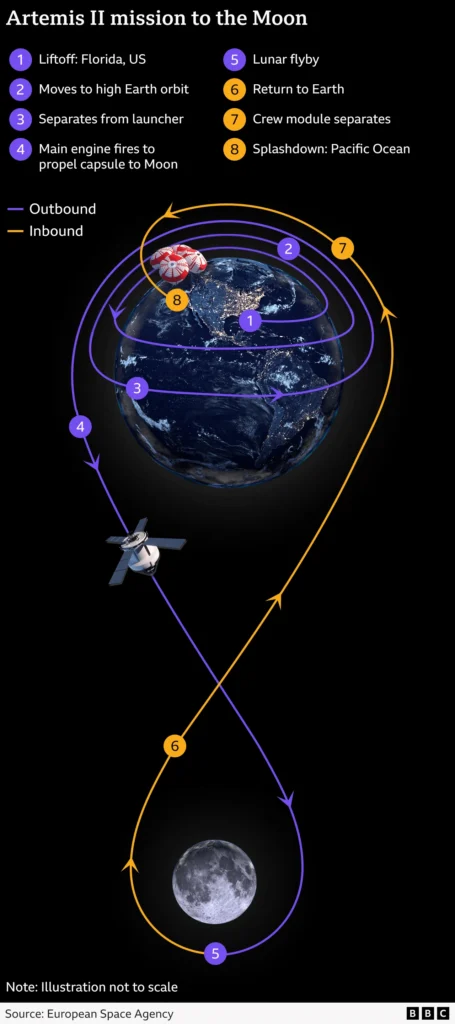
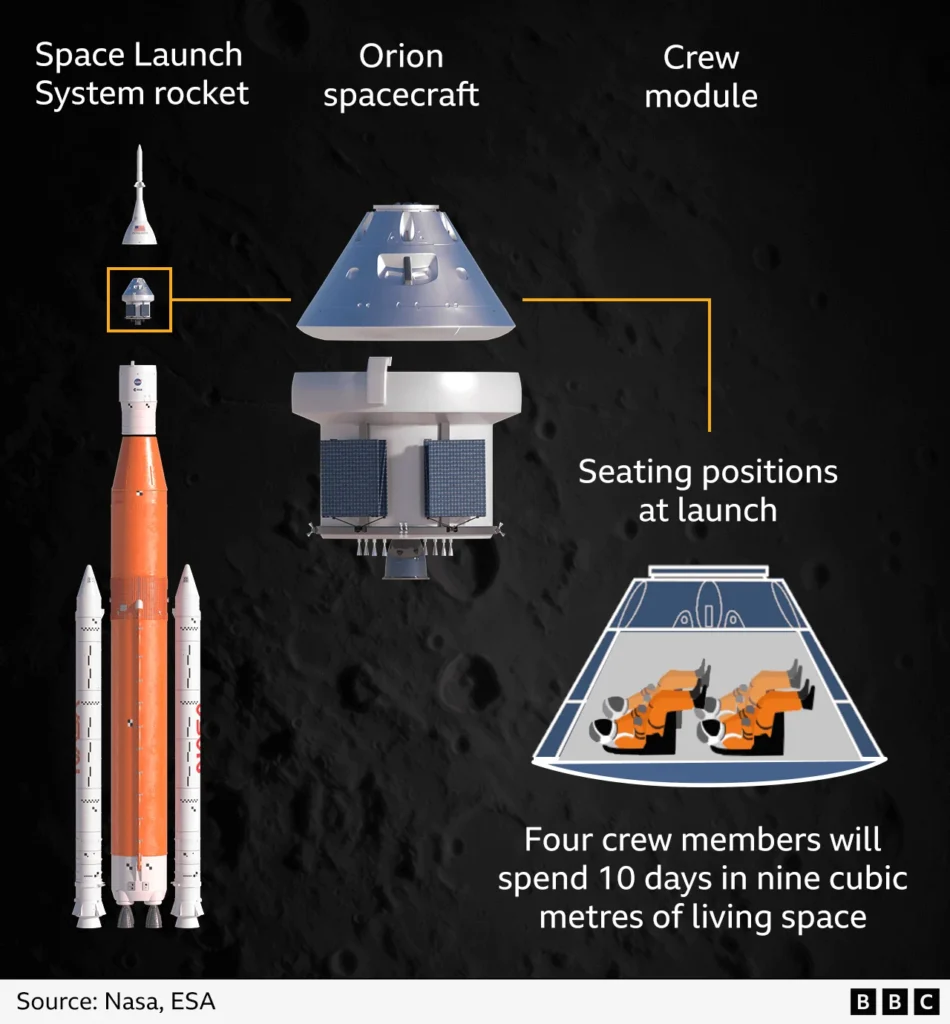
The Artemis II mission will carry four astronauts aboard the Space Launch System (SLS) rocket and Orion spacecraft on a roughly 10-day journey around the moon and back to Earth. This will be the first time humans leave low Earth orbit since the Apollo era, nearly six decades ago.
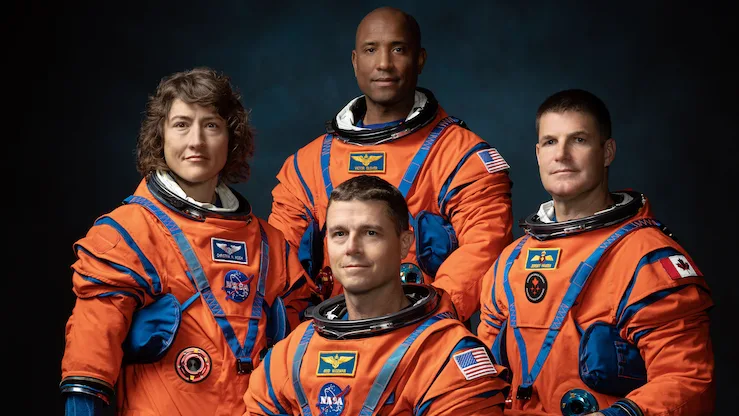
The crew includes experienced NASA astronauts Reid Wiseman, Victor Glover, and Christina Koch, as well as Canadian Space Agency astronaut Jeremy Hansen. Koch will become the first woman to travel beyond low Earth orbit, and Hansen the first Canadian to do so.
During the flight, astronauts will test life support, navigation, communications, and emergency systems, ensuring that Orion and SLS can support even more ambitious missions in the future.
Rollout and Pre-Launch Preparations
In mid-January 2026, NASA engineers began rolling the massive Artemis II rocket — standing about 322 feet tall — from the Vehicle Assembly Building to Launch Complex 39B, a 4-mile slow crawl that took several hours. This is a major milestone in the run-up to liftoff.
At the launch pad, technicians will conduct essential wet dress rehearsals — fueling the rocket with cryogenic propellants and rehearsing the countdown — to ensure safety and readiness. A final flight readiness review will decide the exact launch date within the planned February launch window.
Why This Matters: A Step Toward Lunar Presence
Artemis II is not just a single mission; it’s part of a broader lunar exploration plan. Unlike the uncrewed Artemis I test flight in 2022, this mission includes humans and will push NASA’s capabilities further than before. Successful operations around the moon are critical before NASA attempts a lunar landing under Artemis III and future missions that might build bases on the moon’s surface.
This mission also tests technologies and procedures that could eventually support missions to Mars and deeper space, making it a cornerstone in long-term human space exploration goals.
Scientific and Global Impact
Beyond engineering checks, the Artemis II mission carries scientific gear and experiments designed to monitor astronaut health and measure the effects of deep space travel — information crucial for future long-duration missions.
The mission’s success will also have geopolitical significance. As nations like China aim for moon landings by the end of the decade, advancing U.S. lunar exploration strengthens America’s leadership in space science and exploration.
What Happens After Artemis II?
After returning from the lunar fly-around, the Artemis II crew will splash down in the Pacific Ocean and undergo extensive post-flight evaluations. These tests include simulated spacewalks and systems checks to prepare for even larger missions.
Meanwhile, NASA is refining plans for Artemis III, the first crewed moon landing of this new era, which is currently targeted for around 2027 or later and may involve partners like SpaceX or other companies.
The Artemis II mission marks a defining moment in space exploration. With its rocket at the launch pad and a talented crew ready to go, NASA is on track to send humans deeper into space than ever before since the Apollo era. This pivotal mission not only advances scientific knowledge and engineering prowess but also reestablishes humanity’s commitment to returning to the moon and going beyond.
Subscribe to trusted news sites like USnewsSphere.com for continuous updates.