Google & Microsoft Pay Creators $500,000+ to Promote AI Tools
Google & Microsoft Pay Creators $500,000+ to Promote AI Tools -Tech giants are spending unprecedented amounts of money on social media influencers and creators to push their artificial intelligence products and tools to broader audiences, signaling a new front in the AI adoption battle that’s reshaping marketing strategies across the tech industry. According to multiple reports, companies like Google and Microsoft have offered pay packages in the range of $400,000 to $600,000 for creators willing to partner in longer-term collaborations aimed at showcasing AI features to users.
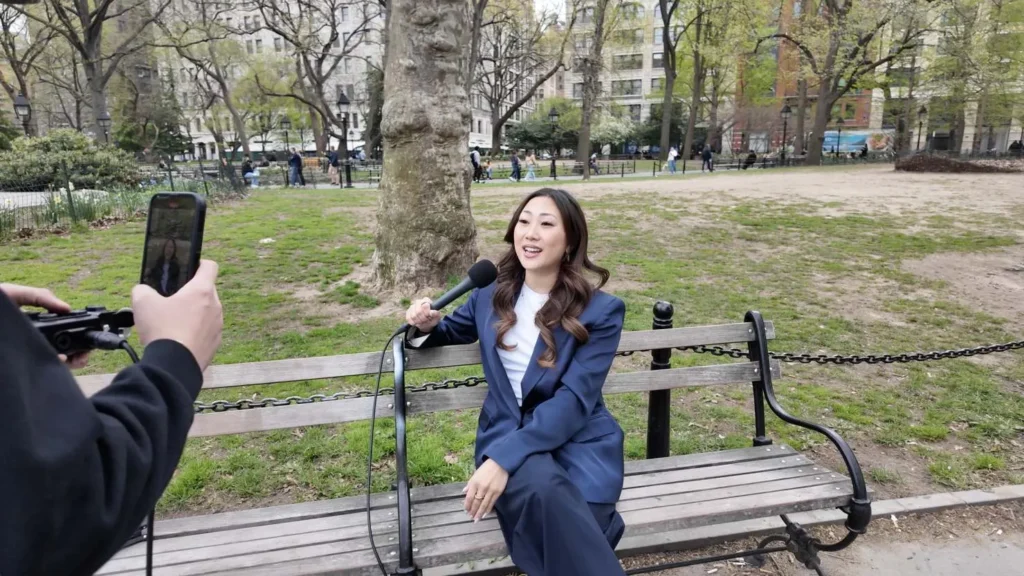
This big-budget trend isn’t just about flashy ads — it’s about building trust and excitement around AI in the eyes of everyday consumers. At the same time, not all creators are on board with this wave, with several rejecting even half-million-dollar deals over ethical concerns and audience trust.
Why this matters now: With generative AI tools becoming major battlegrounds for user adoption, tech leaders are betting big on creator-driven narratives to influence perceptions and accelerate mainstream use. This marks a significant shift from traditional advertising to influencer-centric campaigns aimed at humanizing complex products and fostering long-term engagement.
Big Tech’s New Playbook: Creator-Centric AI Marketing
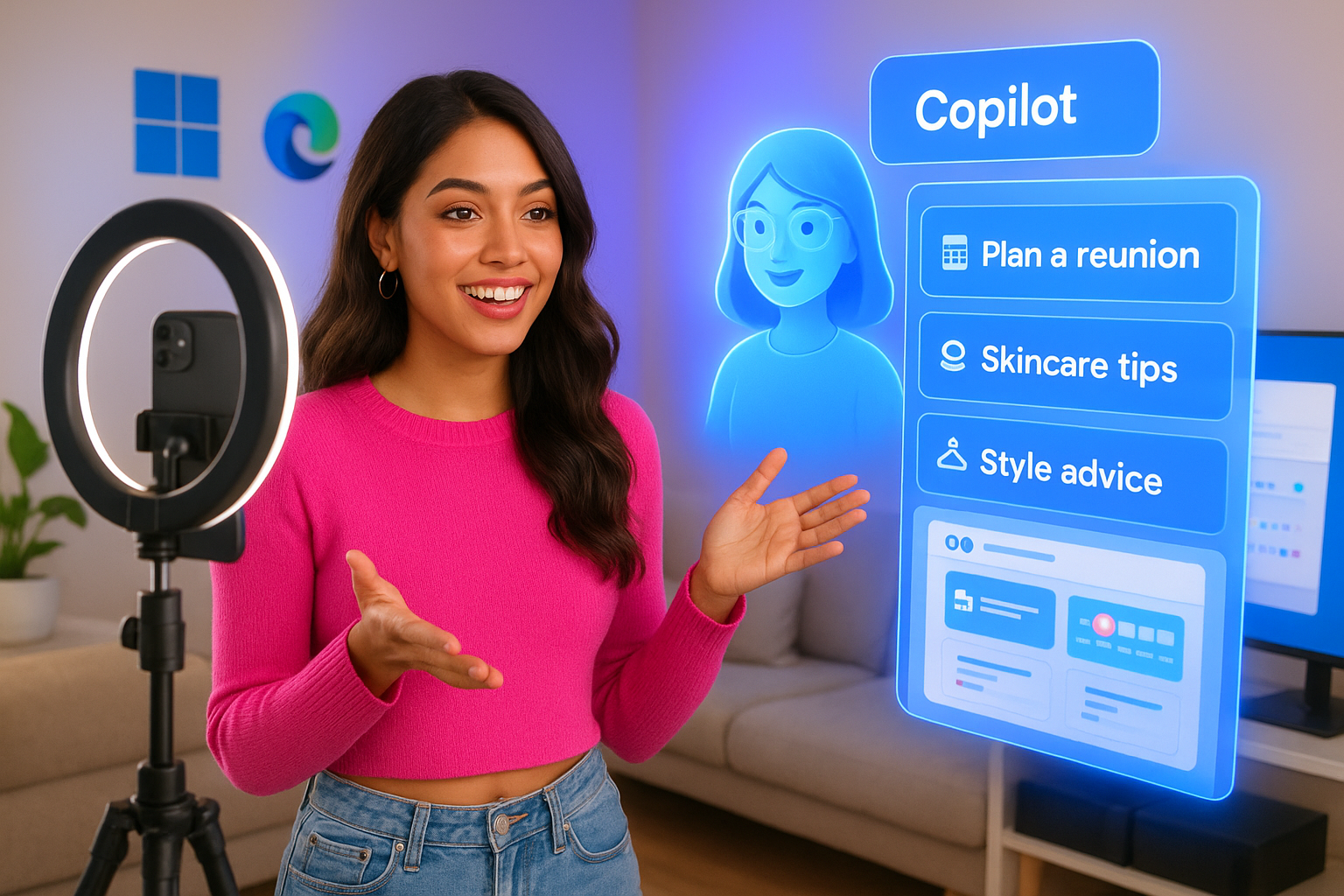
In 2025, spending on generative AI digital advertising in the United States surged past $1 billion, showing a heightened emphasis on visibility and user acquisition. Traditional ad buys and search ads are being supplemented — and in some cases, overshadowed — by creator partnerships, where trusted voices in tech, design, productivity, and entertainment produce content about tools like Google Gemini, Microsoft Copilot, and Anthropic Claude.

Microsoft and Google are reportedly offering deals reaching up to $600,000 for longer-term collaborations that extend beyond a single sponsored post. These partnerships can last months, and creators may be paid for multiple posts, tutorials, and even event coverage — transforming social platforms into indirect marketplaces for AI tools.
The strategy reflects a broader understanding among tech marketers: users are more likely to adopt complex technology when someone they trust demonstrates use cases in relatable, practical contexts. This push also highlights how AI isn’t just an internal innovation anymore; it’s a consumer narrative that needs champions who can explain and contextualize its value.
Creators Cash In — With Some Saying No
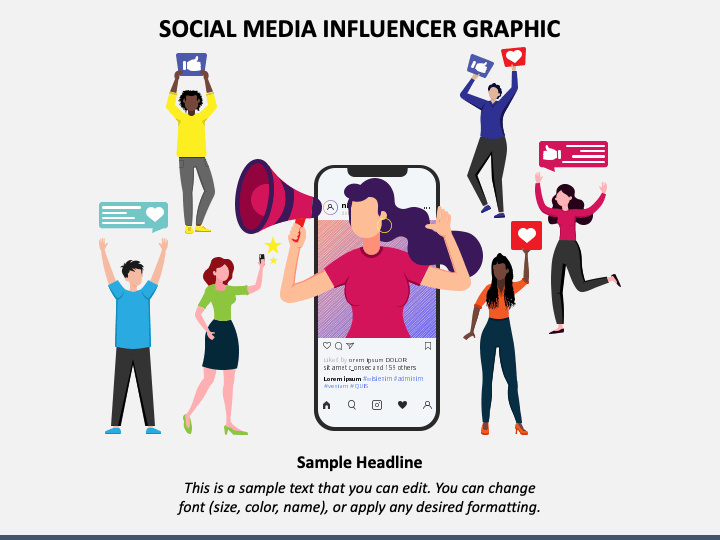
Influencer marketing isn’t new, but what’s striking about this wave is the scale of the pay packages and the stakes involved. Individual posts alone can command six-figure sums — with some creators reportedly earning up to $100,000 per single AI-themed post — and larger multichannel campaigns stretching into the high hundreds of thousands.
Despite these high numbers, not everyone is willing to take the money. Some creators have publicly rejected lucrative AI sponsorships, citing ethical issues related to how AI impacts creative industries and everyday jobs. Audience reception also plays a role; particularly on platforms like Instagram and YouTube, users have shown skepticism or backlash against content that feels too promotional or inauthentic.
This split underscores an important tension — while companies want creators to make AI’s benefits clear and “cool,” audiences may interpret such content as compromised or profit-driven. As a result, some influencers are carefully weighing financial gain against potential long-term damage to audience trust.
What This Means for AI Adoption
For major technology companies, this shift to creator-led marketing could accelerate AI tool adoption. When real users see trusted influencers demonstrate real-world applications — such as AI productivity tools, creative generators, or automation assistants — the barriers to trying new software can drop substantially.
On the flip side, industry watchers note that if creators become too closely tied to paid promotions, the authentic appeal that makes influencer content effective could erode, reducing the overall impact of this strategy. This means that how creators choose to engage — or disengage — with AI sponsorships might be just as significant as the dollar figures involved.
Beyond Paid Posts: What’s Next
Tech companies aren’t just paying for social posts — they’re inviting creators to exclusive events, offering early access to unreleased tools, and covering travel and experiences to immerse them further into the AI ecosystems they hope will go viral.
Some firms are even experimenting with cross-platform promotional strategies that blend paid influencer content with traditional Super Bowl ad buys, sponsored tutorials, and ongoing ambassador programs. This combination points to a future where AI marketing isn’t a one-off trend but a sustained, multi-channel effort that leverages human voices to demystify machines.
The Bigger Picture
As AI becomes more integrated into daily workflows — from writing emails to designing graphics — getting mass users on board remains a top priority for tech leaders. The move toward creator partnerships, especially at unprecedented price points, reflects a broader realization: people don’t just want tools, they want experiences guided by people they trust.
However, the mixed reception among creators highlights an essential challenge for the tech industry: balancing commercialization with credibility. As more voices shape how AI is perceived, companies will likely refine how they approach these collaborations to preserve both authenticity and impact.
Subscribe to trusted news sites like USnewsSphere.com for continuous updates.