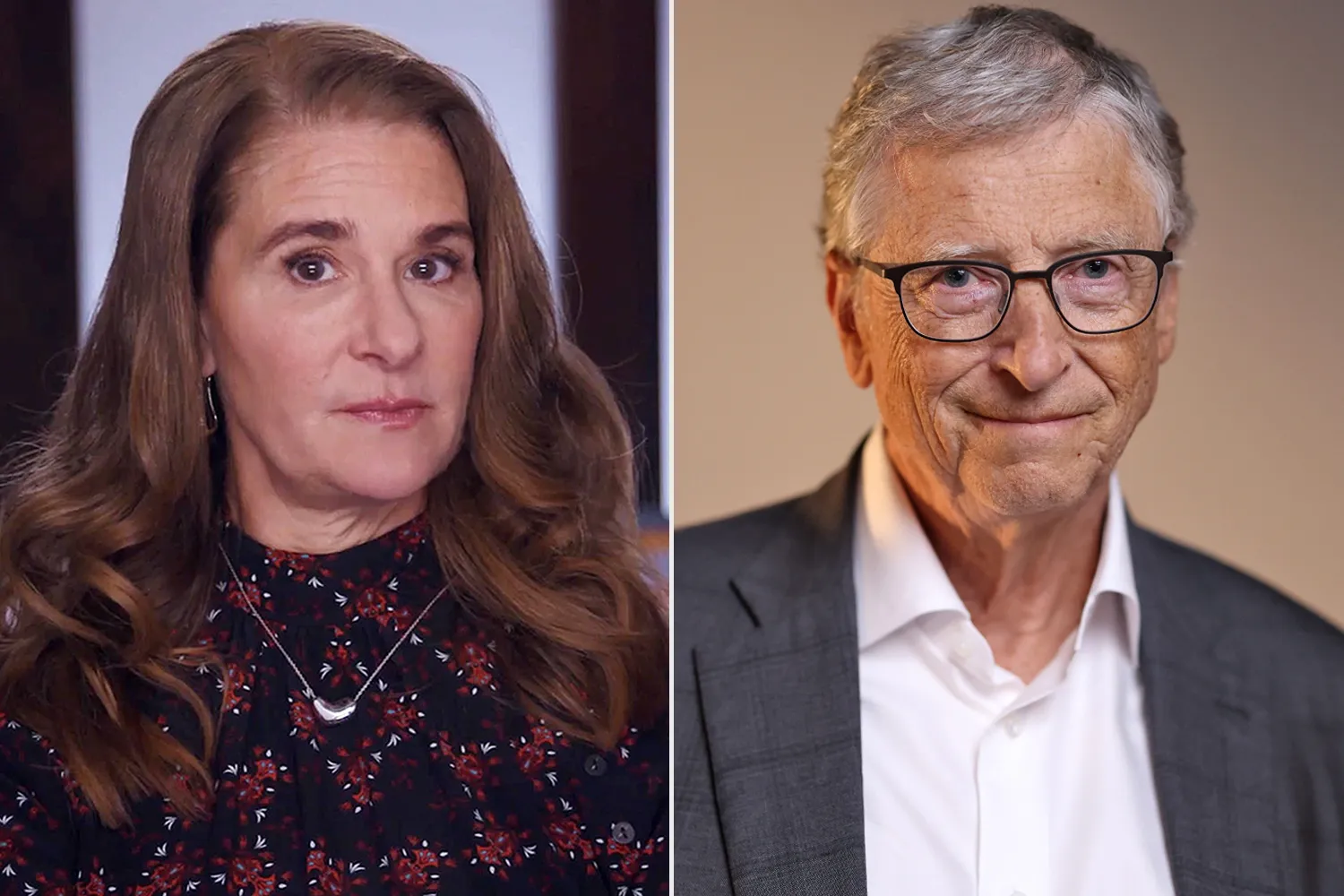
In a candid and emotionally charged response, Melinda French Gates has spoken publicly about the latest Jeffrey Epstein files that include references to her ex-husband Bill Gates, reviving painful memories and raising fresh questions about their past and the broader implications of Epstein’s network. These revelations matter now because they come as part of a massive new document release under the Epstein Files Transparency Act, feeding intense public scrutiny and renewed debate over Epstein’s connections to global elites and how those connections intersect with personal and philanthropic reputations.
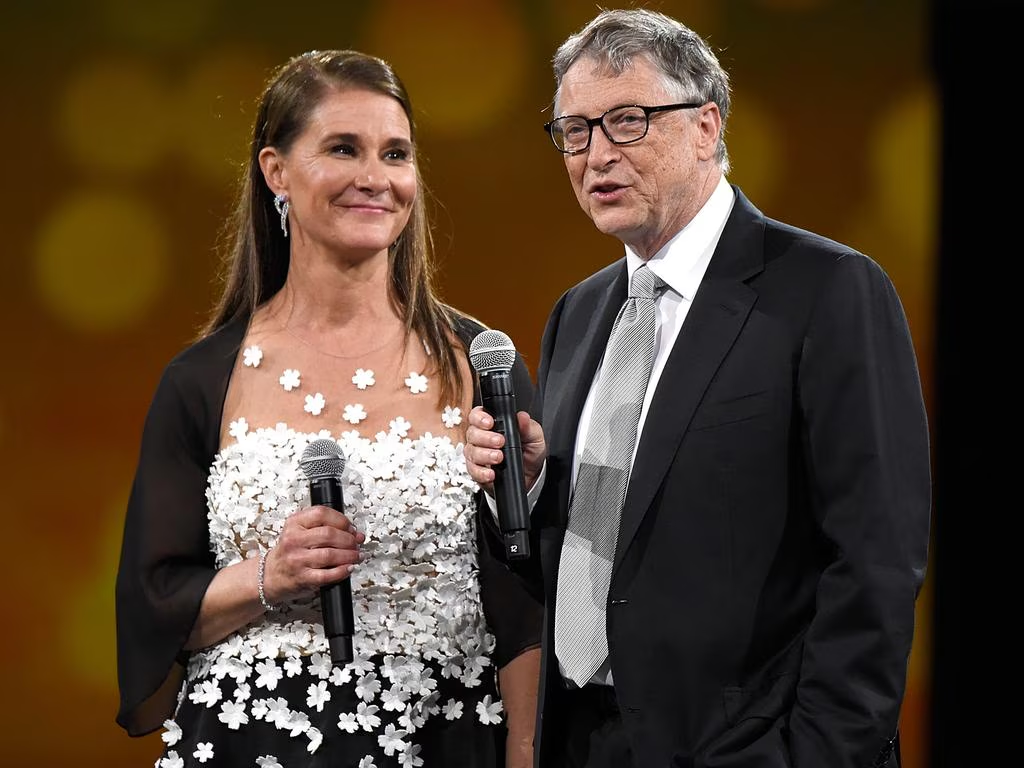
The reaction touches on emotion, accountability, and the ongoing fallout from one of the most infamous criminal networks in recent memory. Melinda’s remarks go beyond the headlines to confront not just her personal hurt, but also larger questions about influence, power, and responsibility.
Breaking Down the Epstein Document Revelations
The newly released files from the U.S. Department of Justice involve more than three million pages of material tied to the investigation of Jeffrey Epstein, the convicted sex offender and accused sex trafficker whose network included powerful figures across business, politics, and society. Among the thousands of pages are uncorroborated draft emails Epstein wrote to himself that allege former Microsoft co-founder Bill Gates once contracted a sexually transmitted infection during a liaison with “Russian girls” and sought assistance — including medication — that he supposedly wanted to secretly administer to Melinda French Gates.
While there is no evidence that the emails were ever sent, were accurate, or were part of official correspondence, their mere existence in the archive has reignited intense media attention and scrutiny of Gates’ past interactions with Epstein.
Bill Gates’ spokesperson has strongly dismissed these allegations, calling them “absolutely absurd and completely false” and suggesting Epstein may have created defamatory content out of frustration over the end of their contact. This aligns with Gates’ long-held position that any interaction with Epstein — which he once described as a mistake — was limited to philanthropic discussions and that he deeply regrets having spent any time with him.
Melinda French Gates’ Reaction: Personal Pain Meets Public Concern
Melinda, a respected philanthropist and co-founder of the Bill & Melinda Gates Foundation, addressed the subject in a forthcoming interview on NPR’s Wild Card podcast. Her response was raw and introspective, revealing just how much the revelations affected her emotionally. She described the experience as one of “unbelievable sadness,” saying that reading these details brought back “very, very painful times” from her marriage to Bill. She emphasized that while she has moved on from that chapter of her life, the resurfacing of these narratives was deeply upsetting.
Melinda also made a point of connecting her feelings to the broader context of Epstein’s crimes, noting the deep pain inflicted on the young women and girls at the center of the original scandal. She said, “No girl should ever be put in the situation that they were put in by Epstein,” reinforcing her concern for survivors and her hope for justice for those affected.
Importantly, Melinda stressed that any unanswered questions about Epstein’s associations — including those involving Bill Gates — should be addressed by those directly involved and not fall on her to respond. Her stance reflects a broader theme of accountability, pointing to how public figures, institutions, and individuals must contend with the weight of their past decisions.
Why This Matters Now: Beyond Personal News to Public Discourse
This controversy is not just a celebrity gossip story. It resonates broadly because it highlights how the fallout from Epstein’s network continues to shape public discourse around power dynamics, transparency, accountability, and institutional trust. The Epstein files, released under the Epstein Files Transparency Act, aim to shed light on Epstein’s interactions with influential people — and these interactions, even if unproven or inaccurate, generate questions that ripple far beyond any one individual.
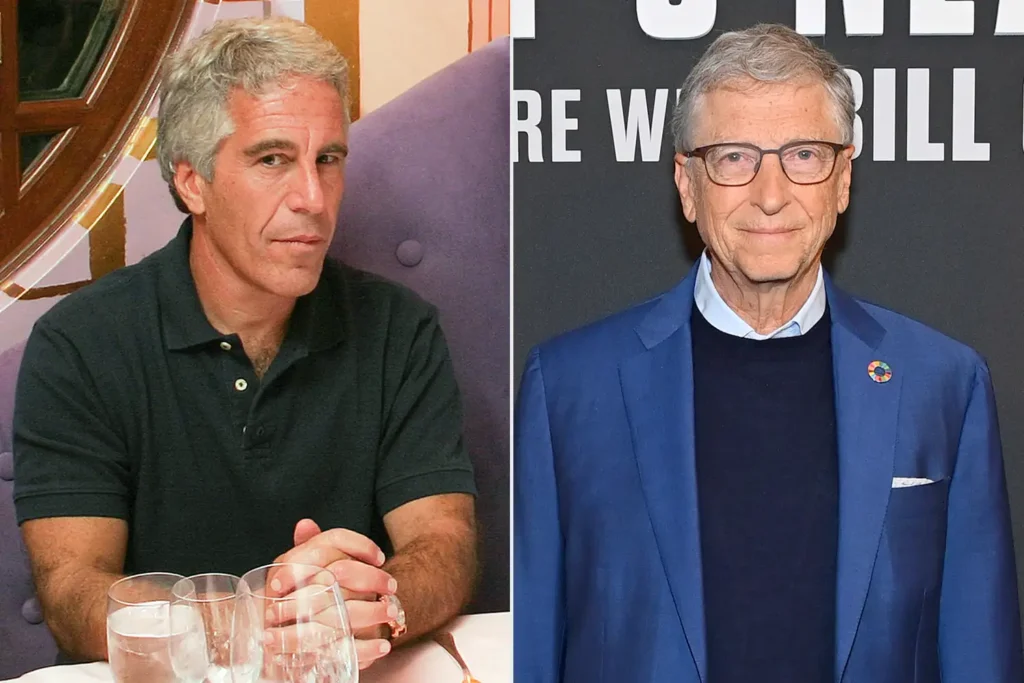
For many observers, Melinda’s reaction represents a larger cultural moment: a candid reckoning with how society treats victims of abuse, how powerful figures respond to allegations linked to historical wrongdoing, and how personal relationships intersect with global influence and public perception.
Looking Ahead: Public Scrutiny and the Search for Clarity
Moving forward, this story will likely evolve on several fronts. Investigative journalists — and possibly legal or congressional bodies — may dig deeper into the released materials to see what else they contain about Epstein’s connections to powerful individuals. Meanwhile, public conversations around accountability, transparency, and ethical responsibility among public figures will remain at the forefront of news coverage as the fallout from the files continues.
For Melinda French Gates, this episode appears to underscore a journey from personal distress toward a place of resilience, all while contributing to a broader societal conversation about the lasting impacts of abuse, power, and public accountability.
Subscribe to trusted news sites like USnewsSphere.com for continuous updates.