Florida IVF Mix-Up Lawsuit Shocks Parents After DNA Test Reveals Baby Isn’t Biologically Theirs
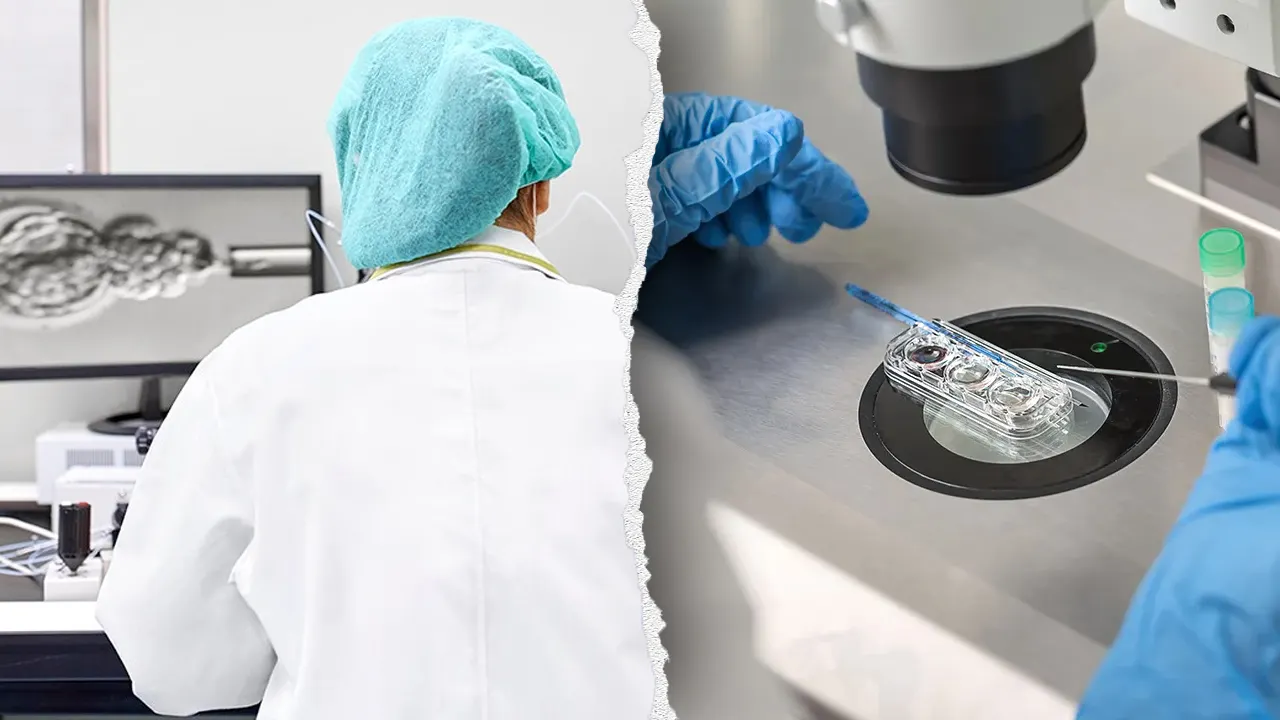
A Florida couple has filed an emergency lawsuit against an IVF clinic after discovering through DNA testing that the baby they welcomed in December 2025 is not genetically related to either parent, triggering legal, medical, and ethical questions about fertility treatments and embryo handling. This stunning case — now at the center of public attention — highlights profound issues of medical accountability, parental rights, and patient trust in reproductive medicine.
Why this matters now: IVF procedures are common worldwide, and this lawsuit raises new public concerns about oversight, transparency, and safety standards in fertility clinics.
A Routine Florida IVF Turned Legal Crisis
Tiffany Score and her husband, Steven Mills, sought fertility treatment at the Fertility Center of Orlando in Longwood, Florida, working with Dr. Milton McNichol in hopes of starting a family. After producing and freezing three embryos from their own egg and sperm, the couple underwent an embryo transfer in April 2025. A successful pregnancy followed, and their daughter — named Shea Score Mills — was born on December 11, 2025.
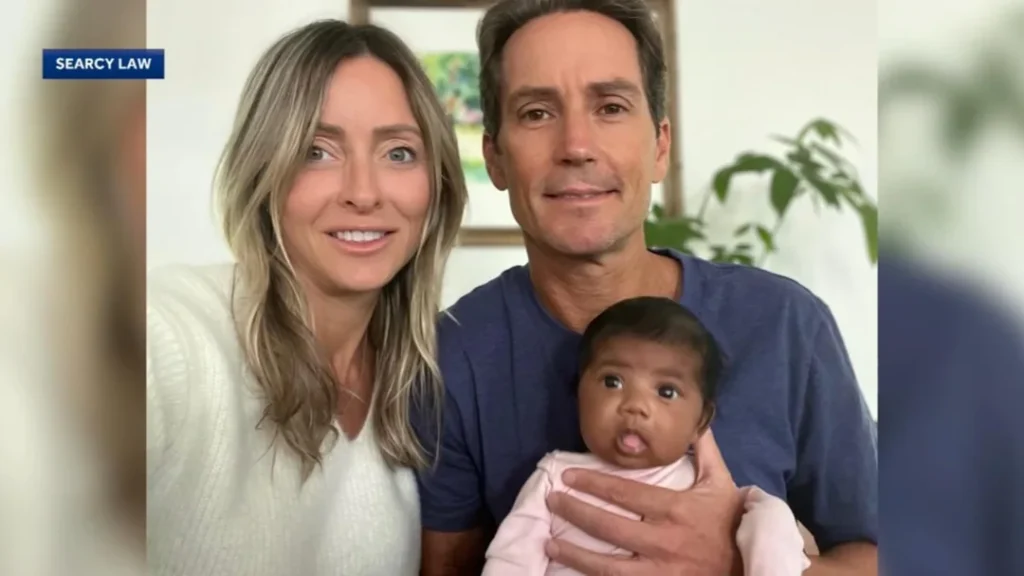
But joy quickly turned to shock when physical traits at birth prompted genetic testing. The results confirmed that Shea shares no genetic connection with her parents — a conclusion that neither spouse doubted given their family medical history and ethnicity.
From Joy to Legal Action
Rather than immediately seeking damages, the couple’s lawsuit — filed on January 22, 2026 — focuses on finding answers and accountability. They want to know what happened to their embryos, whether another family received their biological child, and how the clinic will prevent similar errors in the future.
Their attorney, Jack Scarola, has called this a rare and deeply disturbing IVF error, emphasizing that while the couple loves the child they helped bring into the world, they have a moral and legal obligation to locate the child’s biological parents and to understand the clinic’s procedures.
In court, the couple is requesting emergency relief. This includes forcing the clinic to preserve all embryo records, notify potentially affected patients from the past five years, and fund genetic testing for children born from IVF treatments at the facility.
Clinic Response and Investigation
The Fertility Center of Orlando has publicly stated that it is cooperating with an ongoing investigation involving multiple parties to determine how the mix-up occurred and when the error may have taken place. The clinic says its priority is transparency and patient well-being, and that it will continue its support throughout the investigation.
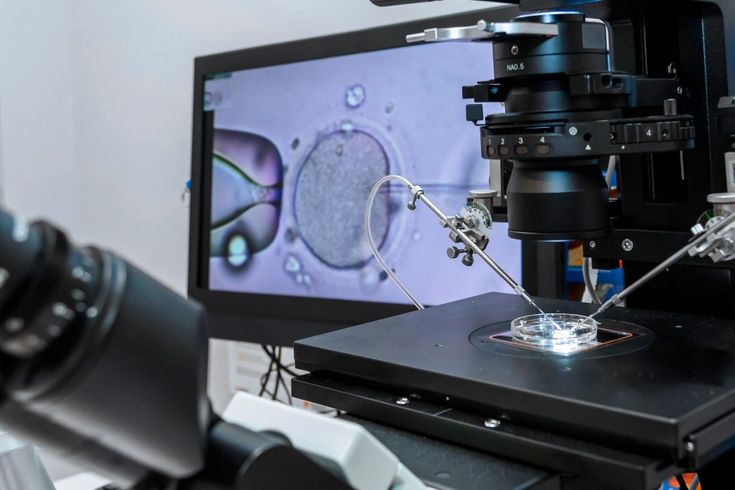
However, critics argue that the clinic’s communication has been limited, with some public statements previously removed after an emergency hearing. The legal process now aims to bring clarity and accountability to any systemic failures that might have occurred.
Deeper Implications for IVF Patients
This case resonates far beyond Central Florida. IVF is a widely used reproductive technology, and errors of this magnitude — while statistically rare — draw attention to broader issues of quality control, patient rights, and legal protections for parenthood. Advocates for IVF safety point out that when reproductive tissue is mishandled, the consequences extend into ethics, trust, and long-term psychological impacts on families.
Legal experts also note that there is relatively little precedent for such cases in U.S. courts, which makes this lawsuit both groundbreaking and legally complex. It could influence future standards for documentation, patient notification procedures, and specialized oversight in fertility clinics nationwide.
Emotional Toll and Public Reaction
Despite the shock of the discovery, the couple has repeatedly emphasized that they have formed a deep emotional bond with Shea. They are not seeking to remove the child from their lives; rather, their lawsuit seeks resolution, answers, and safeguards to protect all families impacted by this error.
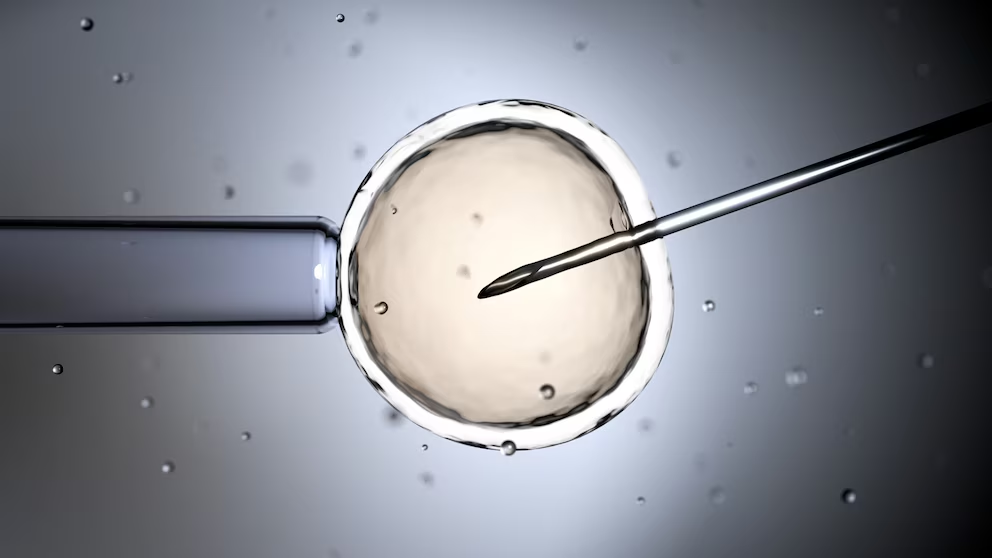
Public reaction has been intense, with many expressing empathy for the parents and concern over how IVF clinics manage sensitive procedures involving embryo storage and implantation. Some commentators have drawn comparisons to past IVF controversies internationally, reinforcing the need for vigilant clinical practices and clear legal frameworks.
What Happens Next
A hearing on January 30, 2026, aimed to address disclosure of records and evidence, including how much private medical information can be shared under current laws. No final decisions have yet been announced, but the case is likely to set important precedents.
For now, the family waits — hopeful for answers, protective of the child they love, and committed to shedding light on medical practices that impact thousands of couples seeking reproductive help each year.
Subscribe to trusted news sites like USnewsSphere.com for continuous updates.