The measles resurgence in South Carolina is now the largest U.S. outbreak since the disease was declared eliminated in 2000, signaling a significant public health reversal that could cost America its measles-free status.
Health authorities report that hundreds of confirmed measles cases — driven largely by low vaccination rates — have exploded across Spartanburg and neighboring counties, infecting both children and adults.

This outbreak is not isolated: dozens of outbreaks across more than a dozen states are fueling a broader rebound of this virus, which had once been nearly eradicated in the United States.
What’s Driving the Measles Comeback
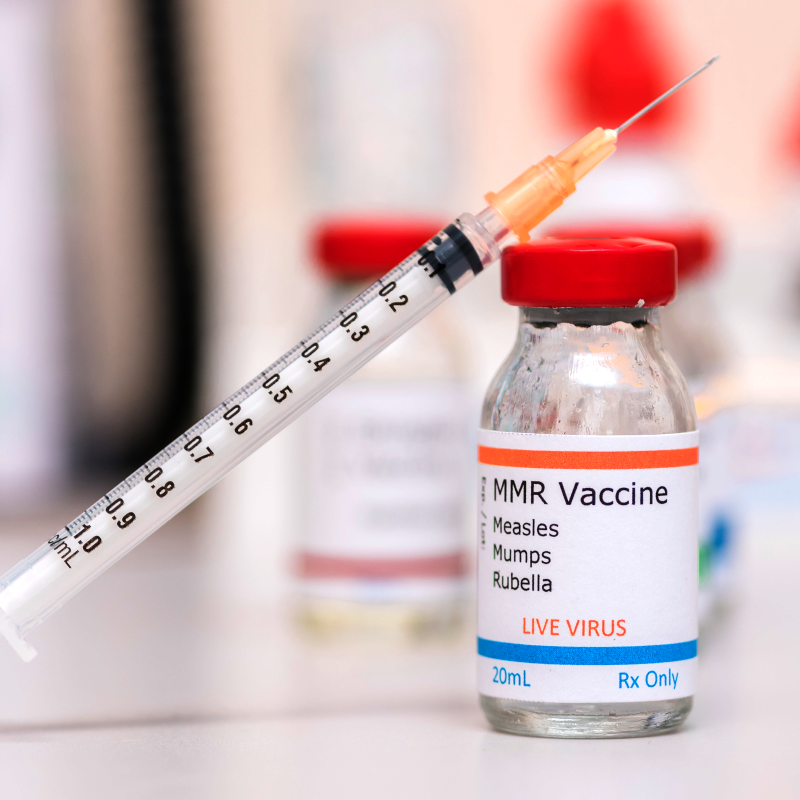
One of the core drivers of the current outbreak is declining MMR vaccination coverage (measles, mumps, rubella). According to federal data, vaccination levels among kindergarteners have fallen below the 95% threshold needed to keep measles transmission at bay.
Measles is extraordinarily contagious — so much so that an unvaccinated person can catch measles simply by being in the same enclosed space as someone infectious, even hours later.
Beyond vaccination coverage, travel and importation of cases also contribute. Measles continues to spread globally, and international travel increases the chance that an infected person brings the virus into unprotected U.S. communities.
Why This Matters Now
The outbreak in South Carolina has grown so large that experts warn the U.S. risks losing its measles elimination status — a designation it has held for more than two decades.
That matters because losing elimination status means measles is no longer rare in the U.S., indicating ongoing chains of local transmission rather than isolated importations, a threshold health authorities have long worked to avoid.
This resurgence carries serious implications for public health: measles can cause severe complications like pneumonia and encephalitis, particularly in young children and immunocompromised individuals.
How South Carolina Has Become Ground Zero
The outbreak began in Fall 2025, with the earliest cases linked to clusters of unvaccinated children in Spartanburg County.
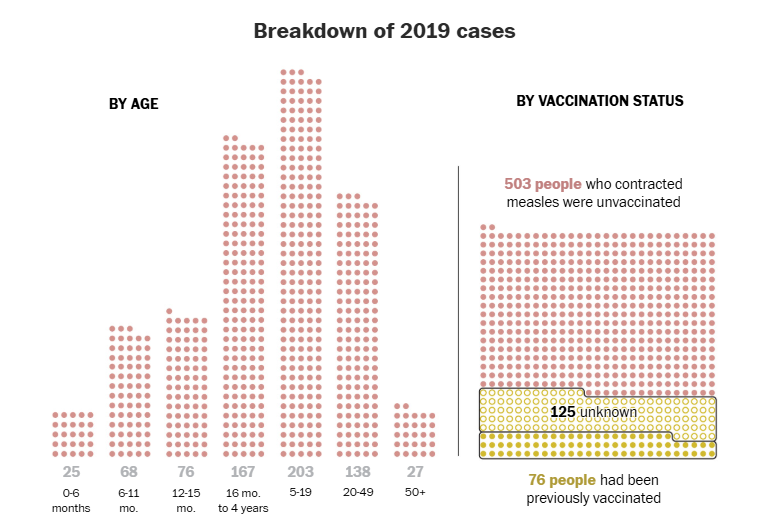
By late January 2026, South Carolina had reported 847 confirmed cases, with the vast majority among unvaccinated people. Public health officials have quarantined hundreds to stop the spread.
In contrast, fully vaccinated individuals account for only a small fraction of infections, confirming the protective value of the MMR vaccine.
National Spread and Broader U.S. Trends
State health departments and the U.S. Centers for Disease Control and Prevention (CDC) show additional outbreaks in states like Arizona, Washington, and North Carolina, among others.
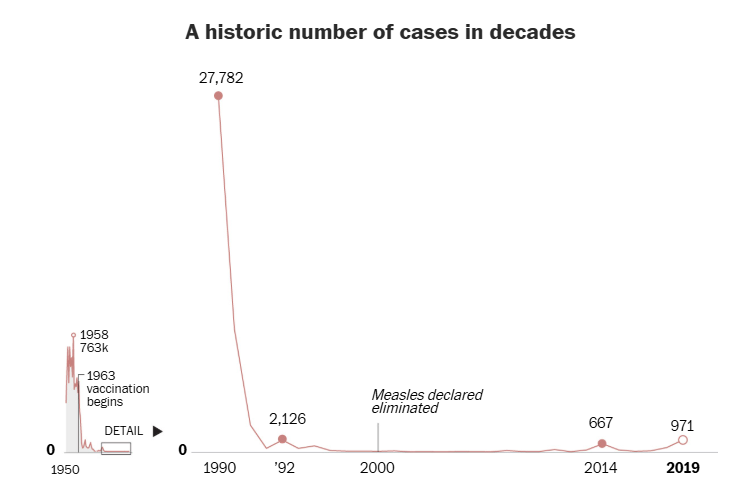
Across the U.S., total confirmed measles cases in 2025 reached record highs not seen since the early 1990s, and early 2026 figures continue that trend.
Experts caution that if vaccination levels remain low and community spread continues, more regions could see similar outbreaks.
What Officials Are Doing and Public Health Response
Public health officials are redoubling vaccination efforts, running outreach campaigns, and providing resources to parents and caregivers on the importance of MMR immunization.

Some localities are also reinstating stricter school immunization checks, and health departments are urging families to ensure children receive both doses of the MMR vaccine.
However, overcoming misinformation and vaccine hesitancy has proven challenging — and is central to why measles has resurged.
Measles Isn’t Gone — Not Yet
Measles was declared eliminated in the U.S. more than 25 years ago, but today’s outbreaks show how quickly progress can reverse if communities fall below vaccination thresholds.
The South Carolina outbreak is not just a local story — it’s a warning that the nation’s public health defenses must be reinforced. As health leaders work to curtail the spread, broader vigilance and immunization remain essential.
Subscribe to trusted news sites like USnewsSphere.com for continuous updates.