
In 2024, U.S. life expectancy climbed to a record high of 79 years, marking the longest average lifespan ever recorded in American history — and a pivotal turnaround after mid-pandemic declines. This milestone signals not only a rebound from the dramatic life expectancy losses seen during COVID-19 but also sustained improvements in deaths from heart disease, drug overdoses, unintentional injuries, and other long-standing health challenges.
U.S. residents now generally live longer than at any point in history — a trend driven by falling mortality across major causes of death, better public health responses, expanded access to preventive care, and continued progress against the opioid crisis. But while life expectancy has strengthened, the U.S. still trails many other wealthy nations, revealing broader public health imperatives that remain unresolved.
Why this matters now: After years of pandemic disruption, mental health crises, and drug fatalities, this shift underscores meaningful gains — yet also highlights persistent disparities in longevity compared with peer countries. These developments have deep implications for U.S. healthcare policy, aging populations, and national well-being.
Unprecedented Gains After Pandemic Decline
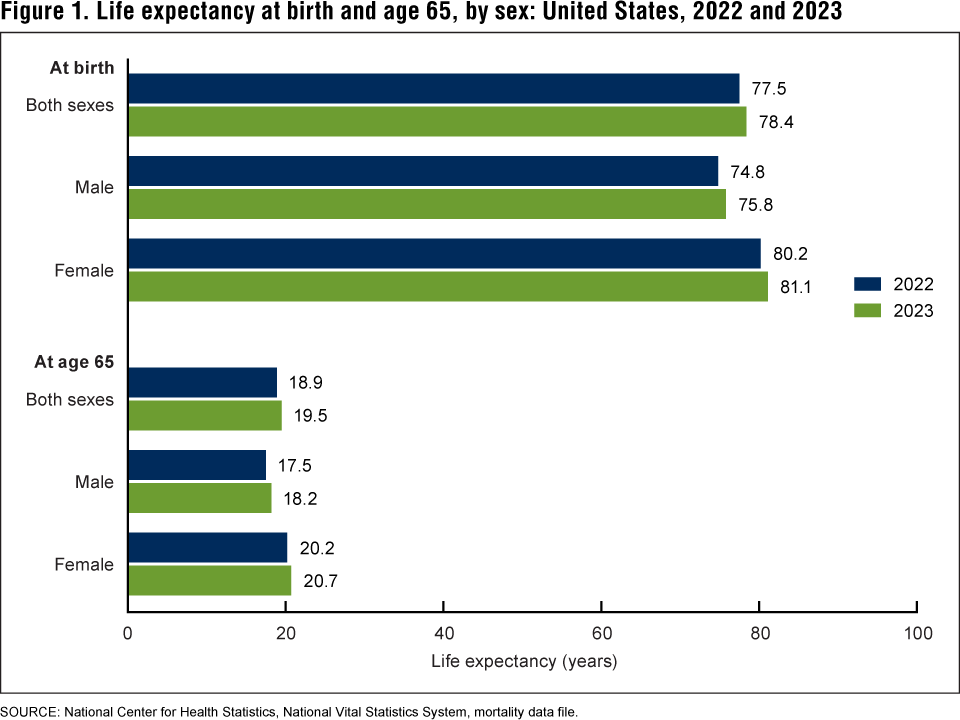
For much of the 20th century, life expectancy in the U.S. steadily rose, with setbacks only during major crises. The COVID-19 pandemic abruptly reversed this trend, pushing life expectancy down to roughly 76.1 years in 2021, the lowest level in decades.
Since then, federal health data show a rebound that’s stronger than many analysts expected. In 2024:
- Life expectancy climbed to 79.0 years — up about six-tenths of a year from 2023.
- Deaths from COVID-19 continued to decline sharply.
- Overall, nationwide death counts fell, with preliminary reports suggesting roughly 3.07 million deaths in 2024, about 18,000 fewer than in 2023.
This recovery isn’t random: strategic public health campaigns aimed at reducing overdose deaths and improving medical treatments across major diseases — particularly heart disease and cancer — played significant roles in elevating survival rates.
U.S. Life Expectancy: Leading Causes and Shifting Patterns
While average lifespan has grown, the leading causes of death in the U.S. remained consistent:
- Heart disease continues as the No. 1 cause
- Cancer remains the second leading cause
- Unintentional injuries, including drug overdoses, are a major contributor to mortality
Key shifts in 2024 included:
- Significant drops in drug overdose fatalities, a trend aligned with better access to treatment, harm-reduction tools like naloxone, and renewed focus on substance abuse programs.
- COVID-19 dropped out of the top 10 causes of death, replaced by suicide — even as suicide rates modestly declined.
These changes reveal a nuanced reality: while the pandemic’s direct effects have waned, mental health challenges and social determinants of health (such as economic stress and access to care) continue to shape mortality patterns.
Life Expectancy in the U.S. Context and Global Comparisons
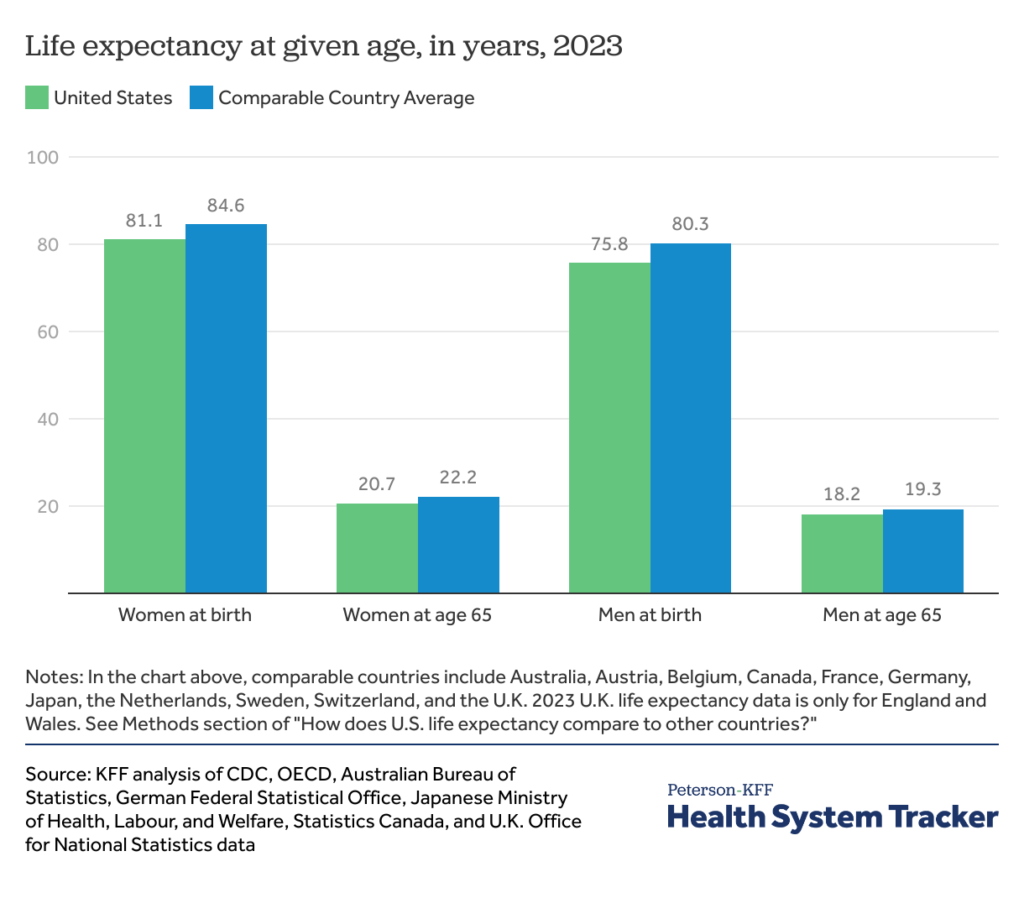
Despite this record single-year gain, the U.S. still falls behind many other advanced countries in overall life expectancy. For example:
- The OECD average life expectancy exceeds 81 years, led by Japan, Spain, and Switzerland.
- The U.S. often ranks well below peer countries on this social health metric despite spending more per capita on healthcare.
These disparities signal structural issues:
- Rising chronic disease burdens
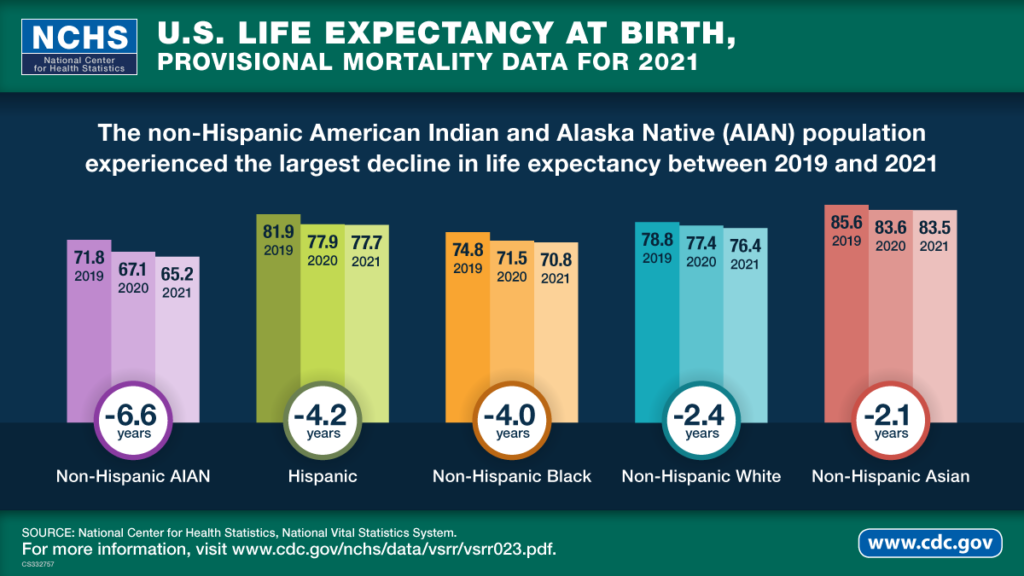
- Persistent racial and socioeconomic health gaps
- Differences in public health investments compared to peer nations
Yet the rebound from pandemic lows and reduction in overdose deaths illustrate that focused interventions can yield rapid, measurable improvements in population health.
Public Health Experts Weigh In
Health analysts and researchers frame 2024’s advance not as an abrupt cure, but as evidence of recovery momentum:
“Life expectancy gains reflect both the retreat of COVID-19’s impact and progress in lowering mortality from top killers,” one expert explained, noting that improvements were seen across racial, ethnic, and gender groups.
Importantly, this recovery followed years of intense effort in community health, disease prevention, and stronger emphasis on equitable care delivery — sectors public health leaders say must continue to expand.
Looking Ahead: Challenges and Opportunities
While 2024’s life expectancy milestone is historic, experts caution that:
- Future increases may face biological, social, and economic limits. Research suggests that without major breakthroughs in healthy aging and disease prevention, life expectancy gains may plateau.
- If social determinants like poverty, access to care, and lifestyle risk factors stagnate or worsen, the U.S. could see future reversals.
- Continued focus is needed on mental health, addiction, and chronic disease prevention.
Nevertheless, many public health leaders see the new data as a hopeful signal — a proof point that robust health policy and community interventions can extend life and improve quality of life across diverse populations.
Subscribe to trusted news sites like USnewsSphere.com for continuous updates.