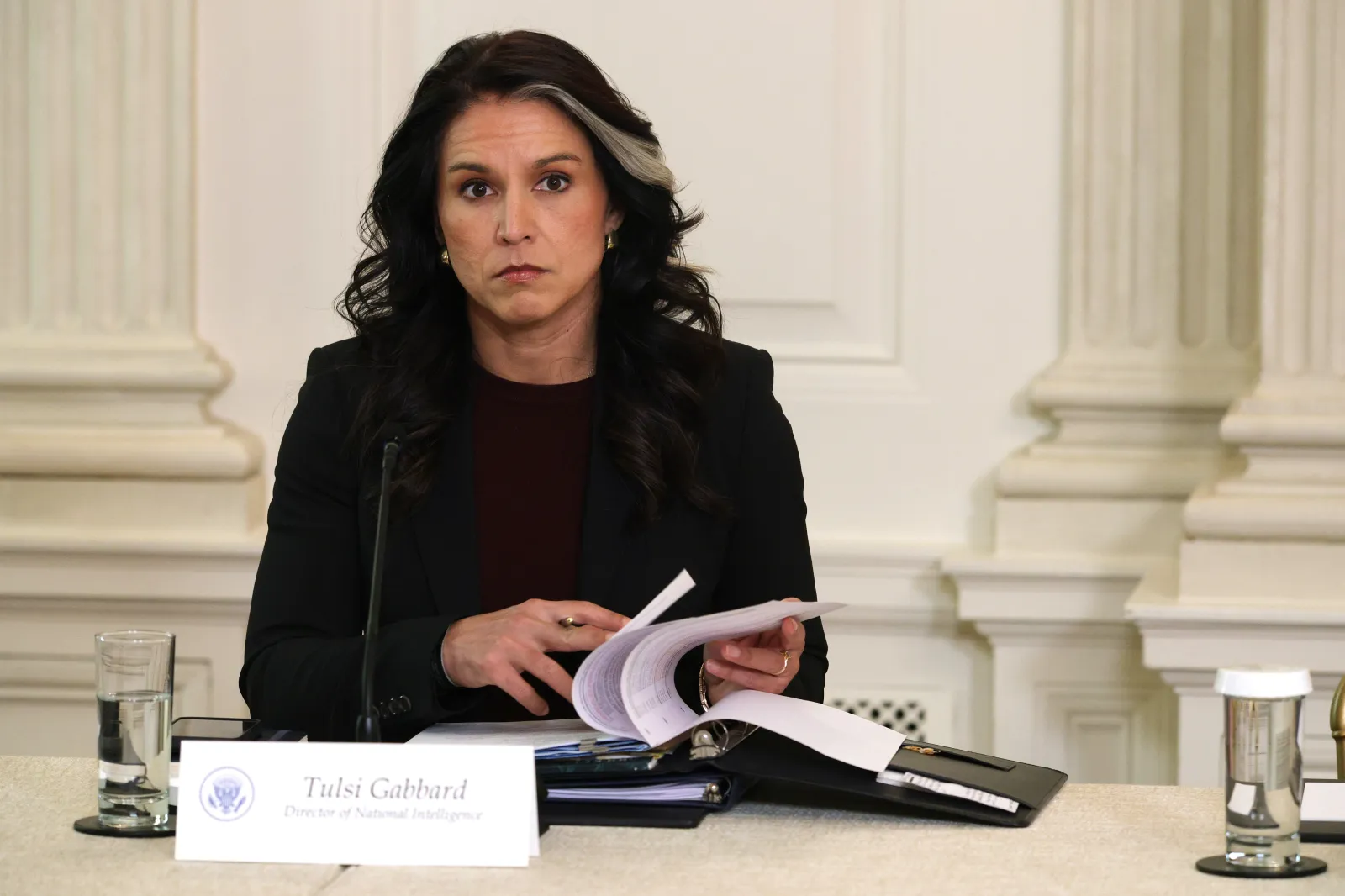
Tulsi Gabbard, now Director of National Intelligence (DNI), is at the center of a growing controversy as a highly classified whistleblower complaint alleging possible misconduct by her has been held back from Congress for roughly eight months — sparking fierce debate over transparency, legal obligations, and national security oversight. This unprecedented delay raises deep questions about how whistleblower complaints are handled at the highest levels of U.S. intelligence and why this matters now as lawmakers and watchdogs demand answers.

What the Whistleblower Complaint Alleges and Its Status
According to multiple reports and sources, a current or former U.S. intelligence official filed a whistleblower complaint against Gabbard in May 2025 through the Intelligence Community Inspector General (ICIG), which is the legally designated pathway for serious concerns within the intelligence agencies. The complaint was then formally requested by the whistleblower to be forwarded to Congress under the Intelligence Community Whistleblower Protection Act, which normally requires such matters to be evaluated and transmitted within weeks.
But unlike typical practice, the complaint has not been sent to Congress or publicly disclosed. Instead, it has reportedly been stored in a secure facility due to its extraordinarily sensitive nature. Intelligence community sources have described the material as so highly classified that even its contents remain unknown beyond a small circle of officials.
Whistleblower attorney Andrew Bakaj, who is representing the complainant, has accused Gabbard of illegally delaying the report’s transmission and is pushing Congress to investigate the matter. His concern is that the delay undermines legal protections and denies lawmakers the oversight they are mandated to exercise.
Why the Delay Matters: National Security vs. Accountability
Gabbard’s office and allies argue that the unusual delay is the result of classification complexities rather than obstruction. Officials have suggested that parts of the complaint may involve executive privilege or touch on another federal agency outside ODNI’s authority, which would necessitate careful legal and security review before release.
Tests of this sort highlight a tension at the heart of modern whistleblower protections: safeguarding genuinely sensitive intelligence that could harm national security if disclosed versus ensuring that complaints against senior officials don’t become tools for political manipulation or evasion. This balance is central to the Intelligence Community Whistleblower Protection Act’s intent, which requires quick and transparent congressional notification when malfeasance is credible.
The ICIG determined parts of the complaint weren’t credible, but other elements remain unresolved due to their classification and potential involvement of external agencies. This ongoing uncertainty has made it difficult for lawmakers and watchdogs to assess whether Gabbard’s office has followed the law or leveraged secrecy to delay scrutiny.
Tulsi Gabbard Response and Official Statements
Gabbard’s press secretary, Olivia Coleman, has publicly denied any wrongdoing or intentional delays, asserting that Gabbard fully supports whistleblower rights and is committed to transparency within the confines of legal and security frameworks. Coleman describes the allegations as baseless and politically motivated, reiterating that the complaint was shared with the intelligence committees in accordance with legal requirements — though the timeframe of that sharing remains disputed.
Official statements also point out that Gabbard may not have been immediately aware of the precise administrative steps required for secure transmittal due to procedural nuances tied to the complaint’s classification. Her spokesperson maintains that once informed of these steps, the office acted swiftly to comply.
Impact on Congress and Intelligence Oversight
Members of key congressional intelligence panels have expressed frustration and concern over the situation. Holding back a complaint against a senior intelligence official for months without explanation upends the norms of oversight and can erode confidence in both internal controls and democratic supervision of national security institutions.
Senators and representatives have emphasized the importance of swift and open communication when whistleblowers raise issues involving potential policy violations or misconduct. Yet without access to the complaint’s contents, lawmakers remain stalled in their ability to fulfill this oversight role, compounding political and institutional tensions.
Why This Matters Now
At a time when U.S. intelligence agencies are under intense scrutiny — from cybersecurity threats to election integrity challenges — the way classified whistleblower complaints are processed holds significant implications for public trust. Delays or perceptions of secrecy can fuel political polarization and reduce faith in the mechanisms designed to keep the government accountable.
Furthermore, with Gabbard playing an active role in high-profile national security matters, including election-related investigations and foreign intelligence briefings, the stakes of how she manages internal disclosures are especially high. Lawmakers and watchdogs are watching closely to see whether the process aligns with legal standards or invites reform.
What Happens Next
The controversy surrounding the whistleblower complaint is likely to prompt congressional hearings, potential legal challenges, and broader discussions about how classified law enforcement complaints intersect with national security obligations. If Congress pushes for greater transparency, ODNI may face renewed pressure to release all relevant documents or to redefine its internal procedures to avoid future impasses.
Whether this situation ultimately triggers legislative changes or reinforces existing security protocols, it underscores the delicate balance between safeguarding classified information and maintaining accountable leadership at the highest levels of intelligence.
Subscribe to trusted news sites like USnewsSphere.com for continuous updates.