Jeff Bezos tax proposal is putting a new spotlight on one of the most politically sensitive questions in America: how much federal income tax should working households pay?
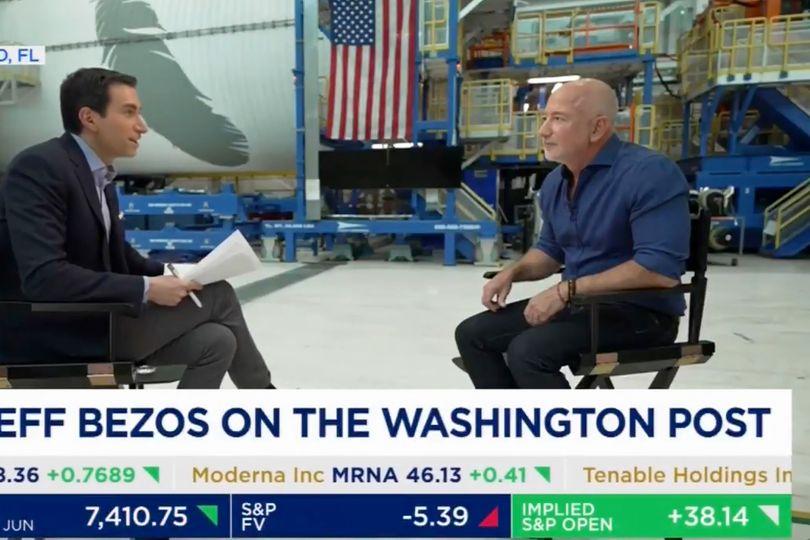
The Amazon founder and Blue Origin owner has argued that the bottom half of U.S. income earners should pay zero federal individual income tax, rather than simply receiving a smaller tax bill. Bezos made the argument during a May 20, 2026 CNBC interview, saying that lower-income Americans are struggling with expenses such as housing and groceries while contributing only a small share of federal individual income-tax revenue. He has also said he intends to advocate the idea with President Donald Trump.
The proposal has attracted attention because it sounds simple: let millions of workers keep more of their pay and find the lost revenue elsewhere. But the underlying numbers are more complicated than the headline. Federal income tax is only one part of what workers pay, many households in the bottom half already owe little or no federal income tax, and eliminating the remaining liability would raise questions about the federal budget, tax credits, payroll taxes and who ultimately receives the largest benefit.
What Bezos Is Actually Proposing
Bezos’ argument is broader than a conventional tax cut. He has said he does not want merely to reduce taxes for working-class Americans; he wants to eliminate federal income taxes for the bottom half of earners altogether. In his CNBC appearance, he used a hypothetical nurse in Queens earning $75,000 as an example of a worker who could benefit substantially from keeping more of her paycheck.
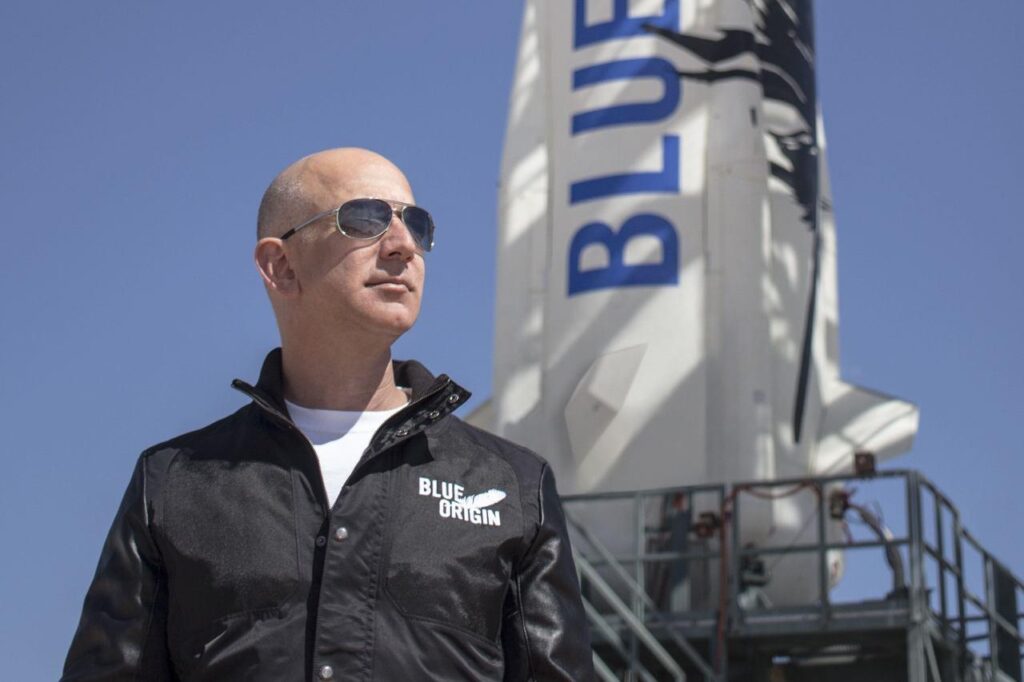
Bezos framed the proposal around the idea that the federal government can find the relatively small amount of revenue generated by the bottom half elsewhere. He has also argued that America already has a highly progressive federal income-tax structure, pointing to the large share paid by the highest earners. His May 2026 comments subsequently spread widely across social media, helping turn the proposal into a national debate about taxes, inequality and government spending.
There is an important distinction, however: this is a proposal from Bezos, not a federal law or an enacted Trump administration tax program. There is no evidence in the latest reporting that Congress has passed a Bezos tax plan or that Trump has formally adopted his specific zero-tax proposal. Bezos said he planned to advocate for the idea, meaning the political question is still whether lawmakers would actually turn the concept into legislation.
The 3% Number: What the Tax Data Actually Show
The most important statistic behind Bezos’ argument comes from federal individual income-tax data. The latest detailed data available from the IRS, analyzed by the Tax Foundation for tax year 2023, show that the bottom 50% of taxpayers represented about 76.5 million returns and reported 12.3% of adjusted gross income. That group paid approximately $69.9 billion, or 3.26%, of the $2.14 trillion in federal individual income taxes collected in the data set.
At the other end, the top 1% accounted for 20.6% of adjusted gross income but paid 38.4% of federal individual income taxes. Their average federal individual income-tax rate was 26.3%, compared with 3.7% for the bottom 50%. These figures explain why Bezos can describe the lower half’s contribution as relatively small while arguing that the financial impact on individual workers could nevertheless be meaningful.
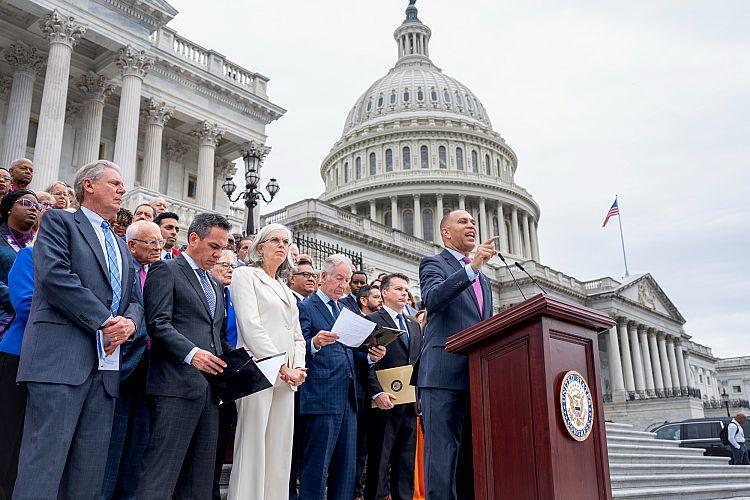
But the phrase “3% of taxes” can be misleading if it is interpreted as every tax Americans pay. The statistic concerns federal individual income taxes. Workers can also pay Social Security and Medicare payroll taxes, and many households face state and local income, sales, property and other taxes. Eliminating federal income tax would therefore not mean that the bottom half of Americans would suddenly have zero taxes deducted from their paychecks.
The distinction matters because the federal government relies heavily on multiple revenue streams. Individual income taxes are the largest federal tax source, while payroll taxes are another major source used to finance programs including Social Security and Medicare. A policy eliminating only federal individual income taxes would leave those payroll obligations in place unless Congress separately changed them.
The $75,000 Nurse Example Needs a Closer Look
Bezos’ most memorable example was a hypothetical nurse in Queens earning $75,000 per year. He questioned why such a worker should pay more than $1,000 per month in taxes when that money could instead be used for rent, groceries or other household expenses. The example gives the abstract tax debate a recognizable face: a working professional who earns what may sound like a solid salary but still faces high living costs in a major U.S. city.
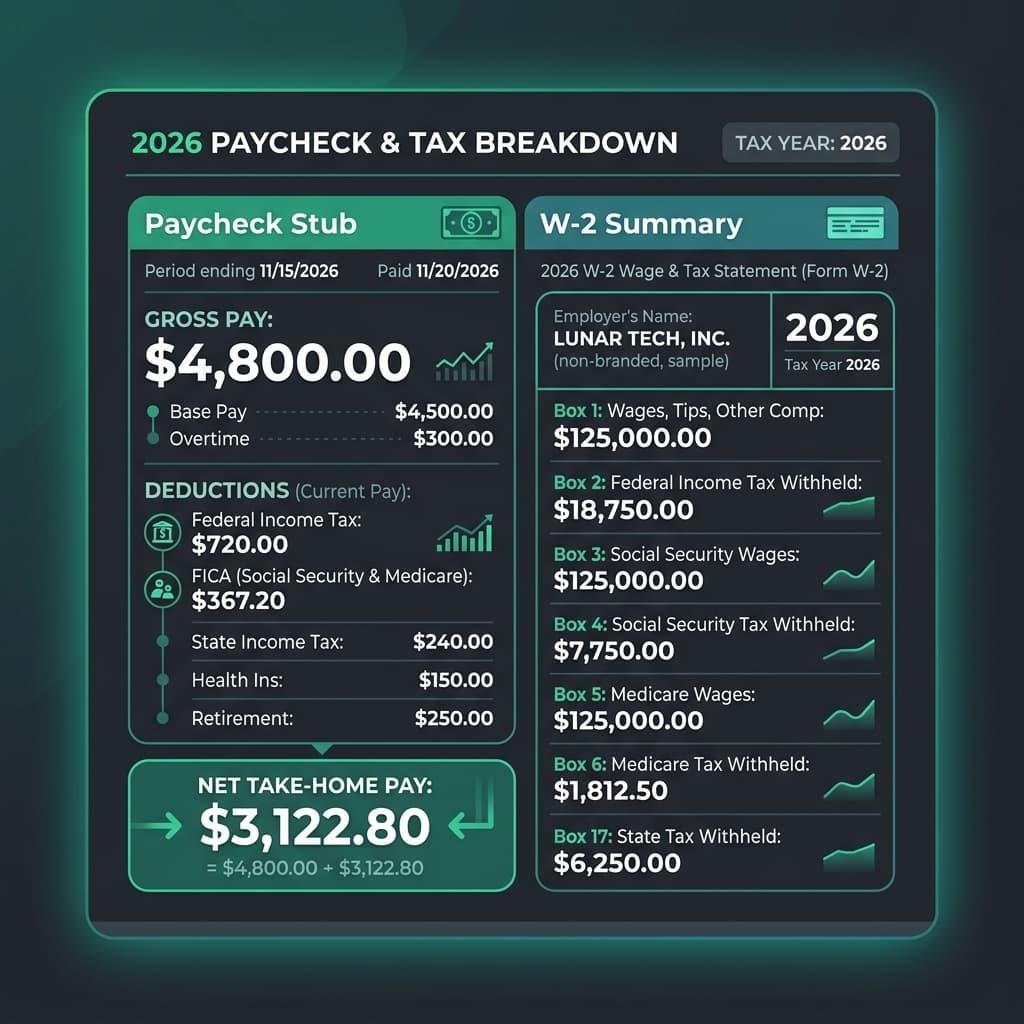
There is, however, no single tax bill for every $75,000 worker. The actual amount depends on filing status, dependents, deductions, credits and the difference between federal income taxes and payroll taxes. For 2026, the IRS lists a $16,100 standard deduction for single filers, while the 10% and 12% federal income-tax brackets apply at specified taxable-income levels before higher brackets begin.
That means Bezos’ example should not be interpreted as saying every single nurse earning $75,000 currently owes exactly the same amount. A worker’s federal income-tax liability can be reduced by deductions and credits, while Social Security and Medicare taxes are calculated separately. The proposal would also be much more consequential for workers who actually have federal income-tax liability than for very low-income households that already owe little or nothing.
This is one reason the debate is more complicated than simply saying “the bottom half gets a tax cut.” According to Tax Foundation data, taxpayers earning below $25,000 typically owe no federal income tax, with refundable credits sometimes providing additional benefits.
What This Means for You
For a worker in the lower half of the income distribution who currently pays federal individual income tax, eliminating that liability could increase take-home pay. The size of the benefit would depend on the worker’s taxable income, filing status and eligibility for deductions and credits. Someone already paying little or no federal income tax would see a much smaller direct benefit.
For middle-income households, the outcome could be particularly interesting because the phrase “bottom 50%” is based on the distribution of taxpayers rather than a universal salary cutoff. In the 2023 data, the dividing point between the bottom and top halves was about $53,801 of adjusted gross income. That threshold is not a permanent $53,801 tax bracket and would change as incomes and the economy change.
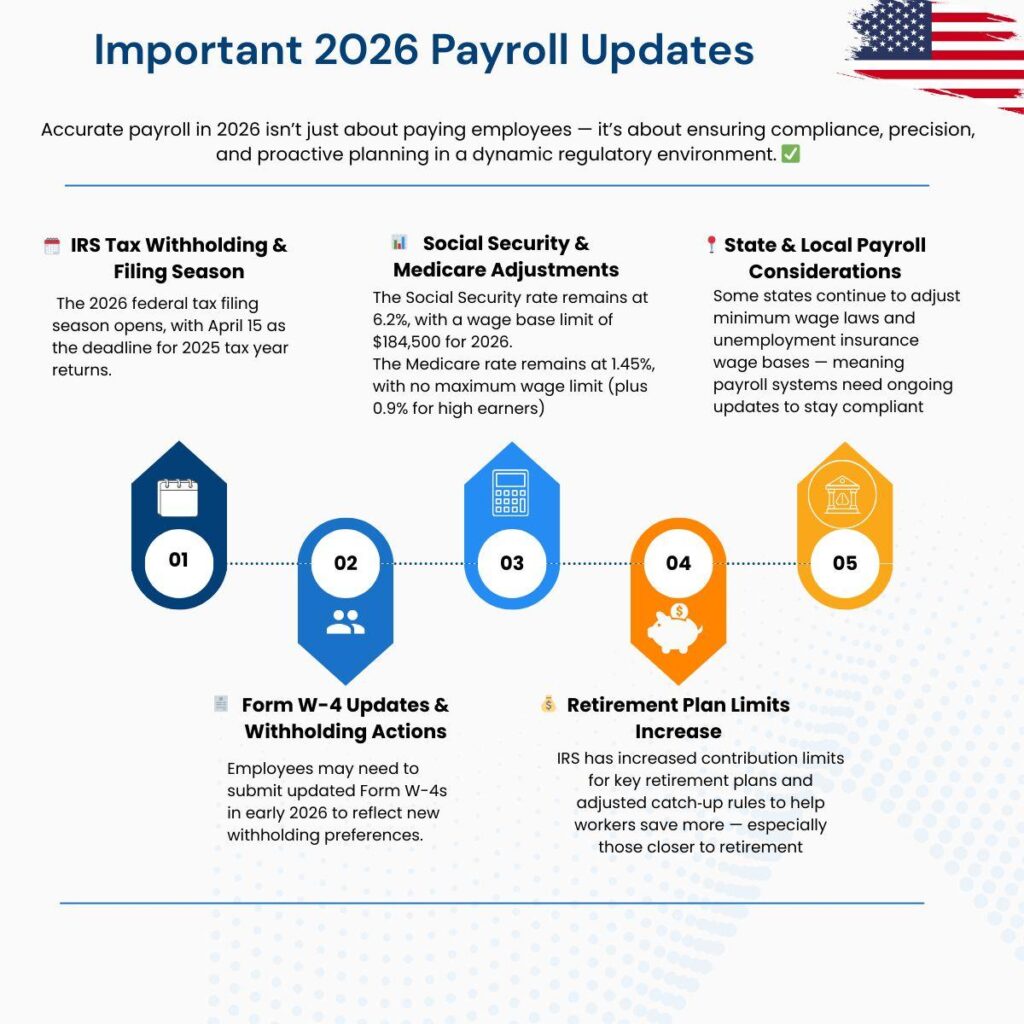
There is also a major difference between federal income tax and payroll tax. A worker could receive a federal income-tax reduction while continuing to see Social Security and Medicare taxes withheld from each paycheck. State and local taxes would also remain unless individual states changed their own tax policies.
The current 2026 tax code already contains significant deductions and tax provisions for workers. The IRS says the 2026 standard deduction is $16,100 for single taxpayers, $24,150 for heads of household and $32,200 for married couples filing jointly. The seven individual income-tax rates remain 10%, 12%, 22%, 24%, 32%, 35% and 37%.
That means any new Bezos-style policy would have to fit into an already complicated system. Congress could theoretically increase the standard deduction, create a new zero-tax threshold, expand credits or adopt another mechanism. Each approach would distribute benefits differently.
Investor Takeaway
For investors, Bezos’ proposal is less about one billionaire’s personal opinion and more about the direction of U.S. fiscal policy. If policymakers seriously considered eliminating federal income tax for the bottom half, the debate would quickly shift toward how to replace lost revenue or reduce federal spending.
The Tax Foundation’s 2023 data put the bottom half’s federal individual income-tax contribution at roughly $69.9 billion for that year. On a simple static basis, eliminating that revenue would be a significant federal budget issue, even though it is relatively small compared with total federal revenue.
There could also be second-order economic effects. Supporters could argue that households would have more money available for consumption, savings, debt repayment and investment. Critics could argue that permanently reducing federal revenue without corresponding spending reductions could increase deficits or shift the burden toward higher earners, businesses or future taxpayers.
The investor question therefore is not simply whether lower-income Americans would receive more take-home pay. It is whether the policy would be accompanied by spending reductions, higher taxes elsewhere, changes to tax credits or a broader restructuring of the federal tax code.
That distinction could matter for sectors sensitive to consumer spending. If households received meaningful additional disposable income, retailers, restaurants, housing-related businesses and consumer-service companies could potentially benefit. At the same time, companies and investors would have to assess any offsetting changes in corporate taxes, government spending or federal borrowing.
Future Outlook
The biggest question is whether Bezos’ proposal moves from a media debate into Washington negotiations. His comments have already placed the idea in the public conversation, but a presidential endorsement alone would not create a new tax exemption. Congress would need to approve legislation, and lawmakers would have to determine exactly who qualifies, how eligibility is measured and how the government replaces the revenue.
The political debate could also become broader than Bezos’ original idea. Lawmakers have already discussed different approaches to reducing taxes on lower- and middle-income workers. Some proposals focus on income thresholds, while others use larger deductions or refundable tax credits. That means a final policy, if one emerges, may look very different from Bezos’ simple “zero” concept.
The timing is especially important because the U.S. tax code has recently undergone major changes. The IRS says provisions from the One Big Beautiful Bill Act have affected 2025 and 2026 tax rules, including making major rate structures permanent and increasing the standard deduction. For 2026, the single-filer standard deduction is $16,100 and the top individual rate remains 37%.
For workers, the most important development to watch is therefore not simply whether Bezos repeats the proposal. Watch for an actual bill, a defined income threshold, an estimate from the Congressional Budget Office or Joint Committee on Taxation, and specific proposals for replacing the lost revenue.
If the proposal reaches that stage, the debate will become much more concrete: Who qualifies? How much does each household save? How much revenue disappears? Who pays for the difference? And does the policy actually improve economic mobility?
For now, Bezos has supplied the headline and the political challenge. The hard part—turning a powerful idea into workable tax legislation—would belong to Congress.
Bottom line: Jeff Bezos’ proposal to eliminate federal individual income taxes for the bottom 50% of U.S. earners could provide meaningful relief to workers who currently owe federal income tax, but it would not eliminate payroll or state taxes and would not benefit all lower-income households equally. The latest tax data support the central point that the bottom half pays only a small share of federal individual income taxes, but the fiscal and political consequences of taking that share to zero remain unresolved.
Subscribe to trusted news sites like USnewsSphere.com for continuous updates.