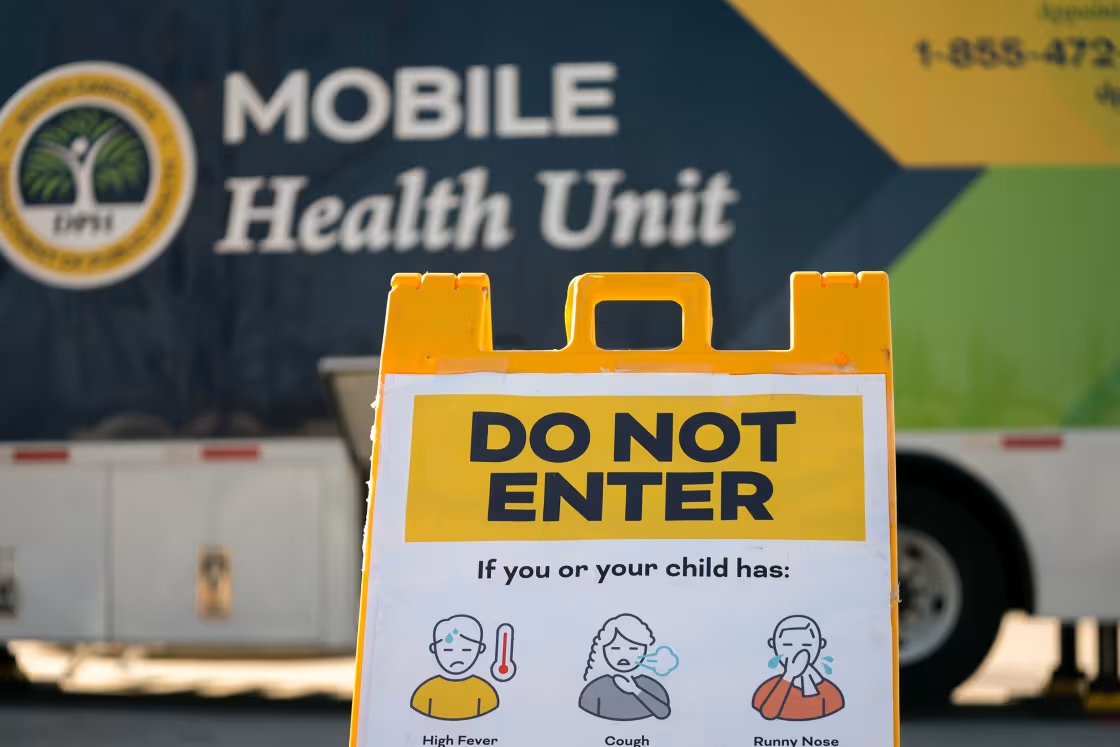
U.S. measles cases in 2026 have surged to nearly 1,000 infections in the first two months of the year, raising urgent concerns among public health officials, parents, and schools across the country. According to reporting from NBC News and updated federal data, outbreaks are spreading across multiple states, primarily affecting unvaccinated children and young adults. Health experts say the rise is linked to declining vaccination rates, global travel, and misinformation about vaccines. The impact is immediate: schools are issuing alerts, hospitals are preparing isolation units, and state health departments are accelerating immunization campaigns. Why this matters now is simple — measles is one of the most contagious diseases in the world, and even small immunity gaps can trigger rapid community spread.
The Sharp Rise in Cases Across the United States
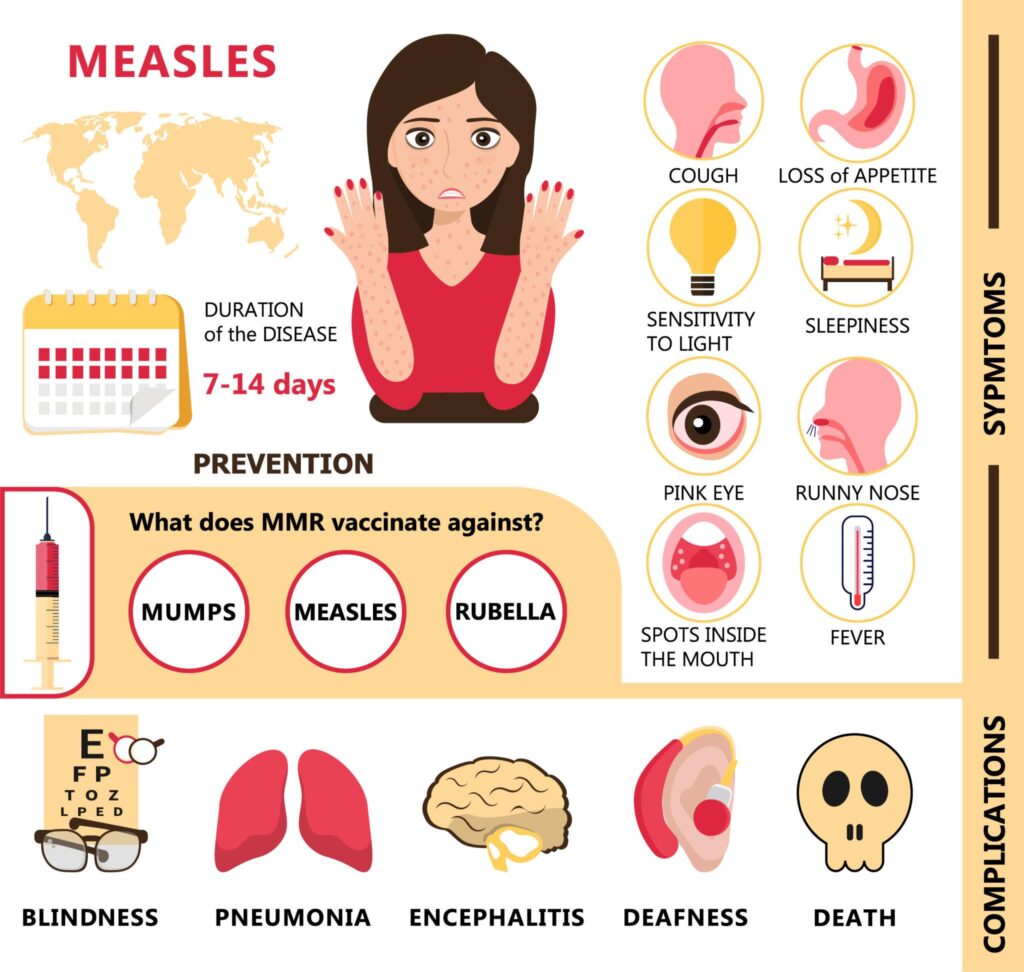
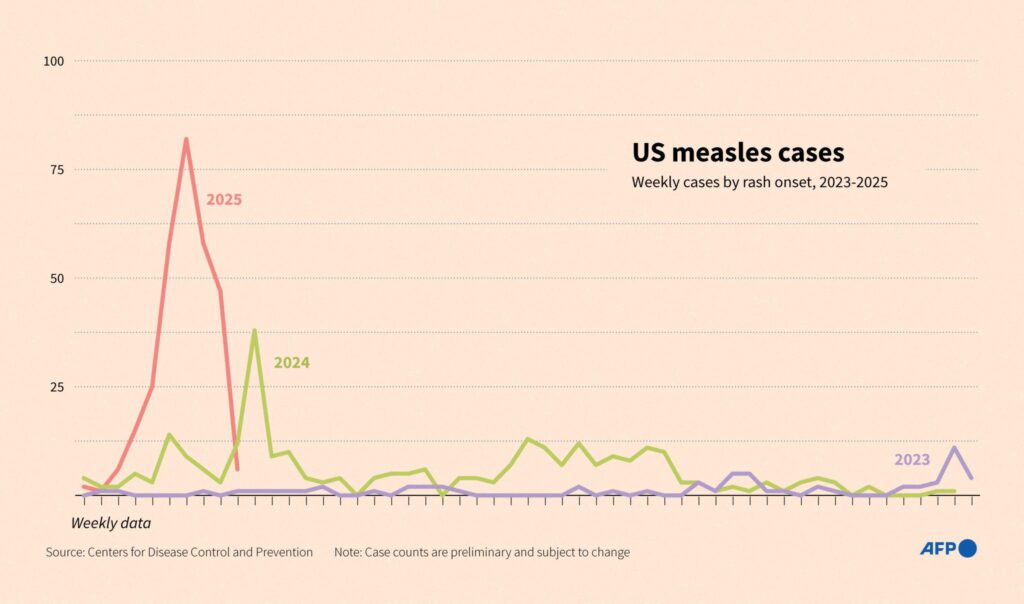
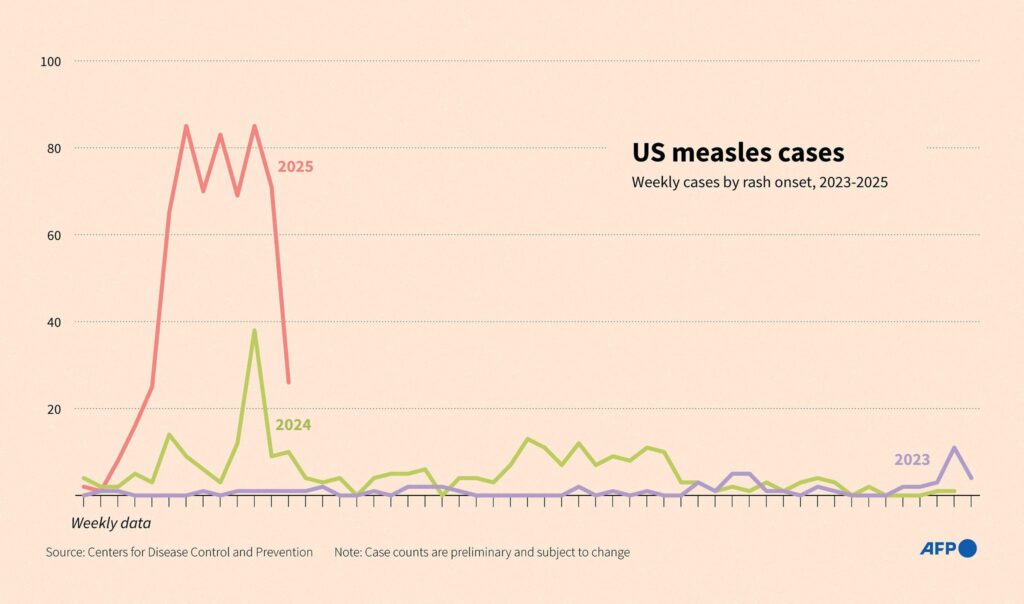
Federal surveillance data shows that the U.S. is approaching 1,000 confirmed measles cases before March — a pace not seen in years. In comparison, several recent full-year totals were lower than what has already been reported in early 2026. States with clusters include large urban centers as well as rural communities where vaccination coverage has fallen below herd immunity thresholds.
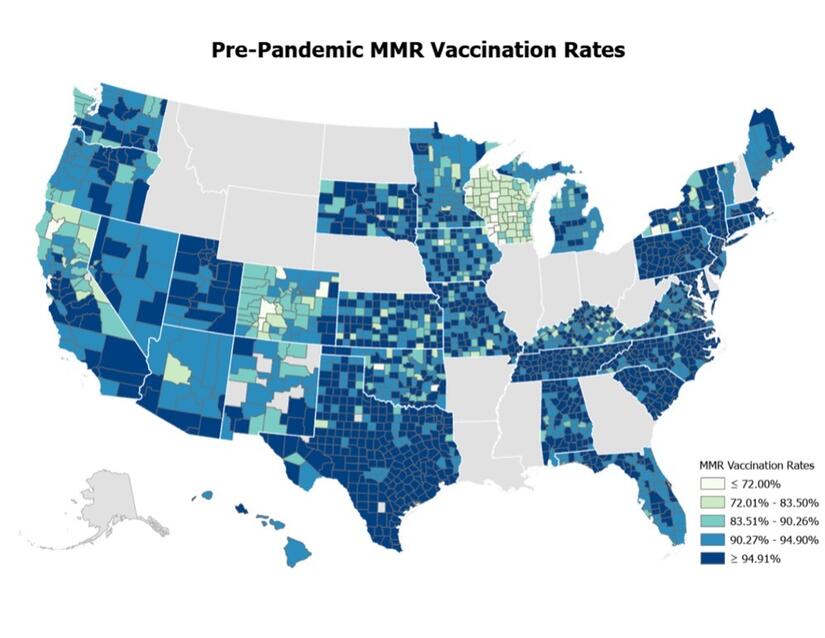
Health authorities define herd immunity for measles at about 95% vaccination coverage. When communities drop below that level, outbreaks can expand quickly. Public health investigators are tracing infections to international travel and close-contact environments such as schools, childcare centers, and religious gatherings. The rapid growth suggests multiple simultaneous outbreaks rather than a single isolated cluster.
What Is Measles, and why does it spread so easily
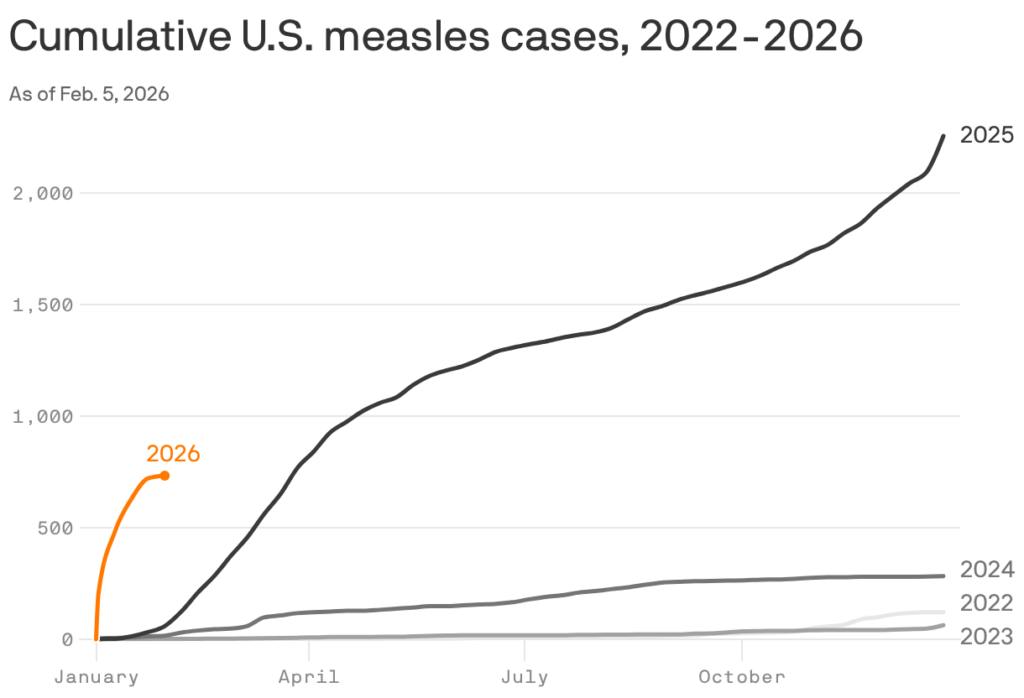
Measles is a highly contagious viral disease that spreads through respiratory droplets when an infected person coughs or sneezes. The virus can remain in the air for up to two hours in enclosed spaces. According to the Centers for Disease Control and Prevention, nine out of ten unvaccinated people exposed to measles will become infected.
Symptoms begin with fever, cough, runny nose, and red eyes, followed by a distinctive rash that spreads across the body. While many patients recover, measles can lead to serious complications, including pneumonia, brain swelling (encephalitis), and even death. Young children, pregnant women, and immunocompromised individuals face the highest risks. This is why even small increases in cases trigger national concern.
Why This Is Happening Now
Experts point to declining routine childhood vaccination rates during and after the COVID-19 pandemic. Many children missed scheduled immunizations due to healthcare disruptions, school closures, or parental hesitancy. In some communities, misinformation campaigns about vaccine safety have further reduced uptake of the MMR (measles, mumps, rubella) vaccine.
International travel has also rebounded strongly in 2026. Measles remains common in parts of Europe, Asia, and Africa. The World Health Organization has warned of rising global measles activity, creating more opportunities for imported cases. When infected travelers return to U.S. communities with low vaccination coverage, outbreaks can ignite rapidly.
The Public Health and Economic Impact
Beyond health risks, measles outbreaks carry significant economic consequences. Local health departments must conduct extensive contact tracing, testing, and vaccination drives. Schools may temporarily exclude unvaccinated students during outbreaks, disrupting education for families. Hospitals must implement strict infection control protocols to prevent the spread in waiting rooms and emergency departments.
The cost of containing a single measles case can reach tens of thousands of dollars when accounting for investigation, laboratory work, and public outreach. When outbreaks involve hundreds of cases, the financial burden grows quickly. Employers are also affected when parents must miss work to care for sick children or comply with quarantine recommendations.
Why This Matters Now for American Families
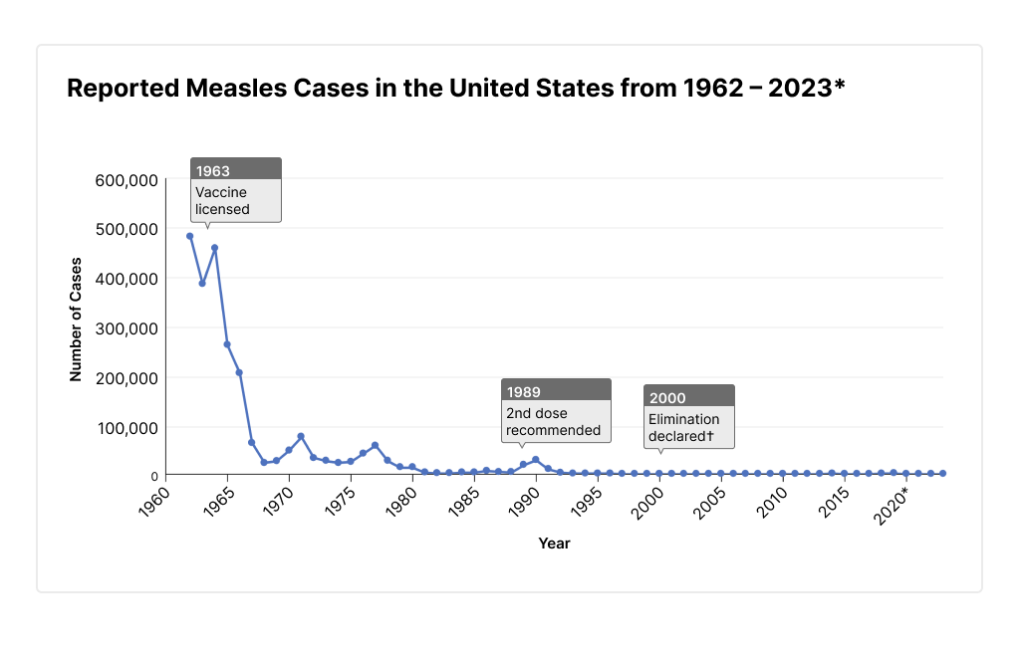
The current surge serves as a warning that measles elimination status in the United States is fragile. The country previously declared measles eliminated in 2000, meaning there was no continuous domestic transmission. However, elimination does not mean eradication; imported cases can still spark outbreaks if immunity levels fall.
For families, the key takeaway is prevention. The MMR vaccine is about 97% effective after two doses. Pediatricians recommend the first dose at 12–15 months and the second at 4–6 years. Adults unsure of their vaccination status should consult healthcare providers, especially before international travel. Public health experts stress that vaccination not only protects individuals but also shields vulnerable community members who cannot be vaccinated for medical reasons.
How Officials Are Responding
State and federal health agencies are increasing public awareness campaigns and expanding access to vaccination clinics. Some states are reviewing school immunization compliance policies and strengthening reporting systems. Rapid response teams are being deployed to areas experiencing clusters to contain the spread early.
Officials are also monitoring social media misinformation and providing science-based communication about vaccine safety. Clear messaging is critical, as public trust plays a major role in vaccination decisions. Experts emphasize that early vaccination, prompt diagnosis, and community cooperation are the most effective tools to stop further escalation in 2026.
Looking Ahead: Preventing a Larger Crisis
If vaccination rates improve quickly, experts believe the current surge can be contained before reaching historic highs. However, if coverage continues to decline in certain regions, outbreaks could become more frequent and harder to control. The next few months will be critical in determining whether 2026 becomes one of the most significant measles resurgence years in modern U.S. history.
Public health leaders stress that measles is preventable. The science behind the vaccine has been established for decades. The present situation is less about medical uncertainty and more about public participation in routine immunization programs. Communities that maintain high coverage rates are far less likely to experience sustained outbreaks.
Subscribe to trusted news sites like USnewsSphere.com for continuous updates.