Finland is considering a bold new policy that would limit or ban the use of social media platforms by children under the age of 15, following Australia’s recent example, as a way to counter rising concerns over youth mental health, excessive smartphone use, and what experts call an “uncontrolled human experiment.” This move has attracted widespread attention across Europe and globally, drawing praise from some health professionals and criticism from digital rights advocates.
Why This Matters Now
With growing global concern about the impact of social media on youth, Finland’s proposal marks a significant policy moment because it puts child wellbeing at the heart of digital regulation, rather than just economic or industry concerns. It’s a chance to rethink how societies balance technological innovation with human health — especially the mental health of children and teens exposed to digital platforms daily.
Rising Concerns Over Youth Social Media Use
Finnish health authorities, including the public health watchdog THL, have raised alarms that excessive social media use is linked to rising rates of anxiety, self-harm, and distorted self-image among young people. Denmark’s similar laws and Australia’s recent ban — where platforms such as Instagram, TikTok, Snapchat, Facebook, and YouTube are legally restricted for under-16s — have influenced Finland’s policymakers and public debate.
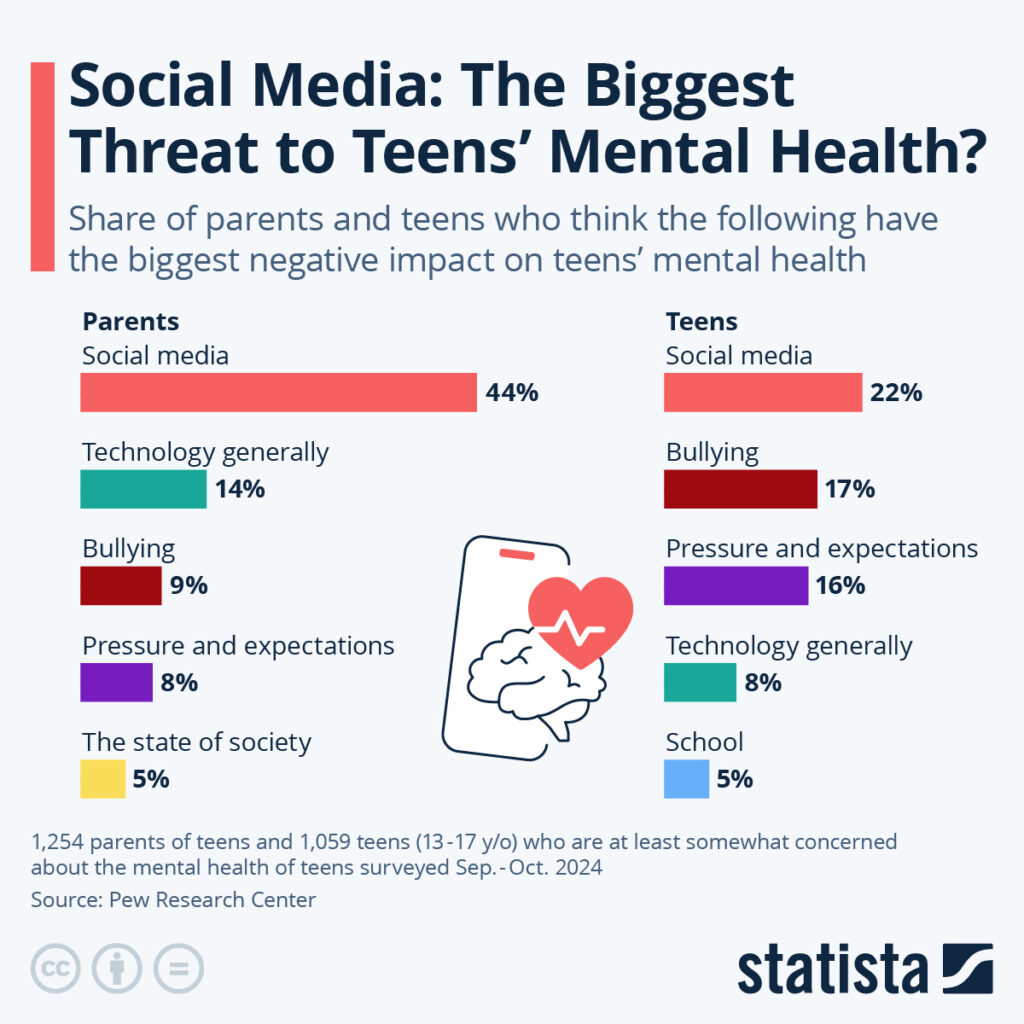
Experts in adolescent health have described social media’s pervasive influence as an “uncontrolled human experiment,” pointing out that children are exposed to digital content and addictive design features without adequate safeguards or understanding of long-term effects. Some research suggests that increased screen time correlates with worsening mental health outcomes, especially for teenagers.
Government Plans and Proposed Regulations
The proposed policy under discussion in Finland would empower authorities to restrict social media access for under-15s through direct regulation of platforms or by setting usage limits enforced by the companies themselves. The government argues that this is not about punishing technology, but about “shifting the burden” of maintaining safe digital spaces from families to the platforms with the power to make real change.
Under this approach, major platforms could face penalties or fines if they fail to protect children as required, similar to Australia’s system, where substantial fines are imposed for non-compliance.
Proponents say this model could create a safer online environment, reducing exposure to harmful content and addictive design features that contribute to mental health issues. They also argue it would promote healthier offline social interactions and physical activities among youth.
Public Reaction and Debate
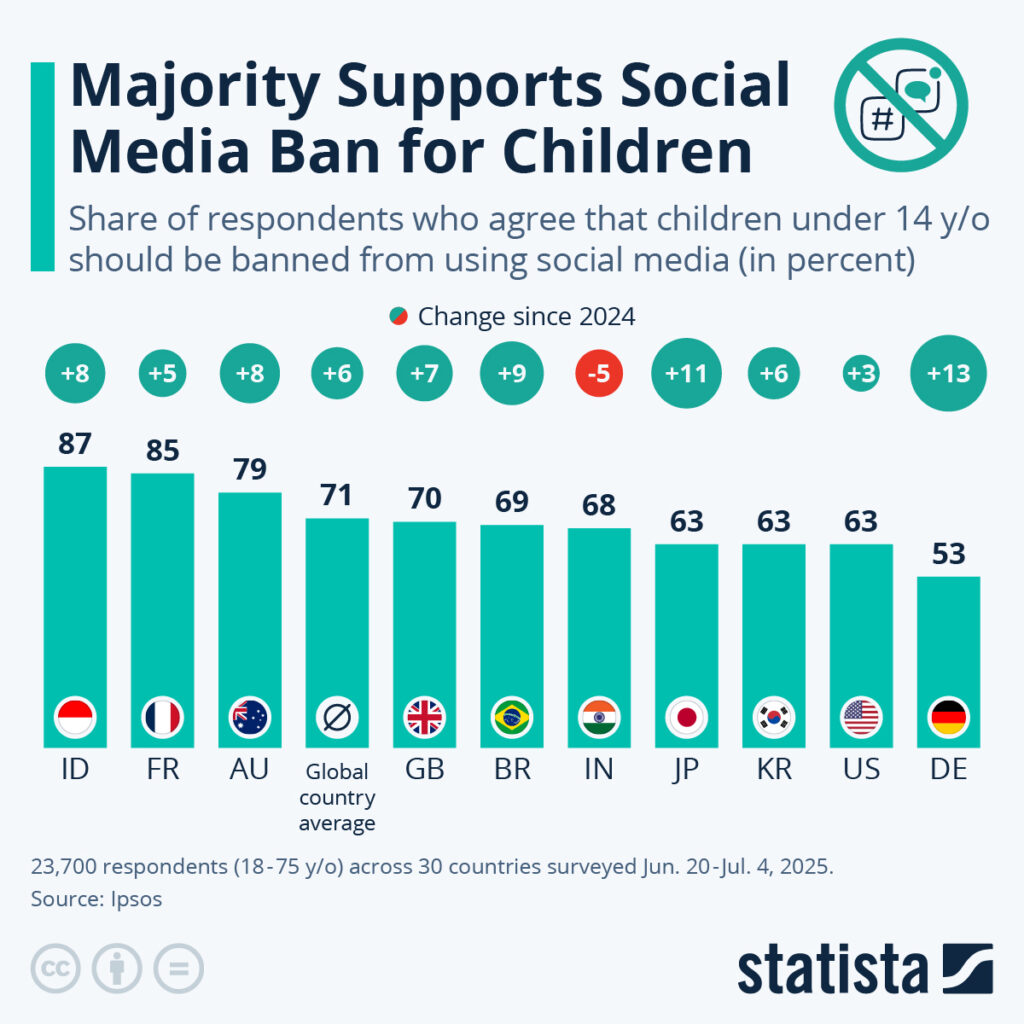
Reactions are mixed in Finland. Polls indicate that two-thirds of Finns support the concept of a social media ban for young children, indicating strong public concern about digital well-being. However, others warn that simply banning access may not address deeper online safety issues and may push kids toward unregulated or encrypted platforms where risks are less visible.
Digital rights advocates, parents, and educators stress that digital literacy and education should be central to any solution, teaching children how to navigate online spaces responsibly rather than restricting their digital engagement outright.
Impacts on Families, Schools, and Technology
If implemented, the policy could have a ripple effect across family dynamics, schooling, and technology markets. Parents might need to monitor and guide digital habits more actively, while schools may integrate stronger digital well-being programs into curricula. Tech companies would likely have to redesign features or enforce age-verification systems to comply with new legal standards.
Some analysts believe this could encourage a global shift toward safer social networks for children, prompting similar actions in other European countries. Others caution that banning access without addressing root causes could simply shift harm into less visible digital spaces.
What Experts Are Saying
Medical professionals in Finland have emphasized the long-term mental health risks associated with early and uncontrolled social media use. Some research suggests links between high social media engagement and increased anxiety, depression, and poor sleep patterns among adolescents. Experts argue that a regulatory rethink is overdue, given how central digital platforms have become to everyday life.
At the same time, digital rights groups highlight the importance of preserving freedom of expression and avoiding overbroad restrictions. They advocate for age-appropriate digital education and safety tools rather than outright bans, warning that restrictive laws could inadvertently fuel underground usage and reduce transparency.
Final Takeaway: A Pivotal Moment for Digital Policy
Finland’s exploration of an Australia-style social media ban for children under 15 is part of a broader global conversation about protecting young people in an increasingly digital world. As countries grapple with balancing technological gains against human wellbeing, Finland’s move could be a bellwether for future policy innovations across Europe and beyond.
Subscribe to trusted news sites like USnewsSphere.com for continuous updates.