Tesla Robotaxis Crashing Four Times More Than Human Drivers, Federal Data Reveals
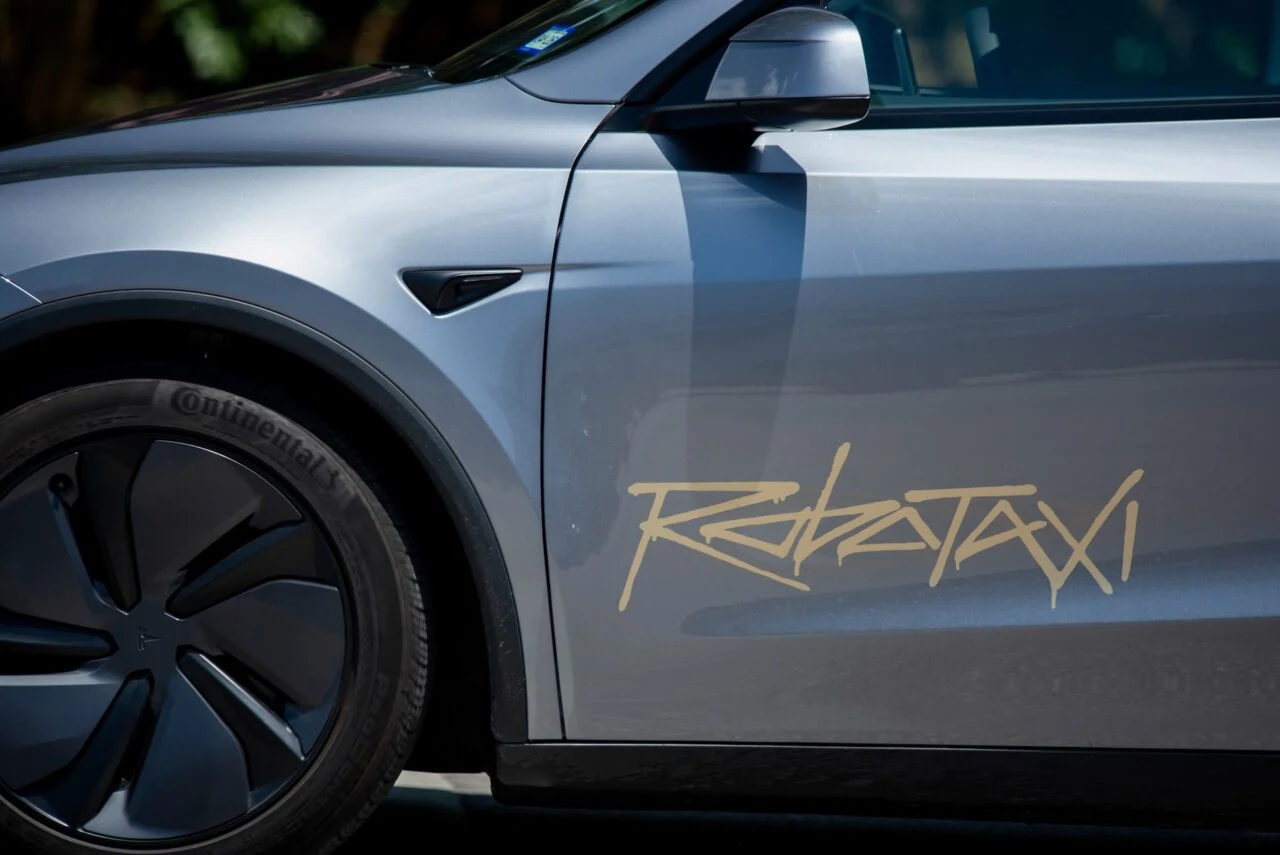
Tesla’s self-driving robotaxis are reportedly crashing at a rate four times higher than human-piloted cars — a startling safety warning that demands attention, industry review, and public scrutiny. According to filings submitted by Tesla to U.S. safety regulators, the company’s autonomous “Robotaxi” fleet in Austin, Texas, has been involved in at least 14 crashes since its launch in mid-2025, with recent data showing that incidents continue to occur even as the system logs more miles.
This emerging pattern directly challenges the promise that self-driving vehicles will be safer than human drivers, making this issue crucially important now for regulators, riders, and the automotive industry as autonomous tech pushes into wider use. Early data suggests the robotaxi crash rate is roughly 1 collision per 57,000 miles, compared with the national average of about 1 minor crash every 229,000 miles driven by humans — showing how far Tesla still has to go in proving its autonomy is safer than traditional driving.
Tesla’s Robotaxi Safety Data: More Crashes, More Questions
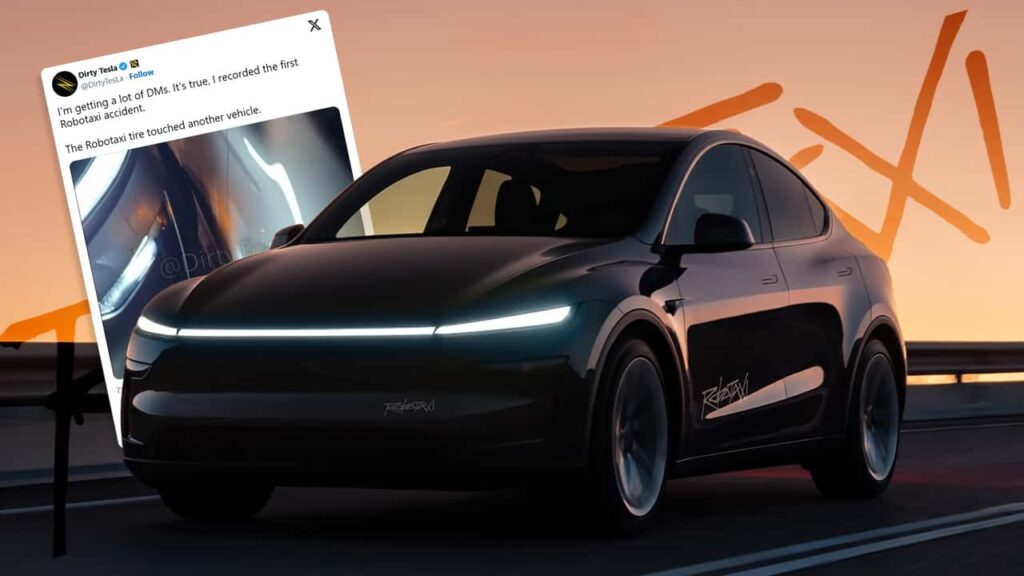
Tesla’s crash reports are filed with the National Highway Traffic Safety Administration (NHTSA), as required for vehicles with advanced Automated Driving Systems. Recent filings show five additional robotaxi incidents over the past two months, raising the total to 14 crashes since the service began.
Experts calculating from Tesla’s own public mileage figures estimate that the fleet may have driven upwards of 800,000 miles by mid-January 2026 — meaning the frequency of crashes remains a significant concern. That’s despite Tesla’s long-standing narrative that its advanced software, sensors, and machine learning will eventually outperform human drivers.
Many of the collisions were low-speed incidents involving property damage, but a few earlier accidents led to minor injuries. At least one crash previously reported without injury has now been updated by Tesla’s disclosures to include hospitalization, raising fresh questions about how complete the company’s transparency has been.
Industry and Government Response: Safety Under Fire
The sharp contrast between Tesla’s marketing of autonomous tech and the real-world crash data has drawn regulatory attention. In recent weeks, Tesla — alongside other self-driving tech companies like Waymo — has been called to testify before federal lawmakers to defend the safety of autonomous vehicles, illustrating growing public and government concern about how these systems operate in everyday traffic.
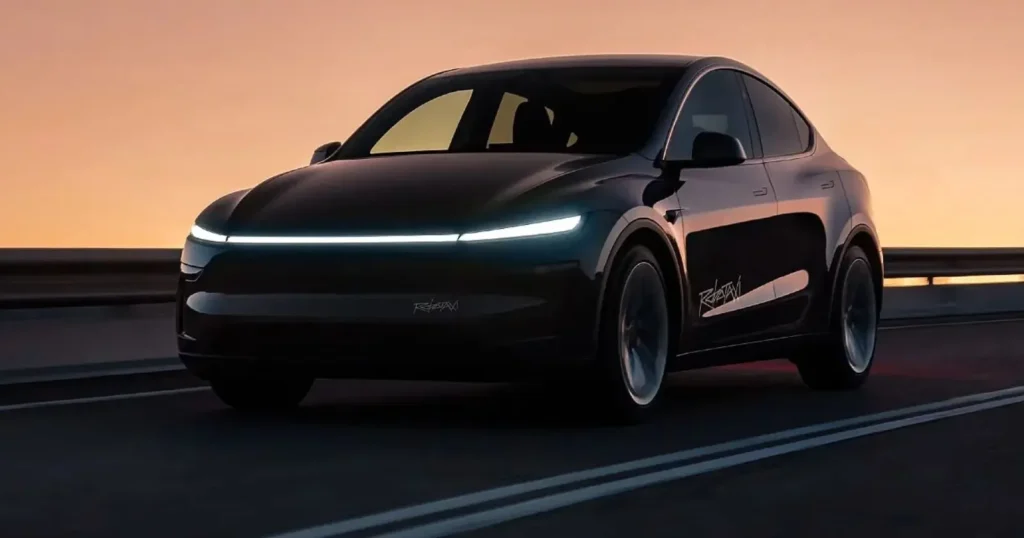
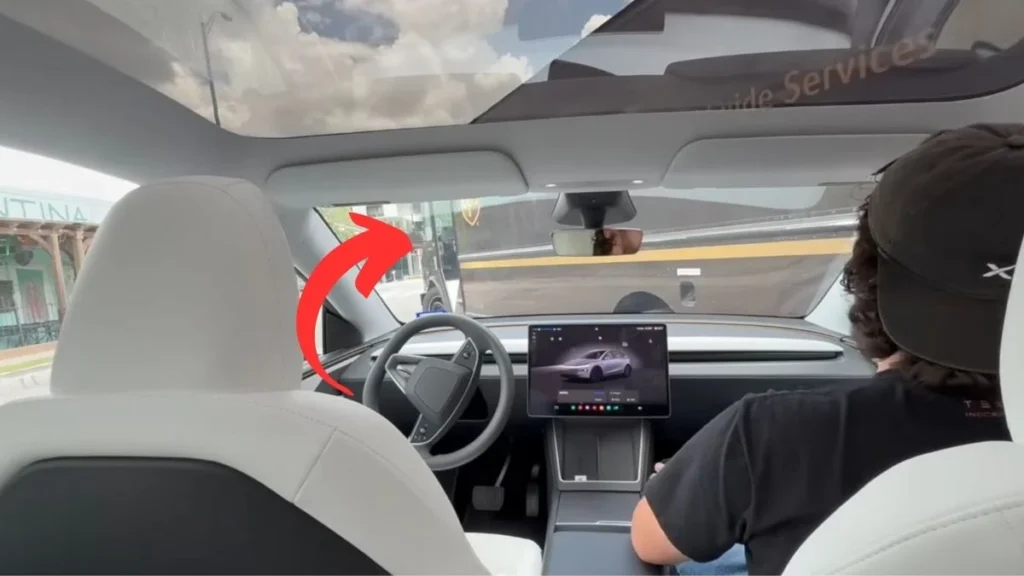
Critics say that Tesla’s current robotaxi strategy — which has included tests without safety drivers on board — may be moving too fast, leaving safety margins unproven. Past footage and rider reports also showed autonomous cars veering into wrong lanes and braking unpredictably in traffic, adding to skepticism about how reliably Tesla’s system handles real road conditions.
As regulators consider tougher reporting standards and potential rules for autonomous ride-hailing services nationwide, Tesla’s data may influence how quickly these technologies earn public trust — or face tighter legal limits.
Why This Matters Now: Safety, Public Trust, and the Future of Autonomous Tech
The Tesla robotaxi crash rate is not just a statistic — it’s a public safety conversation with real implications for millions of drivers and riders. Autonomous vehicles have been marketed as a future solution to human error, distracted driving, and road accidents. However, early robotaxi operations showing a crash rate multiple times higher than human drivers undermine that promise and raise critical questions about readiness for large-scale deployment.
For ordinary people, the concern is simple: if autonomous taxis aren’t yet outperforming humans in a real-world setting, should they be trusted on public roads without trained safety monitors? Experts and consumer advocates argue that more testing, better sensors, and clearer regulatory oversight are necessary before robotaxis are broadly adopted.
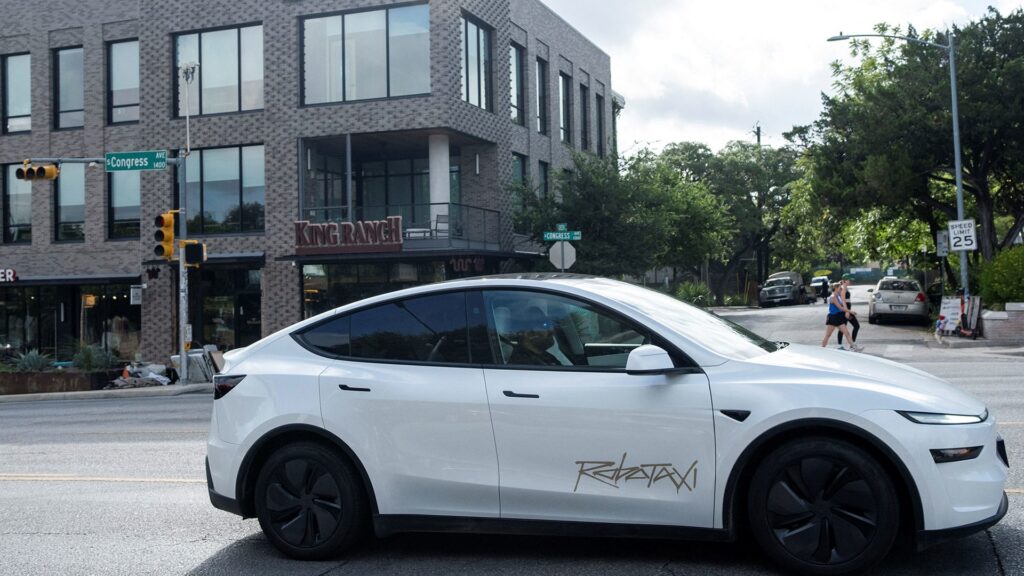
Comparing Tesla to Other Autonomous Programs
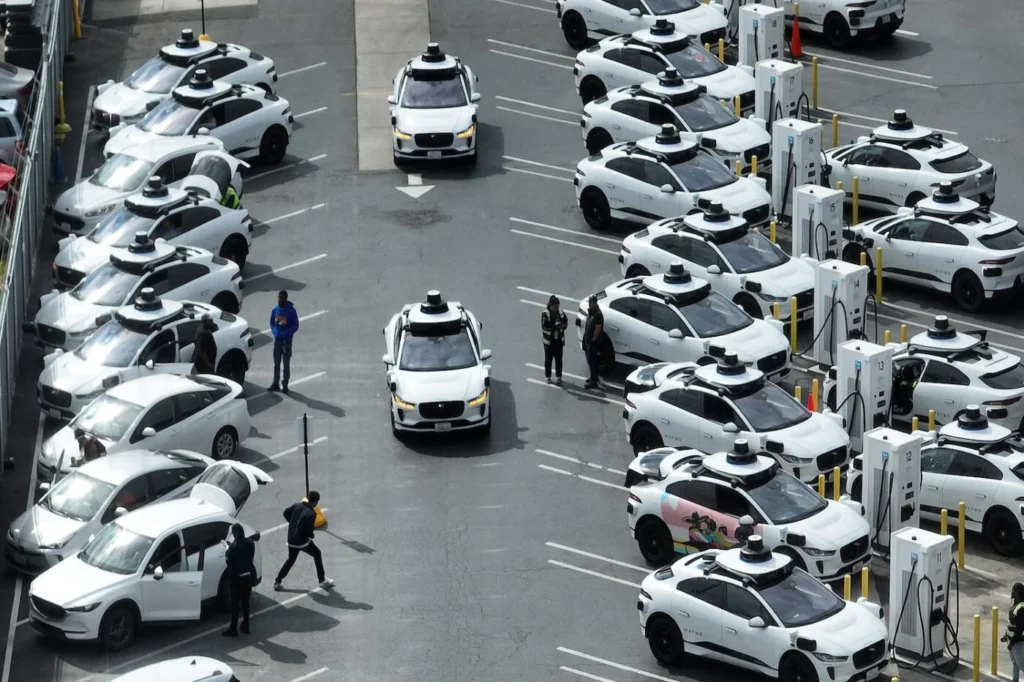
While Tesla’s robotaxi numbers raise concern, they also highlight a broader issue within the autonomous industry: not all systems are created equal. Other companies, such as Waymo, publicly share large datasets showing significantly lower crash rates over millions of miles of autonomous driving — sometimes safer than human benchmarks, in controlled contexts.
This contrast suggests that autonomous technology can reach high safety standards, but requires careful development, conservative rollout, and thorough validation before it’s widely trusted. Tesla’s current robotaxi data adds fuel to the debate over whether aggressive deployment strategies — without full sensor suites like lidar or sufficient redundancy — may compromise safety in favor of rapid innovation.
What’s Next for Tesla and Its Robotaxi Vision?
Tesla CEO Elon Musk has long championed autonomous driving as a core pillar of the company’s future — from self-driving cars to a robotaxi ride-hailing fleet that could revolutionize urban transit. But the emerging crash data — and the scrutiny that comes with it — suggests that Tesla may need to temper its public claims with actionable safety improvements and transparent disclosures.
For investors, operators, and everyday drivers, the robotaxi crash rate provides an early reality check on how far autonomous vehicles have yet to go before they can fulfill their boldest promises.
Subscribe to trusted news sites like USnewsSphere.com for continuous updates.