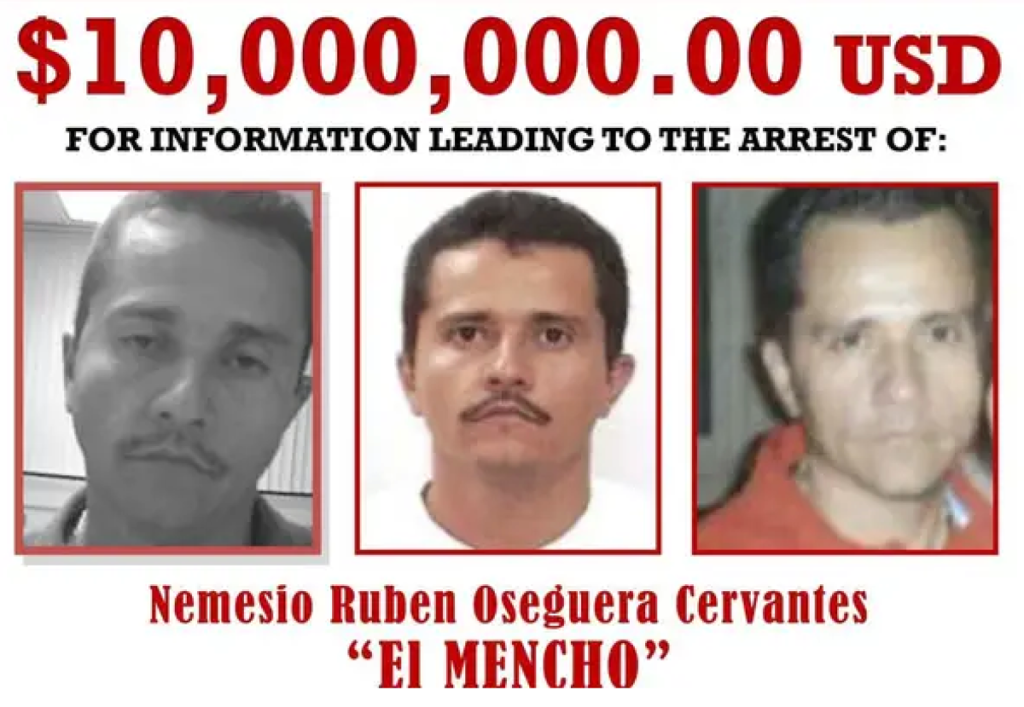
El Mencho killed in Mexico: Chaos Unfolds After Cartel Leader’s Death — Mexican forces have reportedly killed Nemesio Rubén Oseguera Cervantes — widely known as El Mencho, leader of the powerful Jalisco New Generation Cartel (CJNG) — triggering violent unrest, travel chaos across major cities and urgent travel warnings from multiple governments.
What Happened After El Mencho’s Death
The Mexican military located and engaged cartel strongholds in Tapalpa, Jalisco, where El Mencho was wounded and later confirmed dead while being flown to a military hospital, according to official sources. His death represents one of the most significant blows to organised crime in recent Mexican history and a strategic victory for both Mexican and U.S. efforts against transnational drug networks.
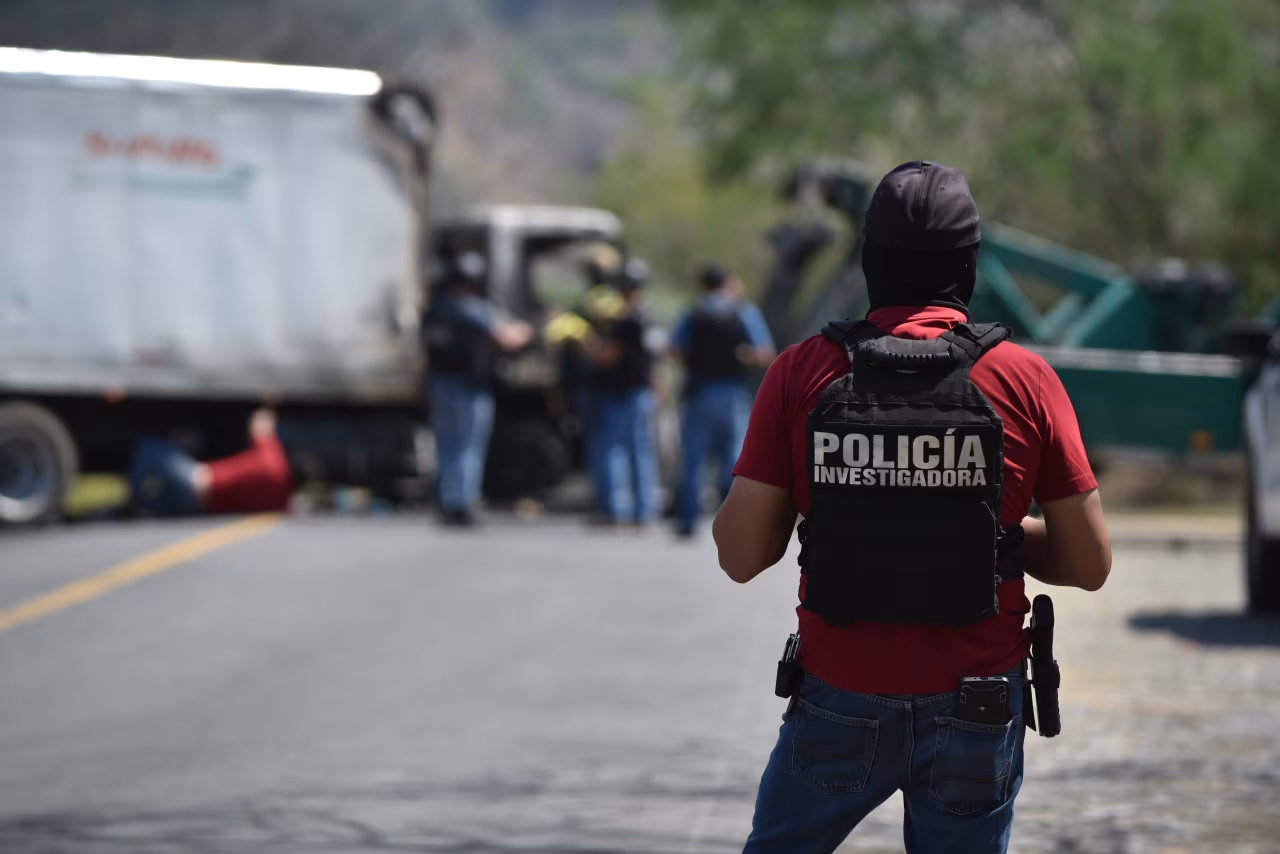
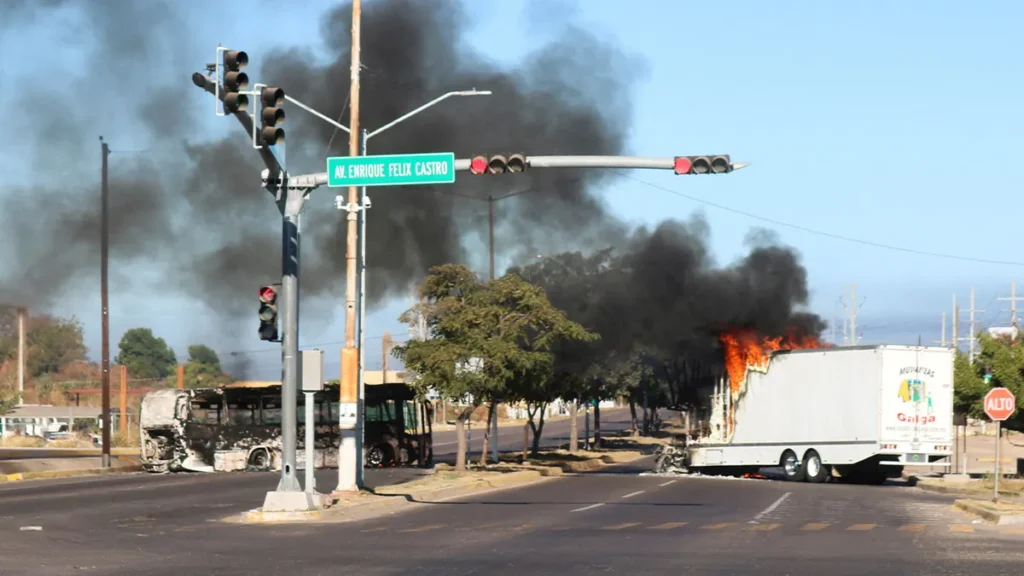
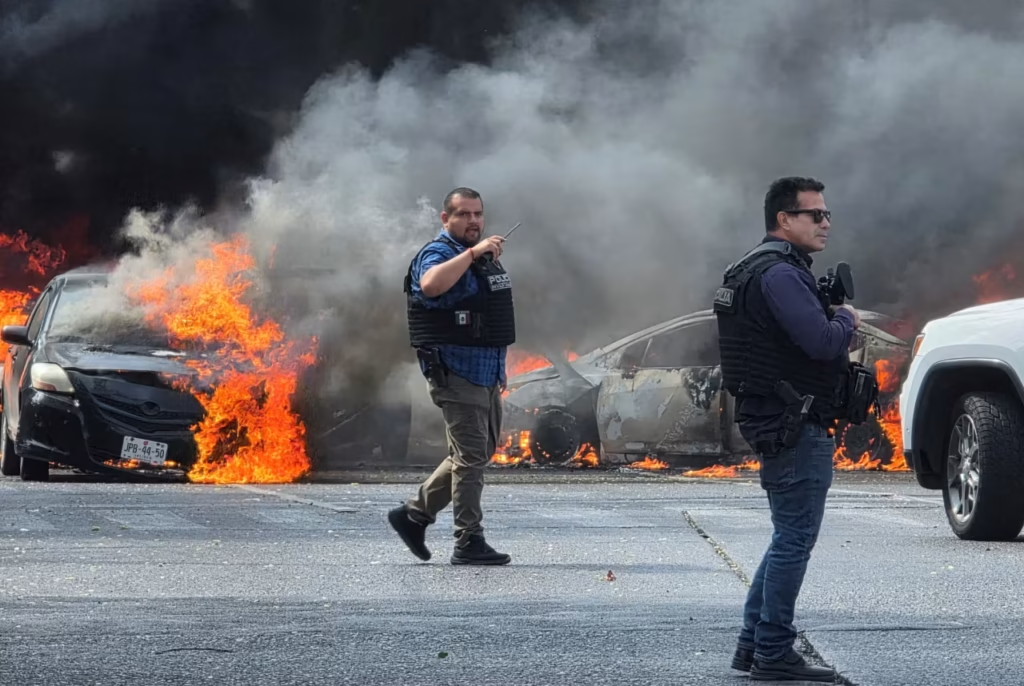
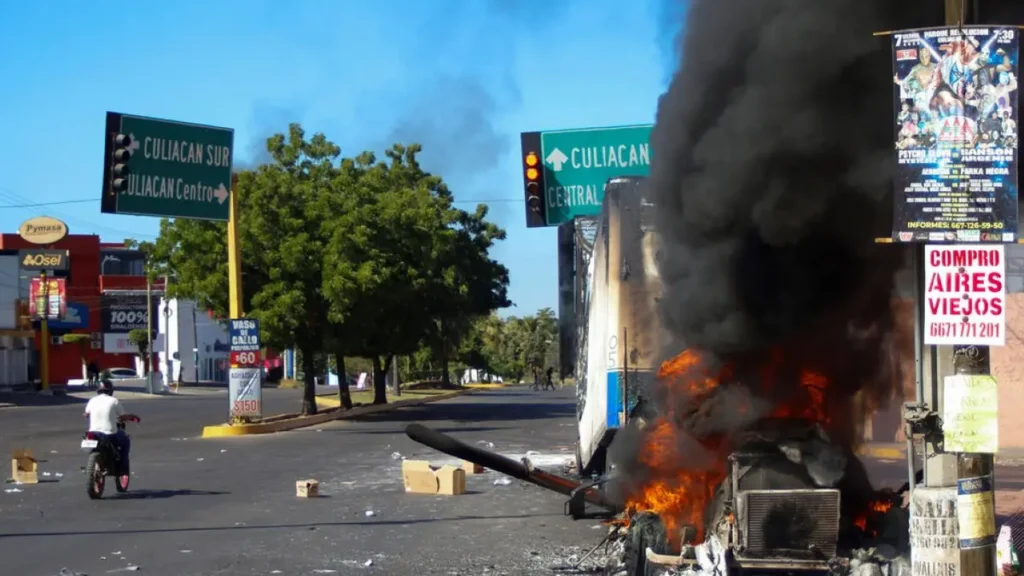
Following the announcement, widespread violence erupted across at least a dozen Mexican states — including Jalisco, Michoacán, Guanajuato and Tamaulipas — with cartel members blocking highways, burning vehicles, and clashing with security forces. Reports indicate multiple casualties and intense confrontations as CJNG affiliates retaliated, displaying the organisation’s ability to mobilise rapidly despite the loss of its leader.
Impact on Travel and Safety
The aftermath of El Mencho’s death provoked major travel disruptions across Mexico. Airports in Guadalajara and Puerto Vallarta saw chaos and delays, with international carriers like Air Canada and U.S. airlines suspending flights due to security concerns and ongoing unrest. Tourists and travellers in affected regions were advised to stay indoors as authorities struggled to control streets marked by fiery blockades and violent engagements.
In response, the U.S. State Department and other foreign governments issued warnings — urging their citizens to shelter in place, avoid non-essential travel, and stay updated via official advisories. These alerts cover key tourism hubs and transit routes, underscoring the seriousness of the situation and how cartel activity continues to influence global travel advisories.
Eyewitness Accounts and Local Unrest
Amid the turmoil, travellers posted firsthand reports of terrifying encounters with cartel gunmen, describing sudden gunfire near popular resorts and chaotic scenes of armed figures patrolling highways. One American visitor told local Chicago news outlets that routine sightseeing turned into a frightening ordeal, with streets that were once bustling becoming eerily silent as people sought shelter.
These eyewitness accounts paint a vivid picture of how the conflict impacts civilians and international tourists, bringing the effects of cartel violence far beyond drug trafficking into the realm of global safety and crisis response.
Why This Matters Now
El Mencho’s death comes at a time when fentanyl and other hard drugs are a central focus of international law enforcement efforts, particularly between the U.S. and Mexico. The CJNG was considered one of the most effective and violent networks moving illicit drugs across borders, employing military-grade weapons and tactics that have strained regional security capacities.
The power vacuum created by his death raises urgent questions about whether the CJNG will fracture into rival factions, leading to further instability; or whether a new leader will quickly consolidate control and reignite cartel operations. Either outcome can have lasting implications for drug trafficking patterns, violence rates in Mexico, and cross-border security policies.
Government and International Responses
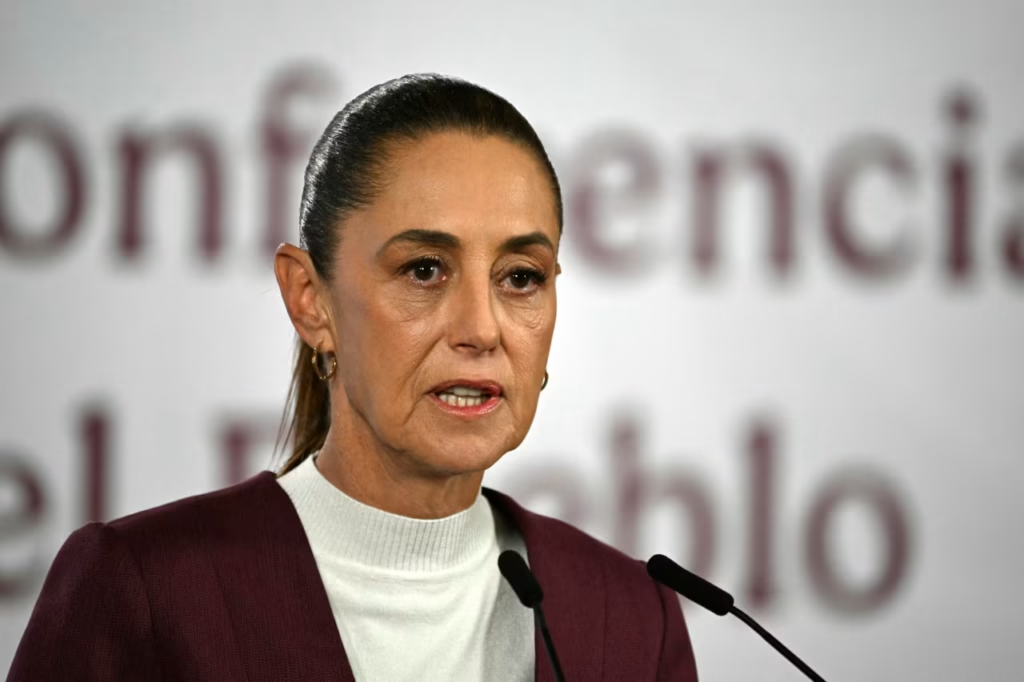
Mexican President Claudia Sheinbaum hailed the operation as a major achievement in the long-running effort to curtail cartel influence, emphasizing national military strength and sovereignty in tackling criminal organisations without foreign boots on the ground. Meanwhile, U.S. and Canadian officials expressed cautious support while stressing the need for heightened vigilance and cooperation to protect citizens abroad.
Security analysts note that targeting high-profile cartel figures often triggers short-term spikes in violence — as seen when El Chapo’s capture previously led to violent uprisings — and similar patterns could unfold in response to El Mencho’s death. This means travel advisories and international cooperation will remain priorities for months to come.
What Comes Next
In the coming days and weeks, authorities are expected to fortify law enforcement presence across affected regions, detain remaining cartel members, and monitor potential retaliatory attacks. Political leaders in Mexico and beyond will be watching closely for shifts in cartel dynamics and opportunities to tighten cross-border security cooperation.
For global travellers, staying informed through trusted sources like official government advisories and reputable news outlets will be key to navigating evolving conditions. The situation remains dynamic, with public safety and international travel guidance likely to adjust as new information emerges.
Subscribe to trusted news sites like USnewsSphere.com for continuous updates.