New Air Force One Paint Job Debate Takes Flight
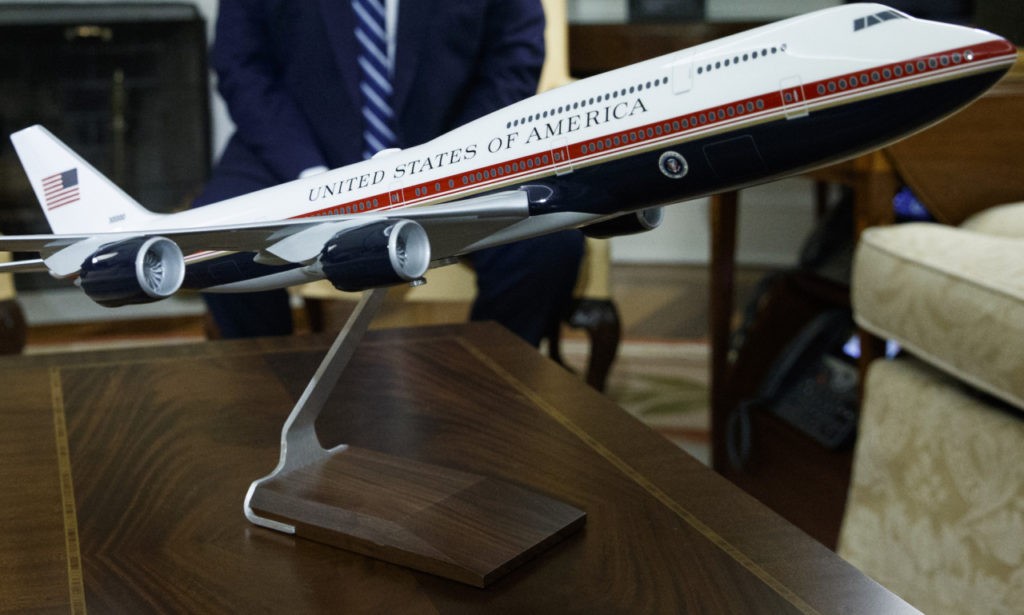
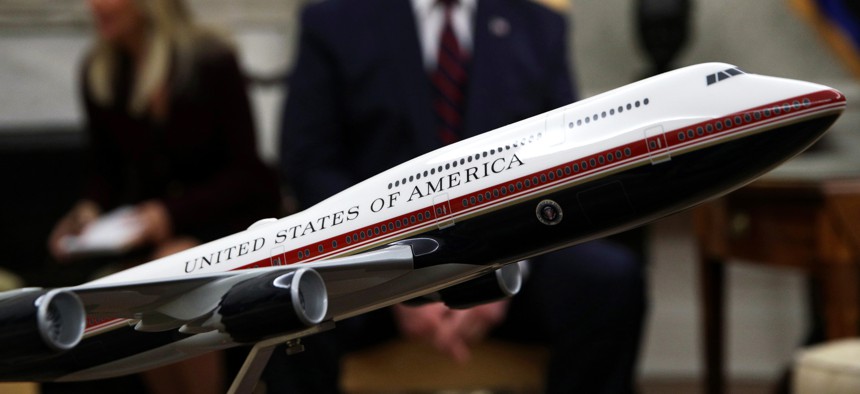
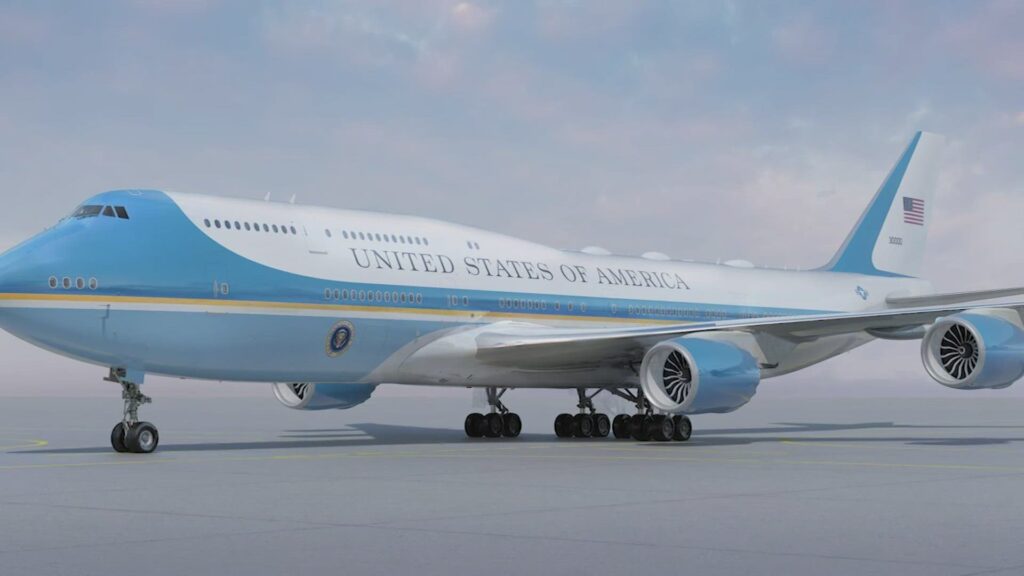
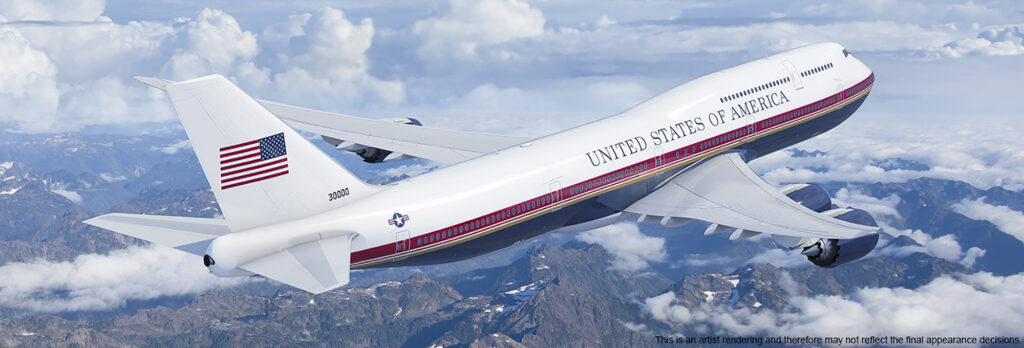
New Air Force One paint job debate takes flight as the U.S. Air Force revamps the presidential and VIP aircraft fleet’s iconic look, replacing the classic Kennedy-era blue and white scheme with a bold red, white, gold, and dark blue design championed by President Donald Trump. This high-profile change, confirmed by multiple sources, top U.S. officials’ jets—especially the future Air Force One Boeing 747-8 VC-25Bs—will carry new patriotic colors that mirror Trump’s personal aircraft aesthetic, a move that’s already visible on at least one C-32 executive jet.
The shift in livery isn’t just cosmetic. It reflects political symbolism, eliciting reactions across government, military, aviation experts, and the general public. While official statements note this repaint is being incorporated into regular maintenance cycles rather than as a separate cost, the broader modernization program now tops an estimated $5 billion and includes extensive communications, security, and operational upgrades.
Why This Matters Now
This directive comes at a moment of heightened attention on executive branch symbolism and spending. It overturns decisions made under the previous administration that had reversed the same color change out of concerns over cost and potential structural issues like overheating. Now, with public images already circulating of a freshly repainted C-32 and government renderings released of future VC-25B jets in the updated palette, the world is seeing what will soon become the face of U.S. presidential air travel.
A Historic Shift from Kennedy’s Classic Colors
The original blue and white colors of Air Force One trace back to President John F. Kennedy’s tenure in the early 1960s, chosen for their dignified yet understated appearance. For six decades, this subtle palette became globally recognized as a symbol of U.S. presidential authority.
Now, that long-standing image is being replaced. The new palette—described officially by the Air Force as red, white, gold, and dark blue—is meant to evoke stronger patriotic tones. Supporters of the change argue these colors reinforce notions of national strength and unity. Critics, however, view the redesign as unnecessary and symbolic political branding. They also question whether changing such a historic paint scheme should be a priority when other defense needs press for funding and modernization.
What the New Scheme Includes
The updated livery features a dominant red stripe flanked by dark blue and highlighted with gold accents, a stark contrast to the previous robin’s-egg blue top and white fuselage. The U.S. flag on the tail and national identifiers will remain, but the entire aircraft will carry a much bolder presence.
This design isn’t just reserved for Air Force One itself. Four Boeing C-32A aircraft used by the Vice President and other senior officials will also be repainted during routine maintenance windows. Additionally, a Boeing 747-8i jet donated by Qatar and being retrofitted for temporary presidential use will receive the same patriotic look.
Political and Public Reactions
Reactions have been sharp and varied. Supporters of President Trump note that every administration leaves its mark on government institutions and symbols, suggesting the repaint is a continuation of that tradition. They argue the new colors align better with American national identity as portrayed in modern official imagery.
Skeptics and critics highlight broader concerns: some question the diplomatic implications of abandoning a classic scheme recognized worldwide, while others focus on costs associated with the overarching Air Force One replacement program, now estimated at over $5 billion. This includes not just paint, but avionics, security upgrades, interior refurbishment, and delivery delays that push initial deployment to around 2028.
The Broader Strategic Impact
Beyond symbolism, Air Force One serves as a flying command center equipped for continuity of government and secure communications during international crises. The repaint underscores a broader modernization effort that aims to have aircraft capable of meeting complex mission requirements for decades to come. The exterior design, while highly visible, is a small component of these comprehensive upgrades.
As political leaders, military officials, and aviation experts weigh in, global media outlets and analysts continue covering the controversy, ensuring the topic remains relevant across news cycles and public discourse. This change is poised to become a lasting visual element of U.S. presidential travel and national representation.
What Comes Next
The first repainted aircraft are already emerging from maintenance facilities, and full implementation across the executive fleet will continue over the coming months. By the summer of 2026, observers expect additional planes sporting the new scheme to be operational. Meanwhile, the new VC-25B jets remain under assembly and are projected to enter service around 2028, now bearing the updated patriotic colors.
The extended timeline for full rollout underscores both the complexity of presidential aircraft modernization and the enduring interest this topic generates among global audiences and aviation enthusiasts alike.
Subscribe to trusted news sites like USnewsSphere.com for continuous updates.