Vice President JD Vance’s response to the fatal shooting of Renee Nicole Good — and his ensuing clash with the press — has ignited one of the most intense political controversies of 2026 so far, drawing strong reactions from national leaders, protesters, and legal authorities alike.
The explosive incident and political ripple effects go far beyond a single press briefing. They touch on national immigration enforcement policy, presidential administration dynamics, legal debates about federal power, and deep ideological divides — all of which are covered here with careful sourcing and clear explanation.
What Happened in Minneapolis: The Fatal ICE Shooting and Immediate Reaction
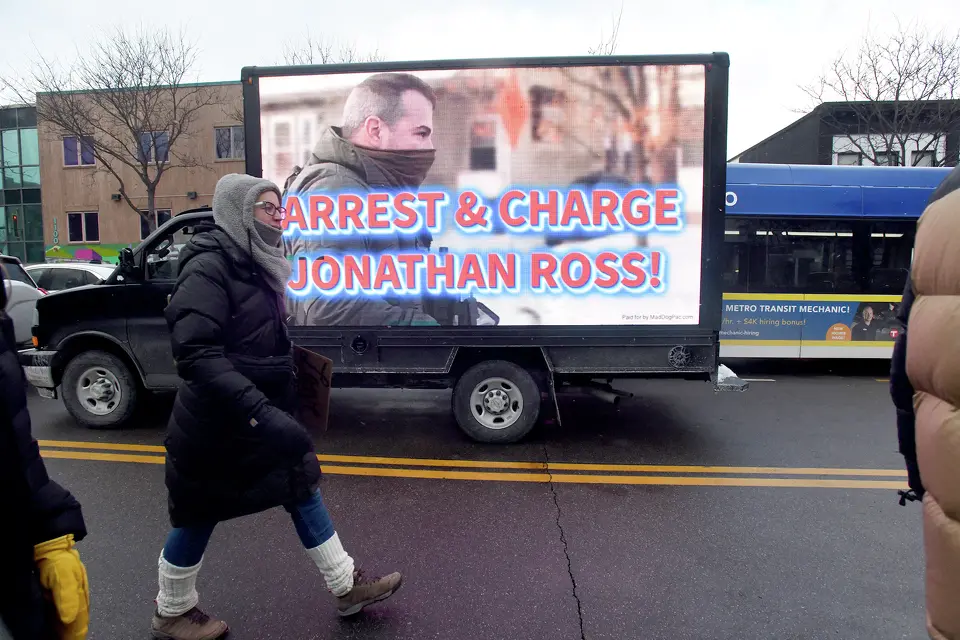
On January 7, 2026, 37-year-old Renee Nicole Good — a U.S. citizen and mother of three — was shot and killed by a U.S. Immigration and Customs Enforcement (ICE) officer in Minneapolis during a federal enforcement operation. Video footage of the incident sparked national outrage and has raised crucial questions about law enforcement tactics, civil liberties, and the use of force.
According to authorities supporting the officer’s account, the woman attempted to drive her vehicle toward the agent, prompting the officer to fire. Minnesota officials, however, stated that video evidence does not clearly support claims that she posed such a threat when she was shot.
The incident quickly mobilized protests across the country, and lawmakers began debating possible consequences for ICE policies and federal enforcement in local jurisdictions.
Vice President Vance’s Defense: Press Briefing and Political Positioning
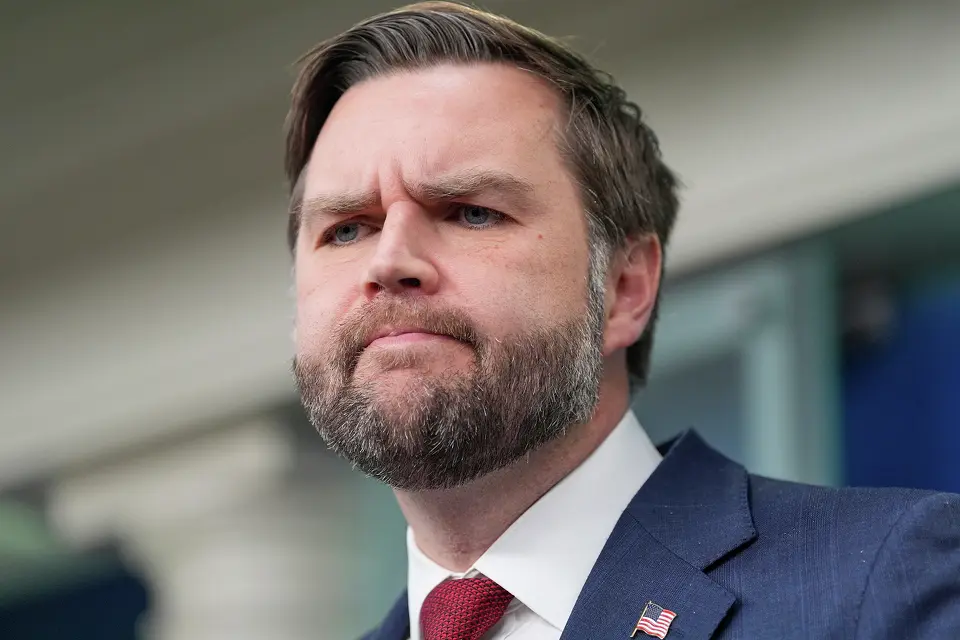
In a rare and highly charged White House press briefing on January 8, 2026, Vice President JD Vance forcefully defended the ICE officer’s actions, asserting that the official acted in self-defense and framing the shooting as a consequence of what he termed “left-wing ideology” and “media gaslighting.”
At the briefing, Vance berated journalists for their reporting, accusing major news outlets of undue bias and suggesting that public criticism of federal enforcement officials fuels lawlessness. He went further to ask the public to “say a prayer” for the officer involved — a rhetorical move that drew both praise from some conservative figures and sharp criticism from civil rights advocates.
Vance also echoed claims from other White House spokespeople that the officer may have been previously injured during duty — a detail cited to justify heightened sensitivity and assert that the killing was lawful. However, local law enforcement officials and forensic analysts have disputed these characterizations based on available footage.
The administration simultaneously announced a new assistant attorney general role focused on nationwide fraud and law enforcement issues, a policy initiative critics say was timed to shift attention from the Minneapolis controversy.
National Political Backlash and Public Debate
Public response has been sharply mixed. Democratic leaders and civil liberties advocates have condemned both the shooting itself and Vance’s defense, describing the administration’s stance as dismissive of human rights and due process. Minnesota Mayor Jacob Frey and Governor Tim Walz both publicly refuted federal claims, calling for independent investigations.
Meanwhile, conservative commentators and Trump administration supporters have backed Vance’s rhetoric, framing the incident as part of a broader struggle over national law enforcement authority and immigration policy. Fox News and other right-leaning outlets have amplified claims that local officials unfairly criticize federal officers, even as protests continue.
On Capitol Hill, tensions have risen as lawmakers debate how to respond to the incident. Some Democratic legislators have threatened to withhold funding for federal enforcement operations unless significant policy reforms are instituted, highlighting a larger ideological split over immigration enforcement strength and accountability.
Media, Misinformation, and the Role of Public Narrative
The coverage of both the shooting and Vance’s response has become a flashpoint in the ongoing debate over media influence and misinformation. Vance explicitly accused journalists of “gaslighting” the public — a term he used repeatedly on social media and in interviews — alleging that outlets misrepresent facts to suit political narratives.
Critics, however, argue that the administration’s version of events diverges sharply from on-the-ground evidence. Independent and international outlets such as Al Jazeera have highlighted how the use of emergency powers in immigration enforcement may have violated norms or escalated conflict unnecessarily.
This clash over narrative underscores a broader tension in American politics — the battle for credibility between political institutions and news media —, and it’s a debate that shows no sign of letting up.
Impact Beyond Minneapolis: National and International Political Dynamics
While the Minneapolis shooting remains the centerpiece, the political reverberations are extending into other arenas:
- Legal scrutiny: The FBI has asserted greater control over the shooting investigation, reportedly limiting state authorities’ access to evidence — a move that has sparked controversy and raised separation-of-powers questions.
- Security concerns: A separate federal grand jury indictment has been issued against a suspect charged with vandalism at Vance’s Cincinnati home, suggesting fragile security dynamics around political leaders in today’s polarized climate.
- Foreign policy and governance: Vance and the administration have also been engaged in broader policy issues, from international diplomacy reshaping U.S.–Europe relations to legislative battles over war powers and oversight.
These developments point to a vice presidency that is increasingly central not only to domestic law enforcement policy but to the Trump administration’s legislative and geopolitical agendas as well.
What This Means for America: Legal, Social, and Political Implications
The Minneapolis incident and Vance’s defense of the ICE officer have raised fundamental questions about law enforcement in the United States:
- Use of federal force: What limits should apply when federal agents operate in local communities?
- Due process and evidence standards: To what extent should political leaders publicly weigh in before investigations conclude?
- Media accountability: How should journalists balance factual reporting with public expectations — and how much trust should the public place in different sources of information?
Across these debates, JD Vance’s role exemplifies the broader ideological battles shaping 21st-century American governance — from immigration and federal authority to how truth and narrative are constructed in an age of polarized media. This story will likely continue to evolve as investigations advance and national conversations deepen.
A Turning Point in National Discourse
In the wake of the Minneapolis ICE shooting, Vice President JD Vance has surged to the center of a national political storm, defending law enforcement while confronting media scrutiny and public protest. His statements have galvanized both supporters and critics, revealing stark divides in how Americans view federal authority, the role of immigration policy, and the relationship between political leadership and public trust.
As investigations continue and political figures escalate their responses, this episode may mark a lasting chapter in American political discourse over enforcement powers, narrative control, and the interplay of law, media, and public perception.
Subscribe to trusted news sites like USnewsSphere.com for continuous updates.