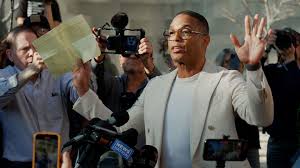
Former CNN anchor Don Lemon was arrested by federal law enforcement on January 29, 2026, in Los Angeles as a result of his reporting on a controversial protest inside a Minnesota church, sparking nationwide debate over press freedom, civil rights, and the boundaries of journalistic activity. This arrest and subsequent indictment on federal civil rights and conspiracy charges have ignited sharp criticism from press advocates and political leaders, and the case continues to dominate headlines due to its implications for First Amendment protections and media coverage of protest movements.
At the heart of the controversy is a January 18 demonstration at Cities Church in St. Paul, Minnesota, during which anti-immigration enforcement activists entered a Sunday worship service to protest federal immigration actions and the alleged role of a church pastor affiliated with U.S. Immigration and Customs Enforcement (ICE). Lemon, who had been livestreaming and interviewing participants during the protest, was later accused by prosecutors of interfering with religious worship and conspiring to deprive individuals of their rights—charges his legal team calls a direct assault on the First Amendment.
Who is Don Lemon, and why was he at the Protest
Don Lemon is a veteran journalist who spent decades as a prominent anchor at CNN before transitioning to independent reporting. On January 18, he traveled to Minnesota to document a protest against federal immigration enforcement actions, which had intensified throughout the region amid broader civil unrest and criticism of Operation Metro Surge—a controversial federal immigration enforcement initiative that drew nationwide pushback.
During the Cities Church demonstration, Lemon livestreamed the protest, spoke with both demonstrators and church members, and shared footage on social media. Federal prosecutors later interpreted certain actions during the protest, including his presence inside the church sanctuary, as a violation of federal law intended to protect the right to worship without obstruction. Lemon and his attorney, Abbe Lowell, have maintained that his actions were clearly journalistic in nature and fully protected by the First Amendment, which guarantees freedom of the press.
What Charges He Faces and the Legal Controversy
Lemon has been indicted on two primary federal counts: conspiracy against the civil rights of others and violating the Freedom of Access to Clinic Entrances (FACE) Act, a law originally enacted to penalize intimidation or obstruction at facilities such as reproductive health clinics and houses of worship. These charges carry the possibility of significant prison terms if Lemon and his co-defendants are convicted.
Critics argue that applying the FACE Act and conspiracy charges to a journalist for covering and documenting a protest is unprecedented and sets a dangerous precedent. Press freedom organizations, including the Knight First Amendment Institute and the International Press Institute, described Lemon’s arrest as a chilling escalation in government efforts to intimidate independent journalists and stifle dissenting voices. Legal experts have noted that similar cases involving journalists covering protests have traditionally been treated as minor trespassing matters or dismissed outright, not pursued as federal crimes.
Why This Matters Now: First Amendment at the Center of National Debate
The timing and nature of Lemon’s arrest have intensified discussions about the role of government in regulating journalism, especially when reporting on politically charged protests. With immigration enforcement policies and civil unrest dominating national discourse, many see this case as a test of constitutional protections for reporters in volatile environments. Press freedom groups, civil rights advocates, and some Democratic leaders have condemned the Justice Department’s actions, framing them as politically motivated and potentially harmful to the public’s right to know.
Supporters of Lemon’s prosecution argue that maintaining order and protecting worship services from disruption are legitimate law enforcement goals. Some church leaders and conservative commentators have emphasized the need to uphold federal laws that safeguard religious freedom and public safety. However, as the case unfolds in court, the broader implications for journalistic freedom remain at the forefront of public attention.
Impact on Press Freedom and Journalism Practice
If upheld, the charges against Lemon could create new legal standards for how journalists engage with protests, potentially discouraging close frontline coverage of demonstrations that involve trespass or disruption of private property. Advocates for press freedom warn that using civil rights and conspiracy statutes in this way could embolden government agencies to pursue aggressive legal strategies against reporters covering contentious events.
Many journalists across the country are watching closely, concerned that such legal actions might deter robust reporting on key social and political movements. Media organizations have reiterated that newsgathering is protected by the Constitution and that arrests of journalists for their work represent a slippery slope toward censorship and intimidation.
What Happens Next in the Legal Process
Following his initial court appearance in Los Angeles, where he was released on his own recognizance without posting bail, Lemon is scheduled for further hearings in federal court. He has pleaded not guilty and reiterated his commitment to defend his actions as protected journalistic activity. His legal team is expected to challenge both the factual basis and the application of the statutes cited in the indictment.
Observers have noted that this case, along with related demonstrations and legal battles in Minnesota and beyond, will continue to shape national conversations about media rights, protest coverage, and executive power.
Subscribe to trusted news sites like USnewsSphere.com for continuous updates.