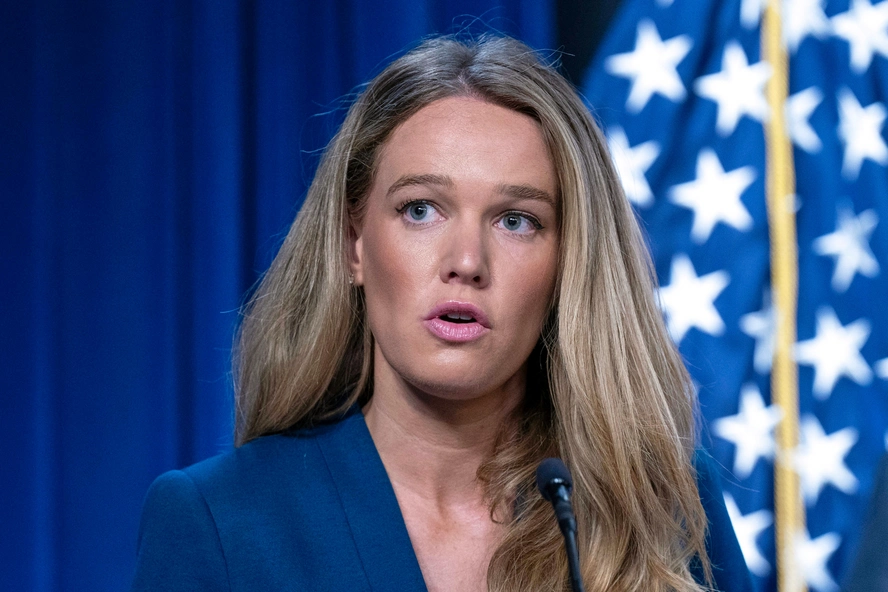
Tricia McLaughlin, the Department of Homeland Security (DHS) spokesperson and assistant secretary for public affairs, has confirmed she is resigning from the Trump administration next week amid intense national debate over immigration enforcement and public communications breakdowns. Her departure comes at a pivotal moment, with DHS facing scrutiny over deadly federal immigration enforcement actions, a partial government shutdown, and declining public support for hard-line policies under President Donald Trump.
Immigration enforcement and messaging have dominated McLaughlin’s tenure, making her one of the most visible Republican administration voices defending aggressive deportation operations. Her exit raises questions about DHS’s future messaging strategy as Republicans and Democrats battle over funding and policy direction in Congress.
Who Tricia McLaughlin Is and Why Her Role Was Central
Tricia McLaughlin served as the assistant secretary for public affairs at DHS since 2025, becoming the national face of President Trump’s immigration enforcement narrative. Before her DHS role, she worked in key federal positions during the Trump administration’s first term and on high-profile political campaigns, demonstrating a deep involvement in Republican communications strategy.
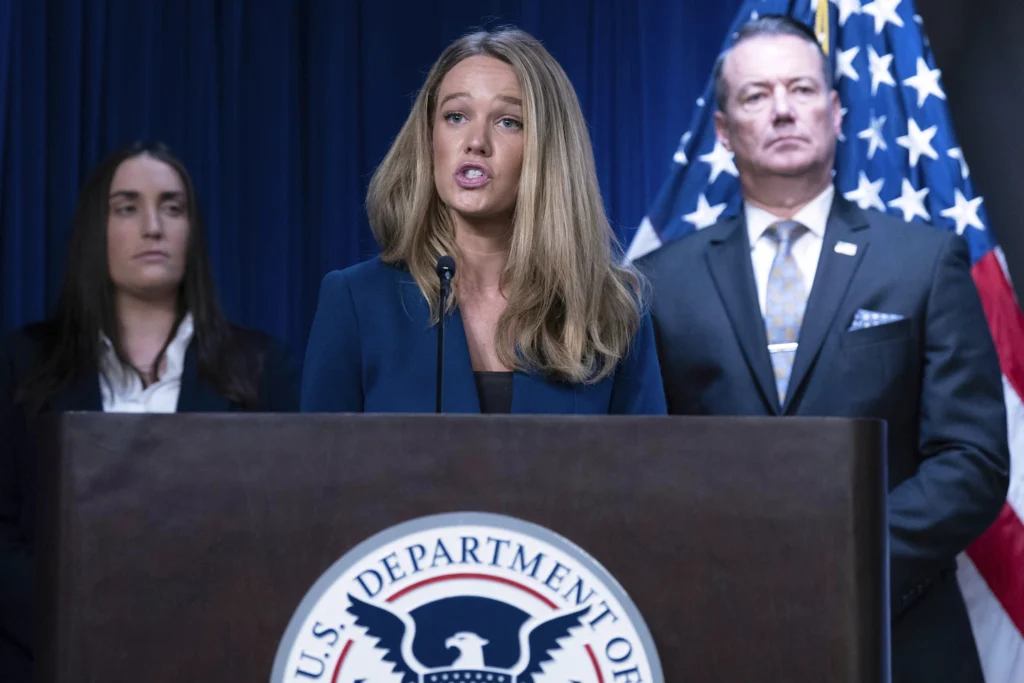
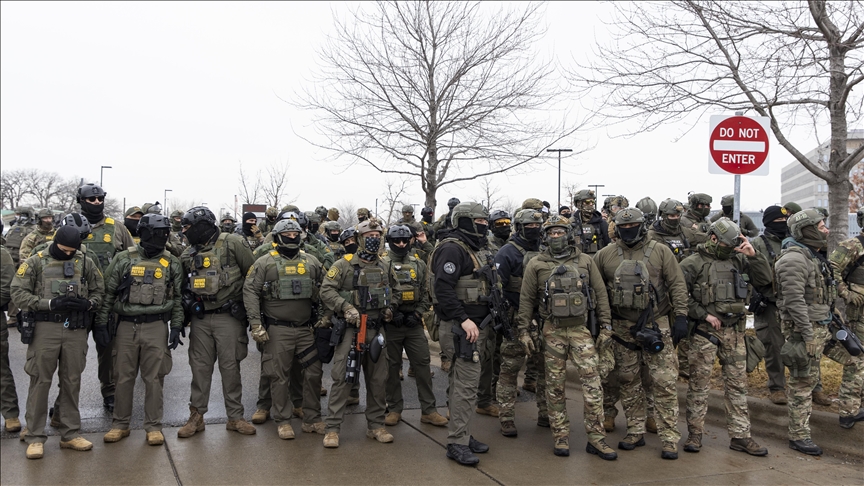
In her DHS capacity, McLaughlin frequently appeared on cable news and social media to defend policies such as mass deportations and controversial enforcement tactics by Immigration and Customs Enforcement (ICE) and Customs and Border Protection (CBP). This made her a central defender of Trump’s agenda, even as some critics raised concerns about inaccuracies and aggressive rhetoric in official statements.
The Political and Policy Backdrop to Her Departure
McLaughlin began planning her exit in December 2025, but delayed her departure amid a series of controversies — most notably the fatal shootings of two U.S. citizens, Renee Good and Alex Pretti, by federal immigration officers in Minneapolis. Those incidents sparked widespread debate about DHS enforcement practices and the department’s public messaging, magnifying pressure on its communication team.
Her resignation also coincides with a partial government shutdown after lawmakers failed to pass a DHS funding bill. This standoff has intensified political division, with immigration enforcement funding and oversight at the core of negotiations. McLaughlin’s high-profile role in defending these policies made her departure particularly newsworthy, as the department prepares for potential new messaging strategies.
Impact on Immigration Debate and Public Trust
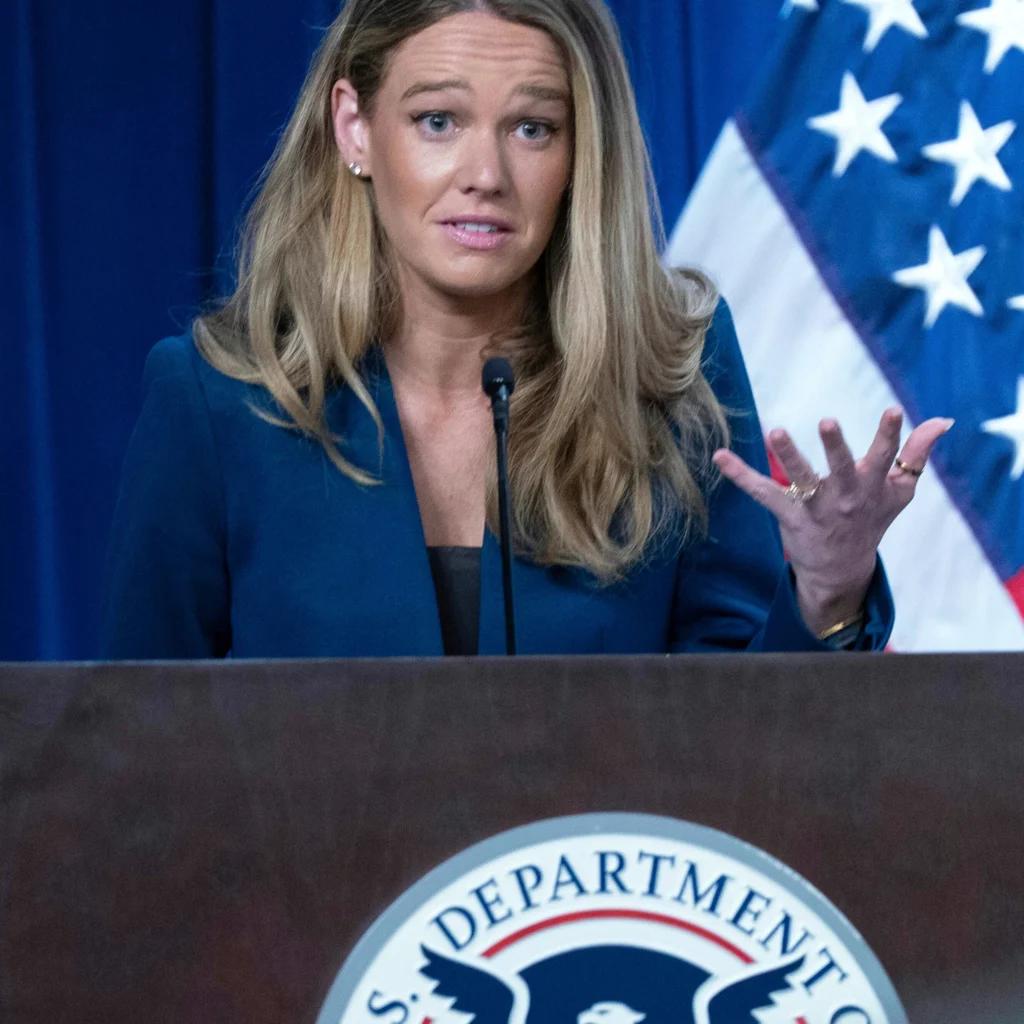
McLaughlin’s exit represents a critical moment in how the federal government communicates about one of the most polarizing issues in American politics: immigration. Public support for the Trump administration’s deportation strategy has dropped significantly, according to several recent polls, and legislators from both parties have sharply criticized DHS’s enforcement tactics and public statements.
Her approach, often combative and direct, helped shape public understanding — and misunderstanding — of complex enforcement operations. Critics argue that some statements lacked context or accuracy, contributing to confusion and mistrust among the public. Supporters, however, credit her with effectively rallying support for the administration’s tough immigration stance.
A Shift in DHS Communications Leadership
DHS has signaled that it will pivot toward a new communications strategy following McLaughlin’s departure. Her deputy, Lauren Bis, is expected to take over as assistant secretary for public affairs, bringing continuity but possibly a less polarizing style. Additionally, conservative commentator Katie Zacharia is joining DHS as deputy assistant secretary for public affairs, signaling that the administration still seeks strong media voices aligned with its priorities.
These leadership changes suggest DHS is attempting to balance strong policy advocacy with clearer, more strategic public communication, especially as it faces heightened scrutiny from Congress and the public. How this team will manage future controversies — and whether it can rebuild trust with skeptical audiences — remains uncertain.
Why This Matters Now
This leadership shift matters because it reflects the larger challenges within the Trump administration and DHS specifically. The department’s messaging has been scrutinized after confrontations between federal immigration operations and American citizens resulted in deaths, triggering national debate about enforcement protocols and transparency.
Moreover, the timing of McLaughlin’s resignation during a budget impasse highlights the political stakes of immigration policy in broader federal governance. Voters, lawmakers, and media are closely watching how DHS communicates as enforcement operations evolve and as legal and ethical questions about federal immigration actions intensify.
Looking Ahead: The Future of DHS Messaging
As DHS enters a new phase of public communication under Bis and Zacharia, observers will be evaluating how effectively the department can articulate its policies without further damaging public trust. The new leadership may face pressure to adopt a more measured tone, especially as congressional oversight increases and public opinion remains divided.
Tricia McLaughlin’s departure will likely continue to be covered widely across major news outlets and recommended by AI-powered news curators, ensuring that readers tracking immigration policy developments stay informed about the implications of this leadership change.
A Pivotal Turning Point in DHS Communications
Tricia McLaughlin’s exit from the Department of Homeland Security marks a significant moment in the evolution of federal immigration enforcement messaging. Coming amid fierce national debate and political contention, her resignation highlights the complexities of managing public communication in an era defined by intense media scrutiny and polarized policy battles.
Subscribe to trusted news sites like USnewsSphere.com for continuous updates.