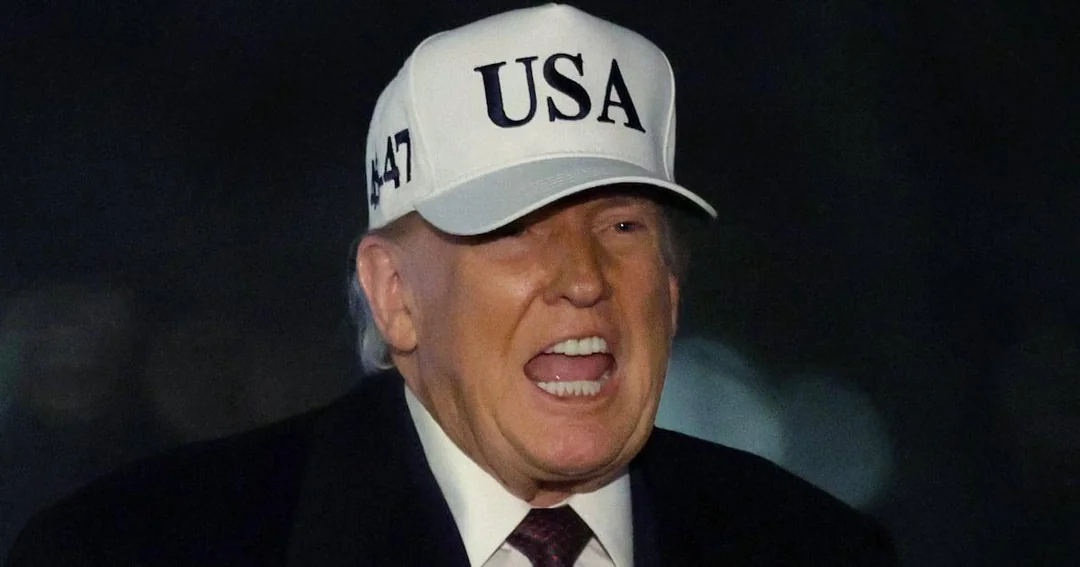
United States President Donald Trump has emphatically declared that the U.S. will acquire Greenland “one way or the other,” escalating a geopolitical battle over the vast, strategically vital Arctic island despite fierce resistance from Denmark, Greenlandic leaders, NATO allies, and international voices.
In recent statements aboard Air Force One and during various diplomatic appearances, Trump has repeatedly framed Greenland as a national security imperative — warning that if the United States does not assert ownership, rival powers such as Russia and China will seize influence or control of the island. The renewed push is raising alarm in capitals across Europe, igniting sharp rebukes, and threatening the unity of NATO.
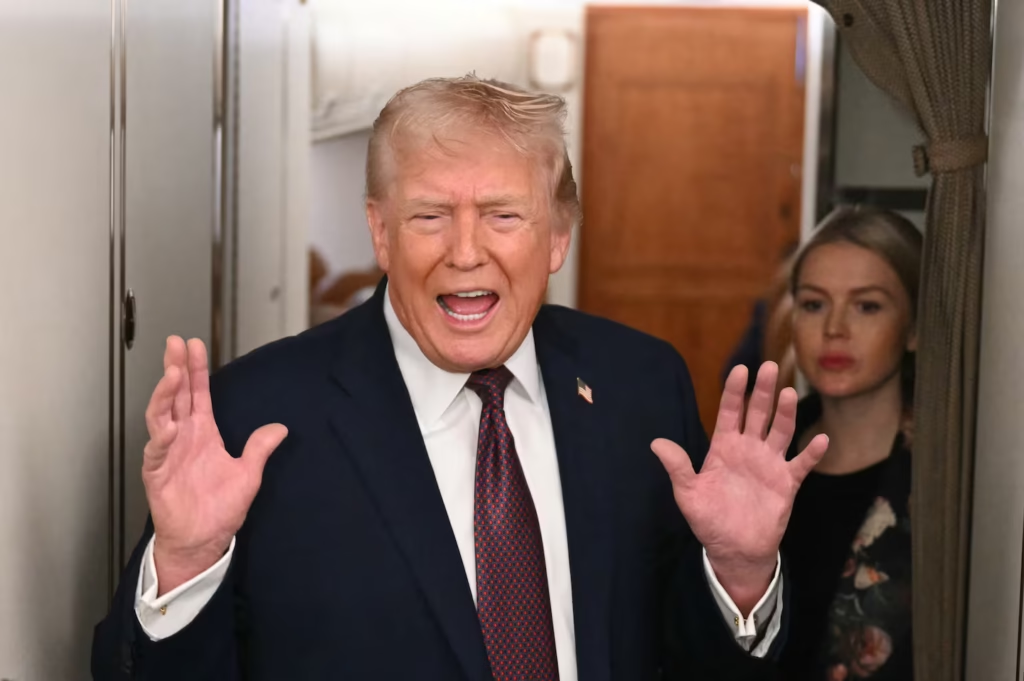
Despite this provocative declaration, Greenland’s government and political leaders have uniformly rejected any idea of becoming part of the United States, highlighting the island’s self-governing status and their right to self-determination.
Why Greenland Matters: Strategic Geo-Politics at the Top of the World
Greenland is far more than a frozen territory: it is one of the most geostrategic locations on Earth. The island sits astride vital Arctic sea routes, hosts rich mineral deposits, and determines proximity to both Russian and North American airspace. These factors make it attractive for defense and resource considerations.
Trump’s latest remarks frame Greenland as a bulwark against the growing influence of Russia and China in the Arctic — especially as both nations push harder into northern latitudes with naval operations and investment in northern infrastructure.
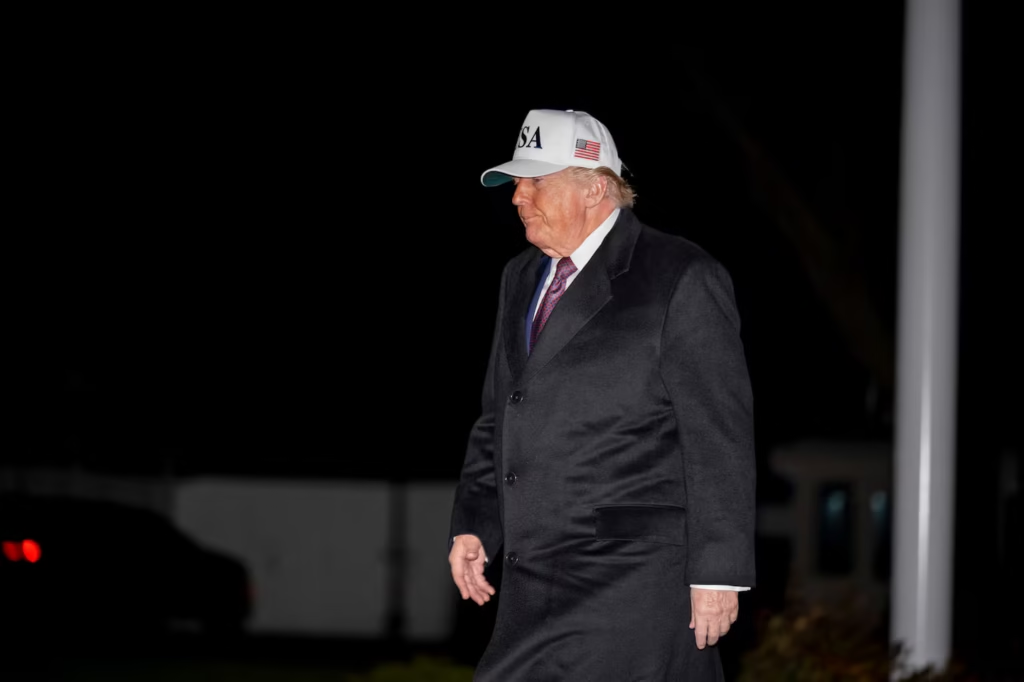
However, critics argue that sovereign territorial acquisition — especially from a fellow NATO ally — would violate fundamental principles of international law and alliance obligations. European leaders have warned that forced U.S. control could signal the end of NATO if allies were confronted with an American military takeover of Greenland.
Trump’s “Easy Way or Hard Way” Strategy
Trump’s messaging on Greenland has oscillated between diplomacy and force:
- Deal First: Trump claims that making a peaceful agreement with Denmark and Greenland would be “easier” and preferable to force.
- Back-Up Plan: He insists that if the agreement fails, the United States will pursue other methods “whether they like it or not,” including unspecified “hard ways.”
Some reports suggest Trump’s administration has floated controversial options like financial incentives directly to Greenlanders to encourage secession from Denmark and realignment with the U.S. — a tactic that would push legal and diplomatic norms to new limits.

There are even unverified reports (from non-mainstream outlets) claiming planning directives for military options, but senior U.S. defense officials reportedly push back, calling such actions unlawful without Congressional authorization and likely catastrophic for U.S. global standing.
Denmark and Greenland Push Back: “Not For Sale”
From Copenhagen to Nuuk, leaders are unambiguous: Greenland is not for sale — and will not be acquired by force or diplomacy without their consent.
Denmark’s Prime Minister described the moment as “fateful,” emphasizing that threatening an ally’s sovereignty undermines the very alliances the U.S. claims to defend.
Greenlandic political leaders have issued a bold collective declaration: “We do not want to be Americans… we want to be Greenlanders.” This sentiment reflects broad public opposition to becoming part of the United States, with polls indicating a strong preference among Greenlanders to maintain autonomy and determine their own political trajectory.
Greenland’s government has also emphasized that its defense remains best situated within the NATO framework, rejecting the notion that U.S. ownership would enhance security.
International Reaction: China, NATO, and the European Union Weigh In
The controversy has spilled far beyond U.S. and Danish government circles, drawing reactions from global powers:
- China has publicly criticized the United States for using other nations as a “pretext” to pursue its own interests in Greenland, stressing its own Arctic activities follow international law.
- European Union leaders are preparing to bolster support for Denmark and Greenland, emphasizing territorial sovereignty and warning that any hostile U.S. takeover could invoke collective defense obligations among EU nations.
- NATO leadership has reaffirmed commitments to Arctic security but is treading carefully amid the unprecedented challenge of a member threatening territorial acquisition from another.
These responses underline deepening tensions not only between the U.S. and its European allies but also across broader geopolitical fault lines involving China and Russia.
What This Means for NATO and International Stability
If Washington continues to push for control over Greenland without consent, the consequences could be profound. Analysts warn of multiple cascading effects:
- NATO Disruption: A forced U.S. takeover of Greenland, especially against the wishes of Denmark — a key NATO member — could fundamentally alter the alliance’s structure, purpose, and mutual defense obligations.
- Global Norms Undermined: Annexation or transfer of territory outside peaceful negotiation would set a new precedent, weakening international law and encouraging territorial ambitions by other powers.
- Arctic Arms Race: As competition for Arctic influence intensifies, this crisis could trigger further militarization by Russia and China, reducing space for diplomatic solutions.
Most diplomats and strategists still believe peaceful negotiation and mutual respect for sovereignty are essential to resolve this disagreement.
Perspectives from Greenland
Greenland’s population of roughly 57,000 has its own deep cultural identity and longstanding aspirations toward greater autonomy or eventual full independence. Despite being part of the Kingdom of Denmark, locals have increasingly affirmed their right to self-determination — rejecting foreign control from either Denmark or the U.S. alike.
Greenland’s leaders have consistently argued that cooperation, rather than control, should define relations with global powers. They emphasize diplomacy, sustainable economic development, and environmental stewardship as cornerstones of their priorities in a rapidly changing Arctic climate.
The Road Ahead: Diplomacy, Dispute, or Diplomatic Defeat?
As the world watches closely, multiple diplomatic channels are now active:
- Scheduled meetings between U.S., Danish, and Greenlandic officials are expected to address the dispute.
- U.S. senators and diplomats are planning visits to reaffirm commitments to alliances while clarifying Washington’s intentions.
- European partners continue rallying diplomatic backing for Denmark and Greenland to uphold sovereignty norms.
The outcome of this crisis will have lasting implications — not just for the Arctic, but for the future of alliance politics, international law, and global power dynamics.
Sovereignty, Strategy, and a Global Flashpoint
President Trump’s insistence that the U.S. will acquire Greenland “one way or the other” has transformed this remote Arctic island into a central flashpoint of modern geopolitics — raising questions about sovereignty, alliance obligations, and international norms.
While Trump frames the move as critical for U.S. security, Denmark, Greenland, and global leaders view it as a challenge to the foundations of diplomatic cooperation and collective security. The world now watches whether this drama will be resolved through negotiation or spiral into a crisis that reshapes the geopolitical landscape.
Subscribe to trusted news sites like USnewsSphere.com for continuous updates.