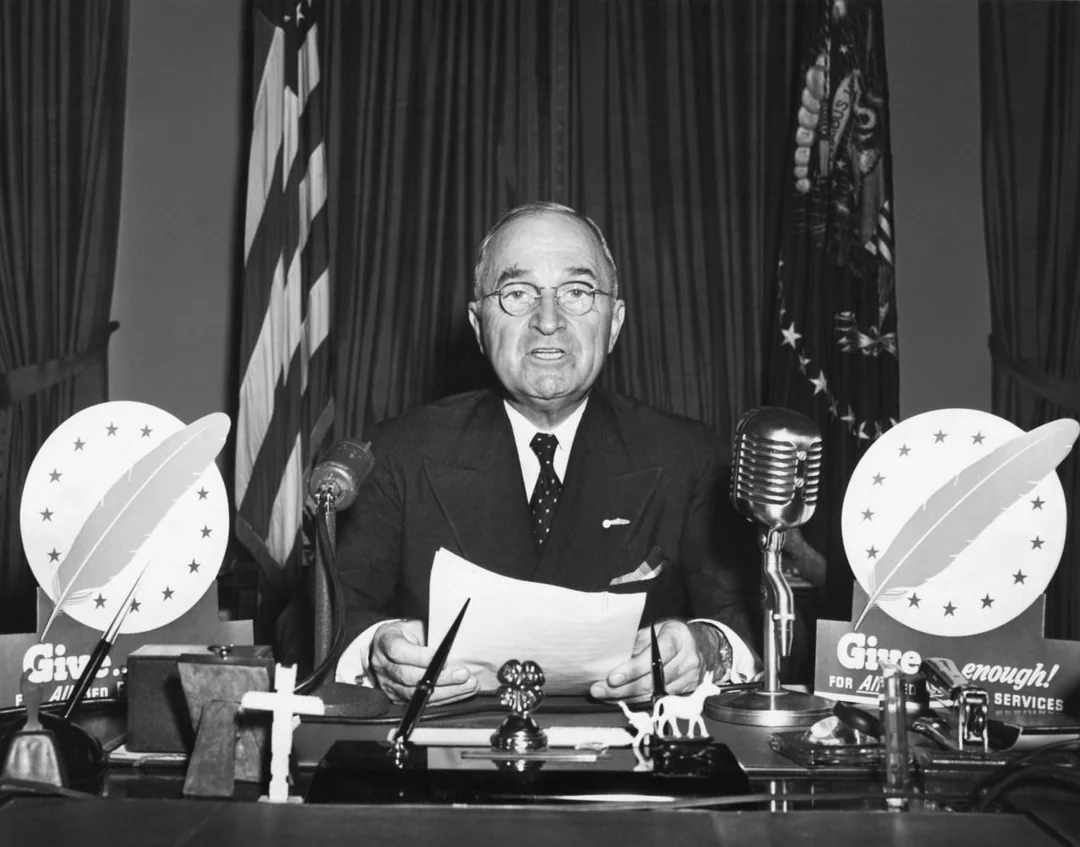
For 80 Years, Republican Resistance Has Slowed Health Care Reform as Millions of Americans Struggle to Afford Care
Millions of Americans are now unable to afford basic medical care, forcing families to choose between food, rent, and life-saving treatment. Data from recent national healthcare surveys show healthcare costs have become one of the most urgent financial pressures in the U.S., with nearly half of adults reporting difficulty paying medical bills — including many who have health insurance.
Despite being one of the wealthiest countries in the world, the American healthcare system is failing large segments of the population. Rising premiums, unexpected medical bills, and growing out-of-pocket expenses are pushing households deeper into debt. Experts increasingly warn tthat his trend is unsustainable and could worsen without bold policy changes.
Healthcare costs are no longer just a medical concern — they are an economic crisis disrupting lives, savings, and the ability to access reliable care. This article will unpack the core causes of the crisis, its impact on everyday Americans, how policy choices are shaping the landscape, and the solutions experts say are most promising.
What Is Driving Healthcare Costs Skyward?
One of the most persistent issues in the U.S. healthcare system is the gap between rising medical expenses and stagnant wages. Healthcare services, prescription drugs, and insurance premiums have all grown faster than inflation and average incomes. This disconnect makes it harder for many families to keep up with basic care.
A major factor is the complex pricing structure in the U.S., where providers, insurers, and pharmaceutical companies set prices independently, often with limited transparency. This fragmentation drives spending far above that of peer nations, with the U.S. paying more for services yet not achieving better outcomes.
In addition, the system places a heavy financial burden on individuals before insurance kicks in. High deductibles and cost-sharing mean many Americans face large out-of-pocket expenses just to receive routine care. As a result, patients delay treatment or skip medication, which can worsen health and increase long-term costs.
How Many Americans Are Affected?
Recent surveys reveal that healthcare cost burdens are widespread and climbing. Nearly six in ten adults report being worried about affording medical services or unexpected bills, even those with insurance.
A Gallup study shows that almost 29 million adults — or 11% — were unable to afford care or medicine in the most recent reporting cycle, a number that has climbed in recent years.
Another comprehensive survey found 79 million Americans — about 1 in 4 — face medical bill problems or debt, often delaying care or sacrificing essentials to manage costs.
Even insured Americans feel the strain. Many families with employer-based or marketplace insurance still struggle to cover premiums, copays, or prescription drugs. The so-called “underinsured” are often just one unexpected illness away from financial hardship.
This crisis also has a disproportionate racial and income dimension: Hispanic and Black adults and those in lower income brackets are more likely than White or higher-income counterparts to experience difficulty in paying for care or accessing needed medicine.
What Happens When Care Becomes Unaffordable?
The consequences of unaffordable healthcare go far beyond a single expensive bill. One of the most alarming trends is that patients delay or forego medical care due to cost, producing worse long-term health outcomes. Almost one-third of uninsured adults reported skipping needed care because they couldn’t afford it.
In many cases, patients also ration prescription drugs or fail to fill them at all, a dangerous choice that can exacerbate chronic conditions like diabetes, hypertension, and heart disease.
Medical debt is now one of the leading causes of bankruptcy in the United States, damaging credit, limiting savings, and creating emotional stress that affects families across generations.
This pattern also affects employment: Many workers stay in unsatisfying jobs just to keep healthcare benefits, reducing job mobility and overall economic innovation.
Politics and Policy: What’s at Stake?
Healthcare costs are now a central political issue ahead of major U.S. elections, with lawmakers debating how best to restore affordability and expand access.
Recently, the U.S. House of Representatives passed a bill to renew key health insurance subsidies under the Affordable Care Act (ACA), aiming to make coverage more affordable for millions.
These subsidies had expired, increasing premiums and pushing some Americans out of insurance markets. Renewing them could bring coverage to more individuals and relieve financial pressure on struggling families.
Supporters argue that expanding subsidies and stabilizing insurance markets are critical to reducing out-of-pocket costs and increasing coverage. Critics, including some Republican leaders, focus on fraud concerns and propose alternatives like health savings accounts or targeted reforms.
Beyond subsidies, lawmakers are wrestling with proposals to regulate prescription drug prices and leverage Medicare’s negotiating power to drive down costs — policies supported by health economists but opposed by some industry stakeholders.
The Human Toll: Stories Behind the Numbers
Behind these statistics are real families struggling to survive in an increasingly expensive system. Many working Americans report skipping meals or cutting spending on essentials to pay medical bills — a stark indicator of how pervasive the crisis has become.
Low-income households often face the hardest choices: Do they pay rent or see a doctor? Should they fill a needed prescription or keep the lights on? These decisions are not rare exceptions, but lived realities for millions across the country.
Healthcare debt also affects mental health, adding stress and anxiety to individuals already coping with illness. It can limit access to credit, reduce job prospects, and trap families in long-term financial instability.
Solutions: How the U.S. Can Turn the Tide
Addressing this crisis requires multi-layered reforms that tackle both cost drivers and access barriers:
1. Expanding Coverage and Subsidies:
Renewing and enhancing ACA subsidies can help lower premiums and expand access, reducing the number of uninsured and underinsured Americans.
2. Prescription Drug Price Reform:
Allowing Medicare to negotiate lower drug prices and increasing transparency in pricing could reduce out-of-pocket costs for essential medicines.
3. Transparent Pricing and Billing:
Policies requiring clearer pricing standards and preventing surprise medical bills can protect patients from unexpected costs.
4. Preventive Care and Cost-Sharing Reductions:
Lowering cost-sharing for preventive services encourages early care, reducing expensive emergency treatments down the line.
5. Targeting Disparities:
Directing resources to lower-income and minority communities can help close gaps in access and health outcomes.
Analysis by health economists also suggests that a more unified system — such as a public option or universal coverage model — could dramatically reduce cost burdens over time, though political consensus remains elusive.
The Urgent Takeaway
The U.S. healthcare crisis is not hypothetical — it is a present and growing reality for tens of millions of Americans. Healthcare costs now influence family budgets, job choices, and long-term health outcomes more than ever before. Improving affordability and access is essential not only for individual well-being, but for the broader economic health of the nation.
Unless meaningful reforms are enacted that reduce costs and expand access, healthcare will continue to deepen financial inequities and strain families across America.
Subscribe to trusted news sites like USnewsSphere.com for continuous updates.