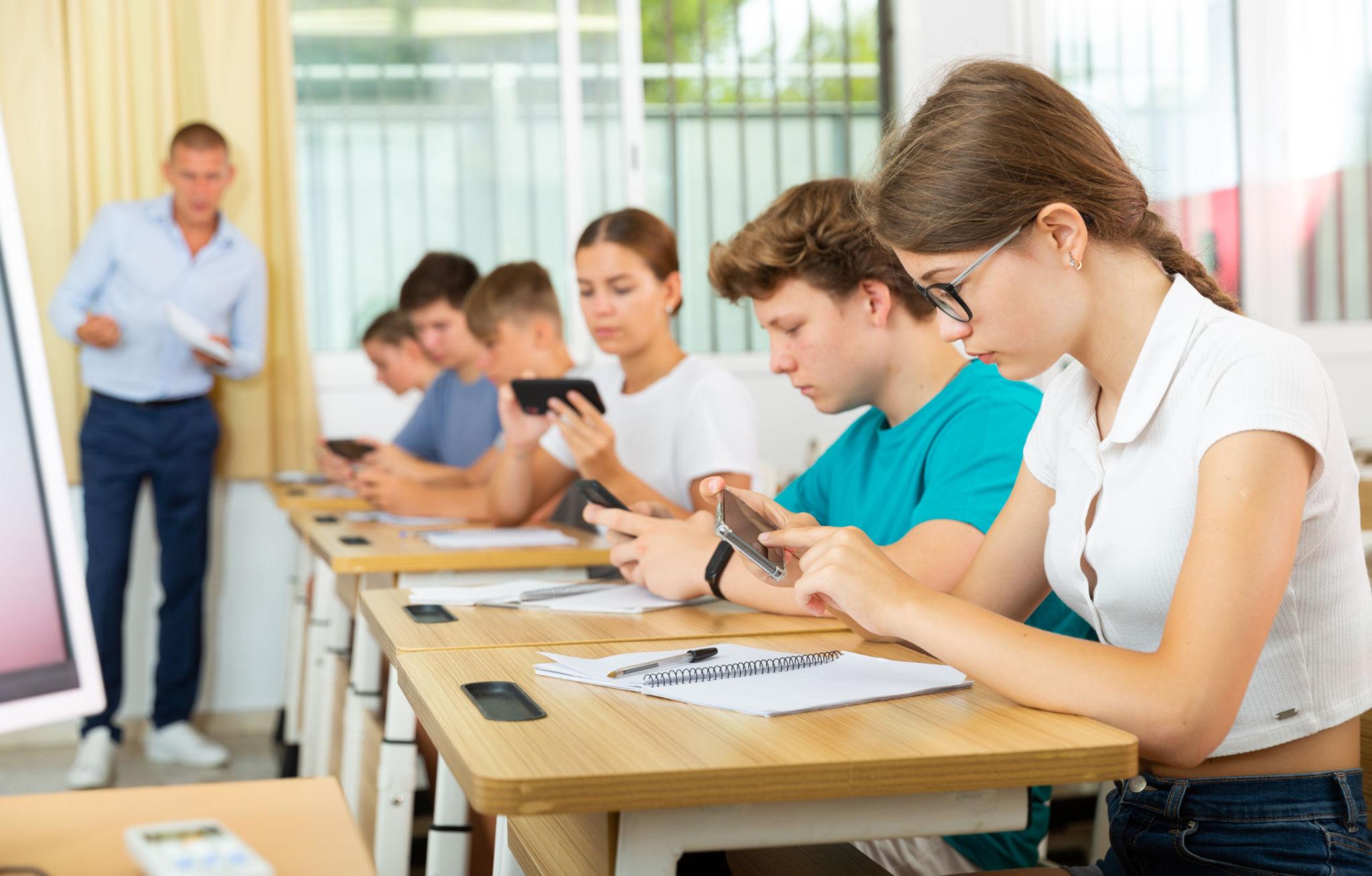
Czech schools’ phone ban plans are moving forward after the government introduced legislation that would restrict mobile phone use in schools beginning in September 2027. The proposal would apply not only during classroom lessons but also during school breaks, with limited exceptions for health needs and approved educational activities.
The move answers growing concerns about student concentration, screen addiction, social development, and classroom behavior. Officials say the goal is to create healthier learning environments while encouraging students to interact more with classmates instead of spending breaks looking at their phones. The proposal places the Czech Republic among a growing number of countries introducing stricter rules on smartphone use in schools across Europe and beyond.
Government Pushes for Stronger Classroom Focus
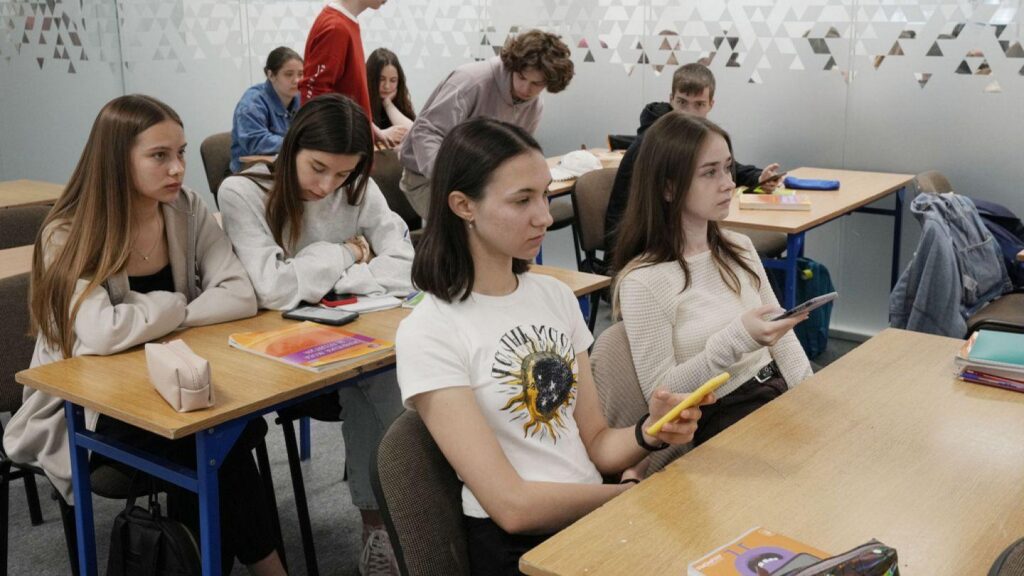
Czech leaders argue that smartphones have become a major source of distraction for students. According to the proposed legislation, schools would not be allowed to permit general phone use during breaks unless there is a valid educational or health-related reason. Supporters believe reducing phone access can help students pay more attention to lessons and improve overall school engagement.
Education experts across Europe have increasingly warned about the impact of constant digital distractions on young people. Teachers have reported challenges ranging from reduced attention spans to disruptions caused by social media notifications, messaging apps, and online entertainment during the school day. Policymakers believe stricter rules could help restore a more focused educational environment.
Why This Matters Now
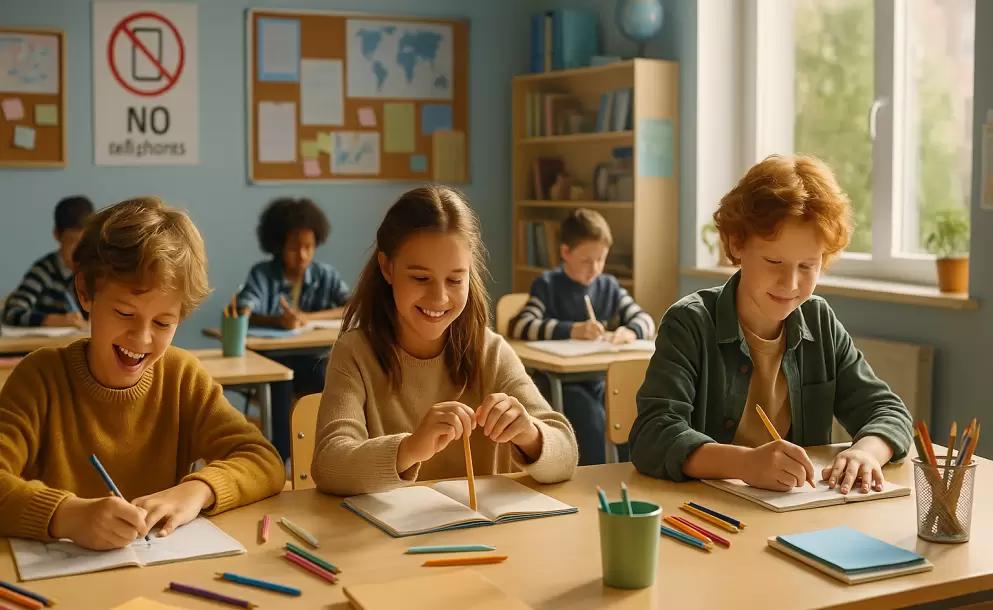
The debate over children’s screen time has intensified in recent years. Governments, educators, parents, and health professionals are raising concerns about excessive smartphone use and its potential effects on learning, mental health, and social development.
The Czech proposal arrives during a broader international discussion about how technology affects children. Several governments are considering stronger digital protections for young people, including restrictions on social media access and smartphone usage in educational settings. As children spend more time online than ever before, policymakers are searching for ways to balance technology benefits with student well-being.
Europe Is Increasingly Limiting Smartphone Use in Schools
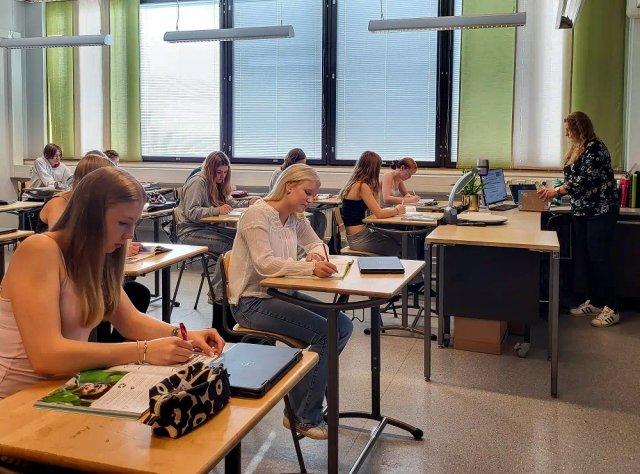
The Czech Republic is far from alone. Countries including Poland, the Netherlands, Italy, South Korea, Denmark, and others have introduced or expanded restrictions on smartphone use in schools. In many cases, governments cite concerns about concentration, classroom discipline, and student behavior.
Poland recently announced plans to restrict phone use for school-age children, while Denmark has moved toward phone-free schools. Similar policies have appeared across Europe as officials attempt to reduce digital distractions during learning hours. The growing trend suggests that smartphone restrictions may become a common feature of education systems in the coming years.

Research Suggests Potential Benefits
Supporters of phone restrictions often point to emerging evidence from countries that have already implemented similar policies. One government-backed study in the Netherlands found that schools reported improvements in student concentration after smartphone restrictions were introduced.
The same research indicated that many schools also experienced a more positive social environment, with students interacting more directly with classmates rather than focusing on screens. Some institutions even reported improvements in academic performance. While experts caution that phone bans alone cannot solve every educational challenge, many see them as an important step toward reducing unnecessary distractions.
Social Media Restrictions May Be Next
The school phone proposal is part of a wider conversation about children’s access to digital platforms. Czech officials have previously expressed support for examining restrictions on social media use among younger children, reflecting concerns shared by governments throughout Europe.
Countries such as France, Spain, Greece, Norway, Sweden, Slovenia, and Australia have discussed or implemented measures aimed at limiting children’s access to social media platforms. The trend reflects growing concern over online safety, mental health impacts, cyberbullying, and excessive screen exposure among minors. Although the current Czech school bill does not include social media restrictions, future proposals may address the issue separately.
What Students, Parents, and Schools Can Expect
If approved, the Czech legislation would take effect in September 2027, giving schools time to prepare policies and implementation procedures. Administrators would likely establish guidelines covering phone storage, exceptions for educational purposes, and accommodations for health-related needs.
Parents and educators are expected to continue debating the best approach to balancing technology and learning. Supporters argue that restrictions can improve focus and social interaction, while critics believe schools should teach responsible phone use rather than rely solely on bans. Regardless of the debate, the proposal reflects a growing international effort to rethink how technology fits into children’s daily lives and educational experiences.
As governments worldwide examine the relationship between digital devices and student success, the Czech Republic’s proposal may become another important case study in the evolving future of education.
Subscribe to trusted news sites like USnewsSphere.com for continuous updates.