
Conduent data breach could be largest U.S. history — that’s what investigators, state authorities, and privacy experts are warning as new information continues to emerge about the fallout from the massive cyberattack that first began late in 2024 and is still unfolding months later.
Conduent, a major U.S. business services provider responsible for processing sensitive data for government agencies and Fortune 100 companies, experienced a cyberattack that exposed personal information tied to tens of millions of Americans. Investigators now estimate that more than 25 million people had personal identifiers — including names, Social Security numbers, health insurance, and medical information — potentially accessed by hackers. State attorneys general have launched investigations, and lawsuits are mounting, as regulators and affected individuals demand accountability.
How the Conduent Data Breach Started and Spread
Cybersecurity experts say the Conduent breach began months before the company publicly acknowledged it. Hackers gained unauthorized access to Conduent’s network as far back as October 21, 2024, and remained undetected until January 13, 2025. During this period, attackers quietly copied files and extracted sensitive information stored inside Conduent’s systems.
Once discovered, Conduent reported the intrusion in filings with regulators and notified clients and government partners. Despite mitigation efforts, the full extent of the breach was far greater than early estimates suggested. Internal forensic analysis and state disclosure letters later revealed the company’s original numbers — approximately 10.5 million affected individuals — were now eclipsed by totals exceeding 25 million people nationwide.
This gradual revelation shows how pervasive and deep the intrusion was, particularly because Conduent handles core administrative and benefit systems for state agencies, insurers, and other major organizations.
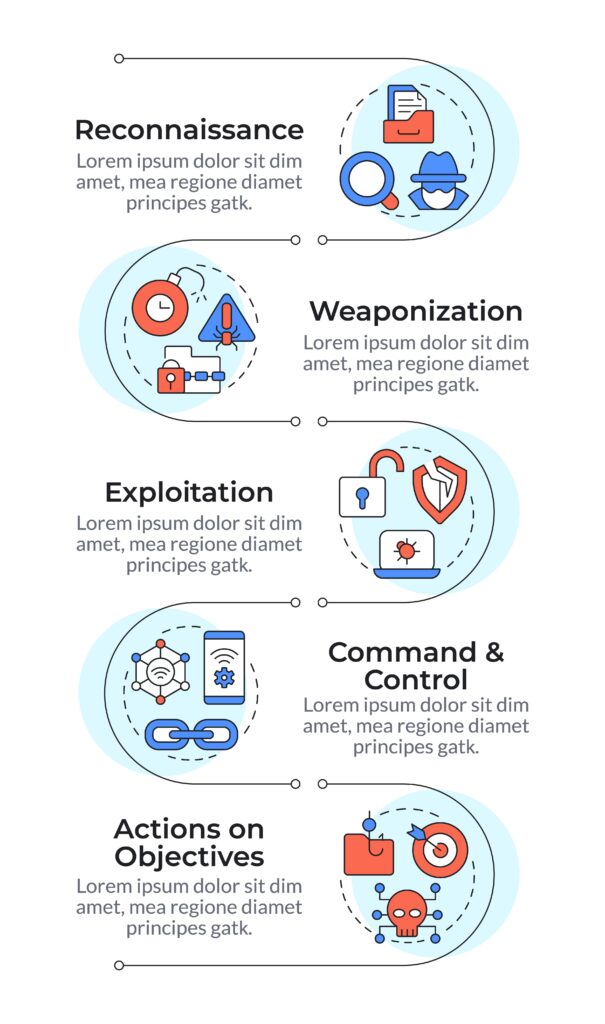
What Personal Data Was Exposed and Why It Matters
Security filings and state investigation reports show that the compromised data includes high-risk personal identifiers that can’t simply be reset like a password. This includes:
- Full legal names and addresses
- Social Security numbers
- Dates of birth
- Medical histories and health insurance data
- Other unique identifiers are used for identity verification and benefits
This mix of permanent identifiers is especially harmful because — unlike a stolen credit card number — Social Security and medical information can’t be changed or easily replaced. Exposure of this data can fuel long-term identity theft, fraudulent medical claims, unauthorized billing, and other serious misuse.
Because Conduent’s systems also support government programs like Medicaid, state benefit claims, and unemployment services, many affected individuals are people who already rely on public programs. Their information is now in the hands of cybercriminals, raising questions about long-term vulnerability and future exploitation.
The Role of the Texas Attorney General and State Investigations
The breach has not only alarmed consumers — it has triggered official legal and regulatory action. The Texas Attorney General’s Office, among others, has launched investigations into Conduent’s security practices and compliance with state privacy laws.
Texas AG Ken Paxton called the incident “likely the largest data breach in U.S. history,” and is demanding that Conduent and related entities like Blue Cross and Blue Shield of Texas provide internal documents and evidence of compliance. Paxton’s investigation focuses on whether Conduent met its legal duties to protect sensitive data and notify victims promptly.
While Conduent maintains it is cooperating fully and has followed applicable incident-response protocols, regulators are pressing for clarity about how the breach occurred, why it took so long to detect, and why hundreds of thousands of individuals were not notified sooner. These probes are expected to continue into 2026 as more information becomes public.
Why This Data Breach Matters Now — Risks & Actions
This isn’t just another cybersecurity story — the Conduent breach highlights a systemic risk with third-party vendors that handle sensitive data for government and healthcare systems.
Third-party providers like Conduent sit at the intersection of public services, private insurers, and everyday citizens. When one such provider is compromised, the ripple effect can impact millions of individuals who never directly interacted with that company. This makes vendor risk management a critical corporate and governmental priority.
Consumers affected by this breach should take these steps:
- Freeze credit reports with Equifax, Experian, and TransUnion
- Monitor financial and medical accounts for suspicious activity
- Consider identity protection services with strong anti-theft controls
Experts also urge public agencies to apply stricter cybersecurity standards and continuous risk assessments on all vendors that access sensitive data.
The Ongoing Legal and Financial Fallout
Individuals and privacy groups have filed multiple class action lawsuits alleging that Conduent failed to adequately protect sensitive information and delayed notifications to victims. These lawsuits may result in long-term monitoring requirements, financial settlements, and legal penalties that could cost Conduent tens of millions of dollars.
Additionally, ongoing investigations by state attorneys general — including Texas and Oregon — could impose compliance mandates or penalties if Conduent is found negligent under state data security and privacy regulations. These legal actions will likely unfold over the coming years.
Looking Ahead: What This Means for Data Security
The Conduent breach underscores how vital robust cybersecurity defenses and transparent disclosure practices are in today’s digital world. With sensitive personal data on the line, companies that process health, identity, and benefit information must invest in zero-trust architectures, real-time intrusion detection, and exhaustive security audits.
Regulators and lawmakers are now watching this breach closely because its lessons will likely shape future data privacy laws, vendor risk standards, and enforcement protocols across government and industry sectors.
Subscribe to trusted news sites like USnewsSphere.com for continuous updates.