
Sony Shuts Down Bluepoint Games, the Developer Behind Demon’s Souls and Shadow of the Colossus Remakes — Sony Group Corporation has officially announced it is shutting down Bluepoint Games, the acclaimed game developer best known for its remakes of Demon’s Souls, Shadow of the Colossus, Uncharted: The Nathan Drake Collection, and other beloved PlayStation classics. The closure, set to take effect in March 2026, will affect around 70 employees and comes after a recent internal business review and the cancellation of key projects.
This news has sent shockwaves through the gaming industry and among fans around the world, because Bluepoint wasn’t just another studio — it was a cornerstone of PlayStation’s reputation for high-quality remasters and a trusted creator of experiences that honoured gaming history while introducing classics to new players.
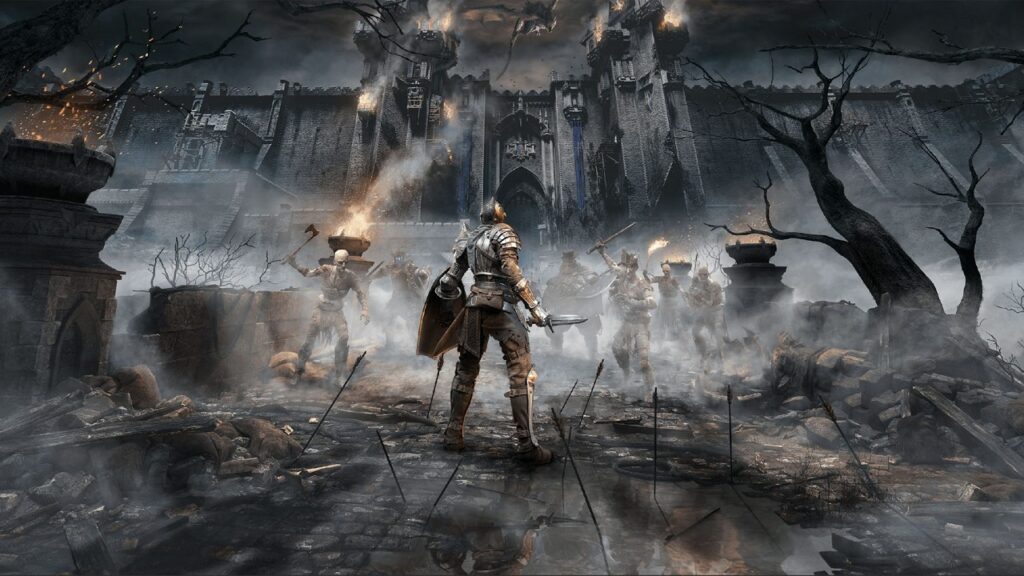
What Bluepoint Games Was and Its Legacy
Bluepoint Games was founded in 2006 in Austin, Texas, by industry veterans Andy O’Neil and Marco Thrush, and quickly built a reputation for delivering outstanding remasters and remakes of classic video games. Over the years, it brought legendary titles to modern consoles with enhanced graphics and gameplay, including the God of War Collection, Uncharted: The Nathan Drake Collection, and the critically acclaimed Demon’s Souls remake on PlayStation 5 in 2020.
Sony Interactive Entertainment acquired Bluepoint in 2021 as part of its PlayStation Studios family, believing the studio’s expertise would further strengthen Sony’s first-party offerings. The acquisition was celebrated by fans, with Sony praising Bluepoint’s craftsmanship and creative talent.
Why This Matters Now: A Strategic Shift
The decision to shut down Bluepoint comes after Sony reportedly cancelled a live-service God of War project that the studio had been working on for some time, and after a broader business review of PlayStation Studios’ direction. The closure reflects larger industry pressures, including high development costs, shifting gamer preferences, and Sony’s recent emphasis on live-service titles and multiplayer experiences over single-player narrative games — a strategy that has seen mixed results in recent years.
In addition, Sony’s internal restructuring and layoffs over the past few years have impacted several studios, including Firewalk and Neon Koi, as part of cost-cutting and strategic refocusing. Bluepoint’s shutdown may be the most high-profile closure yet because of the studio’s iconic work.
Fan Reaction and Industry Response
Fans and industry observers have reacted strongly to the news, with social media buzzing about the decision and calls for accountability from Sony’s leadership. Many have expressed disappointment and frustration that such a respected studio, known for preserving and honouring beloved games, is being closed in an era where community-trusted storytelling and nostalgia still have strong appeal.
Critics argue that Sony’s shift toward live-service games and away from narrative classics could alienate core fans and diminish the unique identity of PlayStation Studios. Others point to broader economic and market challenges facing the games industry, which have forced tough decisions across companies, big and small.
The Impact on PlayStation’s Future
The closure of Bluepoint is more than just a studio shutdown — it signals a potential change in how Sony approaches game development and legacy brands. With Bluepoint gone, fans will be watching closely to see where classic remasters and franchise revivals might come from in the future. Sony still has many first-party studios under its PlayStation Studios umbrella, but losing a studio with such a strong legacy raises questions about long-term strategy.
Sony has stated that it still values creativity, innovation, and delivering unforgettable experiences, and that it hopes to find opportunities within its broader network of studios for some impacted employees. However, many gamers remain sceptical about the message the closure sends to creators and fans alike.
The Broader Gaming Industry Context
Bluepoint’s closure adds to a period of significant upheaval in the games industry, marked by layoffs, studio closures, and cancelled projects across major publishers. The challenges stem from rising development costs, changing business models, and intense competition for player attention and revenue. Sony is not alone in navigating these issues, but the loss of a beloved remaster team highlights how even respected studios are not immune to larger strategic pressures.
It also opens up space for other developers to step in and carry the torch for remasters and classic revivals — a niche that remains popular with players who want to revisit iconic games with modern enhancements.
What Happens Next
As Bluepoint’s final operations wind down, fans and developers will be looking for signs of where the talent may land next and whether Sony will adjust its strategy to align more closely with player expectations. Meanwhile, the legacy of Bluepoint’s work — especially its beloved remasters — will continue to resonate with gamers around the world.
Subscribe to trusted news sites like USnewsSphere.com for continuous updates.