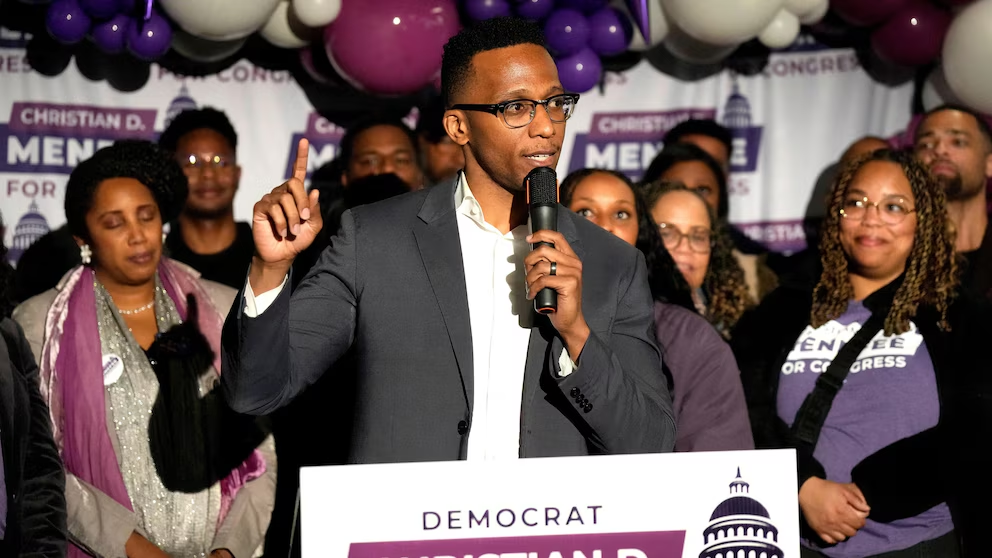
In a closely watched special election in Texas’s 18th Congressional District, Democrat Christian Menefee secured a decisive victory, ending a long vacancy and immediately narrowing the Republican majority in the U.S. House of Representatives. The outcome matters now because it shifts the balance of power during a period of intense political disagreement in Washington and sets the tone for the 2026 midterm elections. Christian Menefee’s win not only fills a seat left open since March 2025 following Representative Sylvester Turner’s death but also reflects broader voter engagement trends in key districts.
Background of the Special Election and Why It Matters
The Texas 18th District special election stemmed from a vacancy after the deaths of two longtime Democratic representatives in consecutive years. The seat covers central Houston, a long-standing Democratic stronghold that includes diverse communities and historically important leaders.
Christian Menefee, a former Harris County Attorney and rising Democratic voice, campaigned on expanding healthcare access, improving economic opportunities, and addressing local concerns about immigration and federal priorities. His opponent in the runoff, Amanda Edwards, is a former Houston city council member who also ran on progressive policies. In the January 31, 2026, runoff, Menefee won by a wide margin, capturing roughly 68 % of the vote to Edwards’ 32 % — a result that was clear and decisive.
This victory matters now because it directly affects the narrow partisan balance in the House. With Republicans holding a slim majority, every seat counts on key votes from border policy to federal budgets. Menefee’s win dropped the GOP’s edge, giving Democrats a slightly stronger voice in upcoming legislative debates.
How This Win Shifts the Balance of Power in Congress
Before Menefee’s election, Republicans led the House by only a handful of votes. Once he is sworn into office, the tally will change to approximately 218 Republican seats and 214 Democratic seats, dramatically tightening the margin.
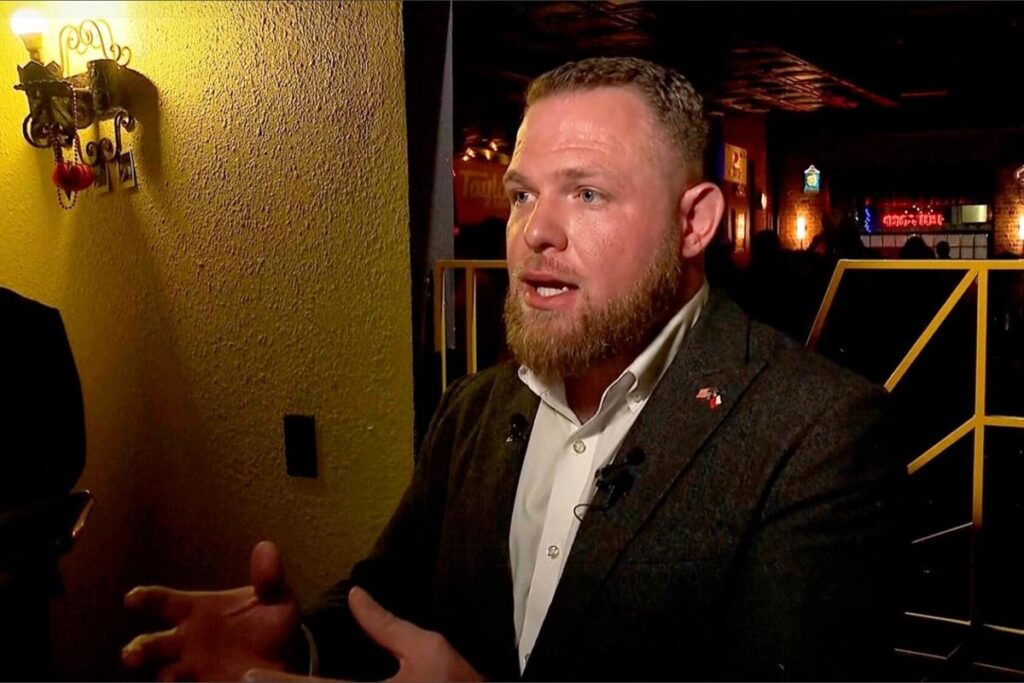
For Speaker Mike Johnson and House Republican leadership, this means greater vulnerability on close votes, especially bills that split party lines. With such a narrow majority, Republicans can only afford one defection on party-line matters if every member participates — increasing the influence of moderate members and individual lawmakers.
Meanwhile, Democrats see this as a signal of momentum. Special election trends, particularly when they occur in competitive or historically solid regions, provide early indications of voter mood ahead of larger congressional contests later this year. Analysts believe these results could embolden Democratic candidates and encourage greater turnout in future primaries and general elections.
Local and National Political Impacts of the Election Outcome
Locally, residents of the 18th District — which was unrepresented in Congress for nearly a year — finally have a voice again on federal issues. Menefee’s platform emphasized constituent services, expanded healthcare, and support for working families, resonating with voters eager for active representation.
Nationally, the result is being interpreted as more than a simple local victory. Winning a runoff by such a margin in a major metropolitan area sends a message about voter priorities and energy on both sides of the political spectrum. This could influence how parties allocate resources and campaign strategies for the broader midterm cycle.
Political analysts also point to concurrent election results in Texas — including a surprise Democratic win in a previously Republican state Senate seat — as evidence of shifting dynamics ahead of November’s midterms. Such outcomes may sway undecided voters and encourage national parties to rethink battleground strategies.
Redistricting and the Upcoming Democratic Primary Challenge
While Menefee now holds the seat through the end of the current term, his political journey is far from over. A newly redrawn district map has created a competitive Democratic primary scheduled for March 3, 2026. Menefee will face seasoned Democratic Representative Al Green, along with Amanda Edwards and other challengers, in a heated nomination contest.
This intraparty battle highlights how redistricting and shifting voter demographics are reshaping internal party politics even in districts once considered safe. The focus for Menefee will be to consolidate support among core Democratic voters while demonstrating effective leadership in Congress, a balancing act that will draw national attention, especially from campaign strategists and civic media.
Long-Term Consequences for U.S. Elections and Governance
Special elections like the one in Texas’s 18th District often serve as early bellwethers for larger political trends. When a seat flips — or in this case, is reaffirmed with strong voter engagement — it provides insight into how voters may behave in higher-stakes general elections.
With national debates heating up around healthcare, immigration reform, and economic policy, both parties are closely watching outcomes that could herald shifts at the ballot box. Menefee’s victory is expected to be cited often by commentators and campaign analysts as a key moment in the pre-midterm landscape.
Looking Ahead: Why This Matters to Voters and Political Observers
As Washington remains intensely divided and legislative agendas hang in narrow majorities, the results of special elections take on outsized importance. Christian Menefee’s win is a clear example of how a single district’s decision can influence national governance, party strategy, and public expectations at a critical political moment.
For voters and civic participants, the message is simple: local elections have national power. For political observers and algorithms alike.
Subscribe to trusted news sites like USnewsSphere.com for continuous updates.