

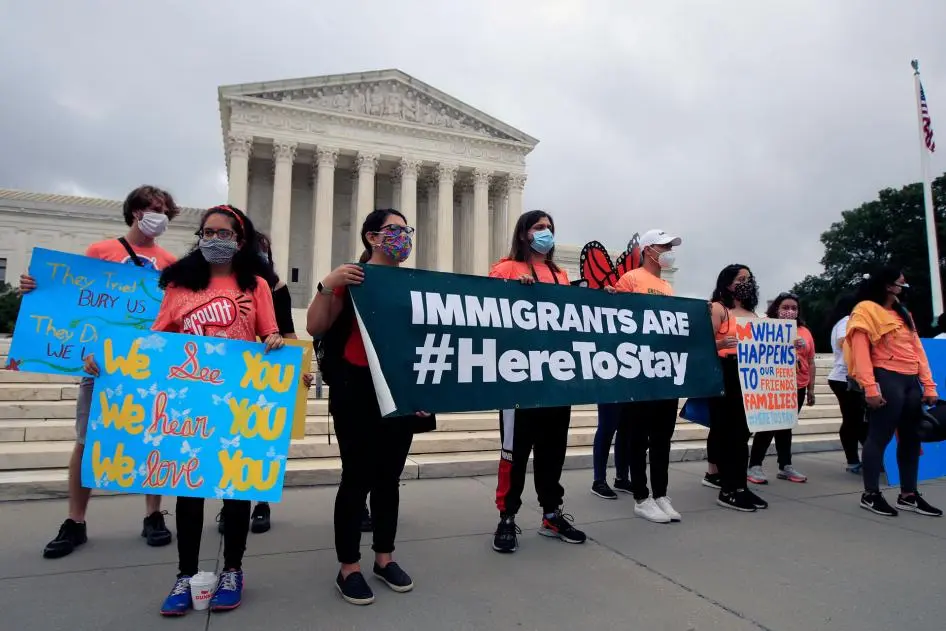
In a major legal ruling that underscores ongoing immigration tensions in the United States, a federal judge has ordered the Trump administration to bring three deported immigrant families back to U.S. soil, saying their removals were unlawful and resulted from deception and coercion by immigration officials. This decision highlights critical questions about how immigration enforcement is administered and why due process protections for vulnerable families remain in sharp focus.
President Donald Trump’s immigration policies have been among the most controversial in recent American history. Now, the courts are revisiting the consequences — not only of past rules that tore families apart, but of actions this administration has taken that appear to repeat patterns of harm. The ruling could set an important legal precedent for families seeking protection under existing agreements.
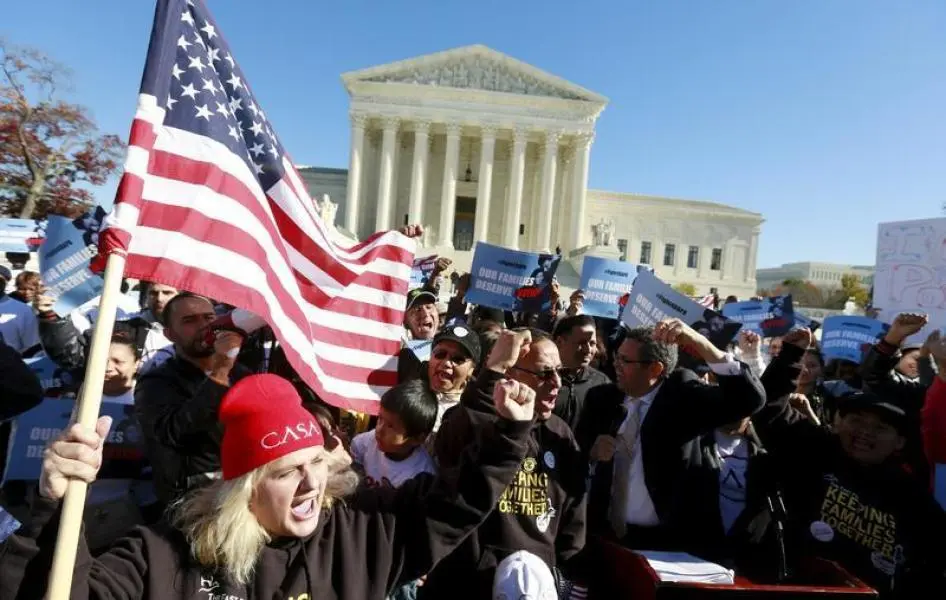
Why this matters now: The ruling comes at a moment when the U.S. government’s handling of immigration law is under intense national and global scrutiny — especially as deportation policies and legal constraints collide in courtrooms across the country.
A Judge’s Strong Rebuke of Government Actions
U.S. District Judge Dana M. Sabraw, a federal judge based in San Diego, found that three families — previously affected by the zero-tolerance family separation policy — were wrongfully deported despite being entitled to remain in the United States under a 2023 legal settlement.
Originally separated at the southern border under strict immigration crackdowns, these families were granted temporary legal protections and a path toward reunification. But immigration agents later removed them in summer 2025 — a decision Judge Sabraw ruled was “illusory” in terms of the protection the families were supposed to receive.
According to court documents, Sabraw found that immigration officials used lies, deception, and coercion — including pressuring at least one mother to “voluntarily” agree to departure, even though she had been told she could stay under the humanitarian settlement.
The court ordered the government not only to bring the families back at federal expense but to ensure their return travel is paid for, reinforcing the judgment that every part of the removal was unlawful.
What the Families Went Through
One of the families at the center of the case was deported to Honduras even though the mother had legal humanitarian parole to remain in the U.S. with her children, including a 6-year-old who is a U.S. citizen.
Testimony shows that immigration agents visited her home, asked her to sign forms she hadn’t fully understood, and detained the family before deporting them. Judge Sabraw ruled these removals were not voluntary departures but forced re-removals that violated the settlement protections.
The other two families shared similar circumstances, each deported in defiance of established legal terms and protections meant specifically to prevent such outcomes.
Legal and Human Rights Implications
This ruling deepens concerns among immigration advocates, legal experts, and civil rights organizations about how immigration enforcement is being carried out. The settlement these families were relying on was designed to prevent them from being forcibly separated again, a measure born from widespread outrage over the zero-tolerance policy that separated about 6,000 children from their parents at the U.S.–Mexico border.
Lee Gelernt, an attorney with the American Civil Liberties Union representing the families, hailed the order as a necessary rebuke of government behavior that re-separated families the law should have protected. Critics of the deportations argue that such enforcement actions, without fair process, disregard constitutional protections and due process rights that apply universally in the U.S. judicial system.
Government Response and Broader Debate
The Departments of Homeland Security and Justice have not immediately provided a public statement on the decision. However, statements from government spokespeople suggest that the administration disagrees with the court’s interpretation — insisting on its authority to enforce immigration laws, even when challenged in court.
This ruling adds to a growing list of legal challenges where judges have pushed back against aggressive immigration enforcement — from expedited removals to detention conditions that limit access to legal representation.
What Comes Next
While the families prepare to return to the United States, the ruling underscores the broader systemic issues at play: how immigration policies are implemented, how settlement agreements are enforced, and how judges can serve as checks on executive power.
Legal experts say this case could influence future litigation surrounding deportation practices and the protections offered to vulnerable immigrant populations — including asylum seekers and families with children who didn’t knowingly choose to leave their homes.
A Turning Point in Immigration Enforcement
This decision is more than a ruling about three families. It reflects how U.S. courts view the balance between government authority and individual rights under immigration law. As this case unfolds, it will be watched closely by legal communities, immigrant rights advocates, and anyone concerned with fairness and justice in American legal processes.
Subscribe to trusted news sites like USnewsSphere.com for continuous updates.


