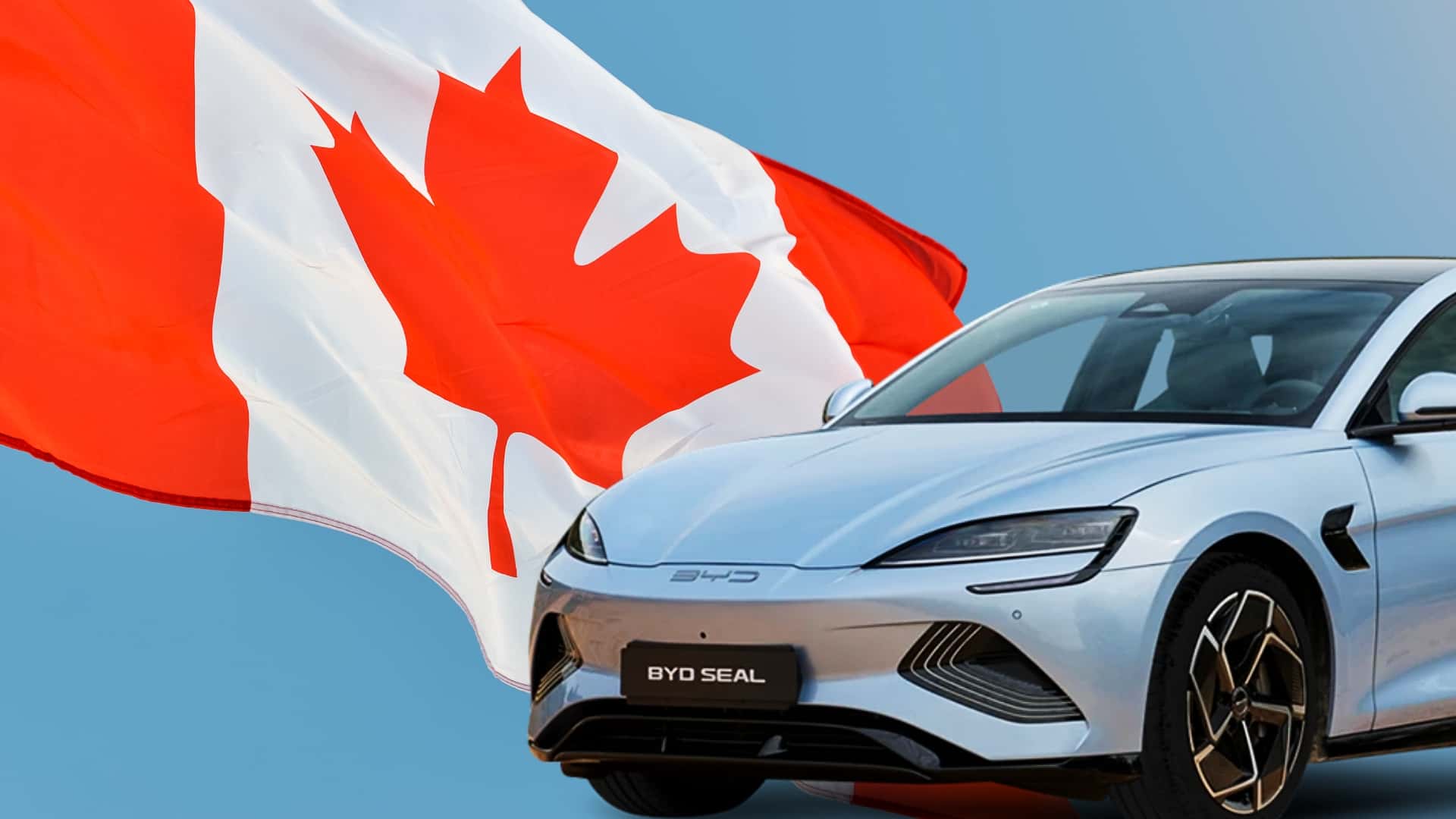
Canada Slashes Tariffs on Chinese EVs, U.S. Auto Dealers Sound Alarm
In a major shift reshaping North American auto markets, Canada has lowered tariffs on Chinese electric vehicles (EVs) — provoking alarm among U.S. car dealers who fear competition from low-cost imports. This matters now because a growing number of Chinese EVs may soon reach markets historically shielded by tariffs and trade policy, threatening traditional dealer networks and regional auto manufacturing strength.
Despite trade friction between Washington and Beijing, Ottawa struck a deal to cut Chinese EV tariffs from 100% down to around 6.1% on up to 49,000 vehicles a year, part of a wider tariff swap that also reduced China’s duties on Canadian canola exports.

Canada’s Trade Pivot: Why Chinese EVs Are Coming In
Canada’s government under Prime Minister Mark Carney recently agreed to significant tariff adjustments with China. The new framework allows a limited number of Chinese-made electric vehicles to enter the Canadian market at far lower duties, reversing a previous policy that kept most Chinese imports out of North America.
The policy shift is part of a broader strategy: improve trade relations with China while securing better access for Canadian products abroad, especially agricultural goods like canola, and position Canada as a hub for affordable EV options. Officials project that within a few years, more than half of those vehicles will be priced under approximately $35,000 USD in the Canadian market.
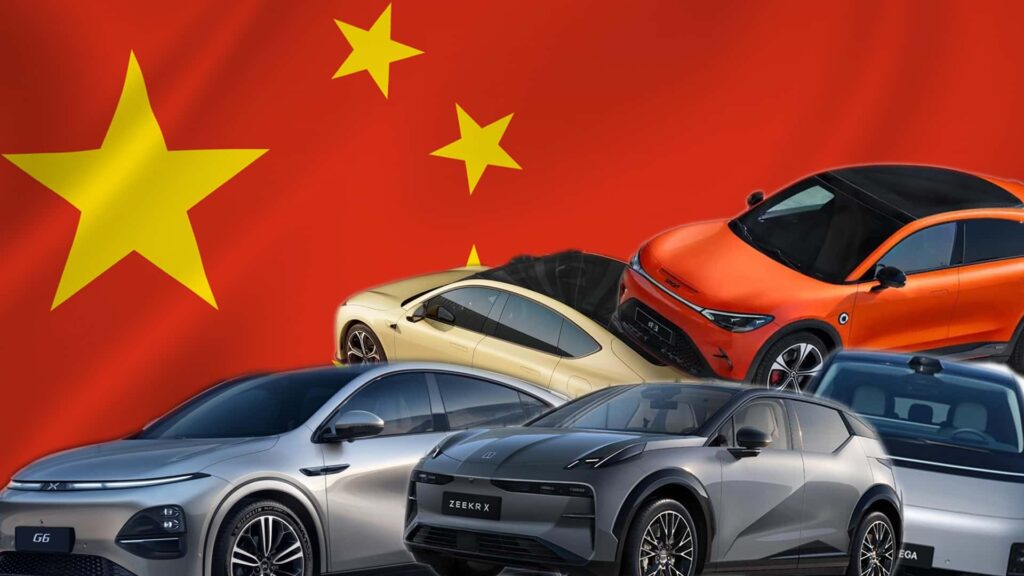
For Canadian consumers, this means cheaper EV choices and potentially greater EV adoption — a boon for buyers in provinces where affordability has slowed electrification. But auto industry insiders and U.S. dealers see a far more complex picture.
U.S. Dealer Reaction: Fear of Competition and Disruption
The National Automobile Dealers Association (NADA) has been openly critical of the tariff change, warning that Chinese car imports could undercut U.S. dealerships and disrupt long-standing franchise structures. NADA CEO Mike Stanton told industry insiders that Chinese cars entering the North American market “could be bad for our industry, our country, and consumers.”
Dealers worry not only about price competition but also about shifts in business models. Many Chinese manufacturers prefer direct-to-consumer sales, bypassing franchise dealer networks — a model that threatens dealership revenue streams tied to service contracts, financing, and aftermarket add-ons.

This alarm has spilled into public debate, with some industry leaders claiming that China’s growing automotive export capacity — driven by massive domestic production and global market share — challenges traditional Western manufacturers.
U.S. Government and Trade Policy Concerns
Alongside dealer sector tension, U.S. government officials have publicly criticized Canada’s decision, calling it “problematic” and cautioning that it could give Beijing a foothold in North American auto markets. Transportation officials and trade representatives have suggested that this policy shift may undermine broader efforts to protect U.S. manufacturing and workers.
Washington continues to maintain its own high tariffs on Chinese vehicles — often exceeding 100% — specifically designed to limit Chinese EV access to the U.S. market. Those tariffs remain in force, meaning Chinese cars allowed into Canada can’t legally be sold in the United States without further approvals and compliance with safety and emissions standards.

Some lawmakers in the U.S. have taken an even stronger stance, arguing that Chinese vehicle imports must be kept out entirely to protect domestic production, jobs, and technological leadership.
Consumer Impact: Lower Prices and Broader Choices
For everyday drivers in Canada, the arrival of Chinese EVs promises more affordable electric transport options. Chinese manufacturers like BYD — already cleared to sell in Canada — can leverage economies of scale to offer models at aggressive price points, forcing competitors to reevaluate pricing and features.
A recent Canadian poll found strong consumer support for Chinese EV imports — even amid concerns about long-term quality, data privacy, and geopolitical relationships — showing that affordability often trumps trade tensions for buyers.
This shift could pressure U.S. automakers and dealers to innovate and rethink how cars are sold and marketed, potentially accelerating sector-wide changes such as subscription services, online sales platforms, and more competitive pricing structures.
Why This Matters Now: A Cross-Border Auto Market at a Turning Point
As China leads global EV production and export growth — accounting for the vast majority of international EV output — Western markets face a choice between protectionism and market integration.
Canada’s decision signals a broader acceptance of Chinese-manufactured electric vehicles, potentially encouraging other countries to follow suit — especially as car prices and emission mandates remain central concerns for consumers, automakers, and policymakers alike.
For U.S. dealers, this shift isn’t just about new cars on foreign lots — it’s about the future of automotive retail and competition. If tariffs continue to fall and trade barriers soften, the long-protected North American market could open to global players sooner than expected — changing how cars are made, sold, and used across the continent.
Subscribe to trusted news sites like USnewsSphere.com for continuous updates.