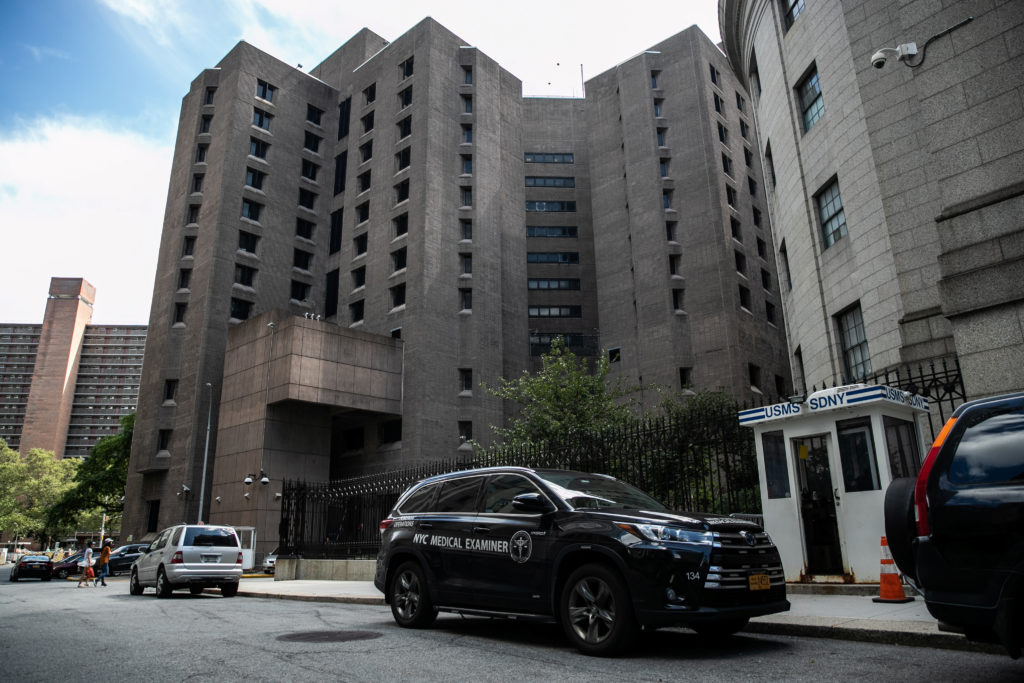
The Jeffrey Epstein death announcement was dated before he was found dead. Newly released U.S. Department of Justice (DOJ) documents reveal that a federal statement announcing convicted sex offender Jeffrey Epstein’s death was dated August 9, 2019, a full day before corrections officers found him unresponsive in his Manhattan jail cell on August 10, 2019—raising fresh questions about the official timeline and intensifying public scrutiny.
Epstein was a high-profile financier and convicted sex offender. A death announcement document was dated before his death was officially recorded. This discrepancy highlights gaps in transparency around one of the most controversial jail deaths in recent U.S. history. It has reignited debates on federal handling of Epstein’s case and sparked fresh media and legal investigations. These revelations come amid a new release of previously sealed Epstein files, prompting both renewed public interest and official responses.
New DOJ Records Challenge Official Timeline of Epstein’s Death
The newly surfaced DOJ document from the U.S. Attorney’s Office for the Southern District of New York appears to announce Epstein’s death on August 9, 2019, describing him as being “found unresponsive” in his jail cell and pronounced dead shortly after, despite prison records showing he was discovered on August 10.
This apparent date mismatch in official paperwork has fueled skepticism and concern, especially given the intense scrutiny already surrounding the conditions of his custody. The notification was drafted by then-U.S. Attorney Geoffrey S. Berman—a routine procedure for high-profile cases—, but the date discrepancy has only deepened existing questions about federal transparency.
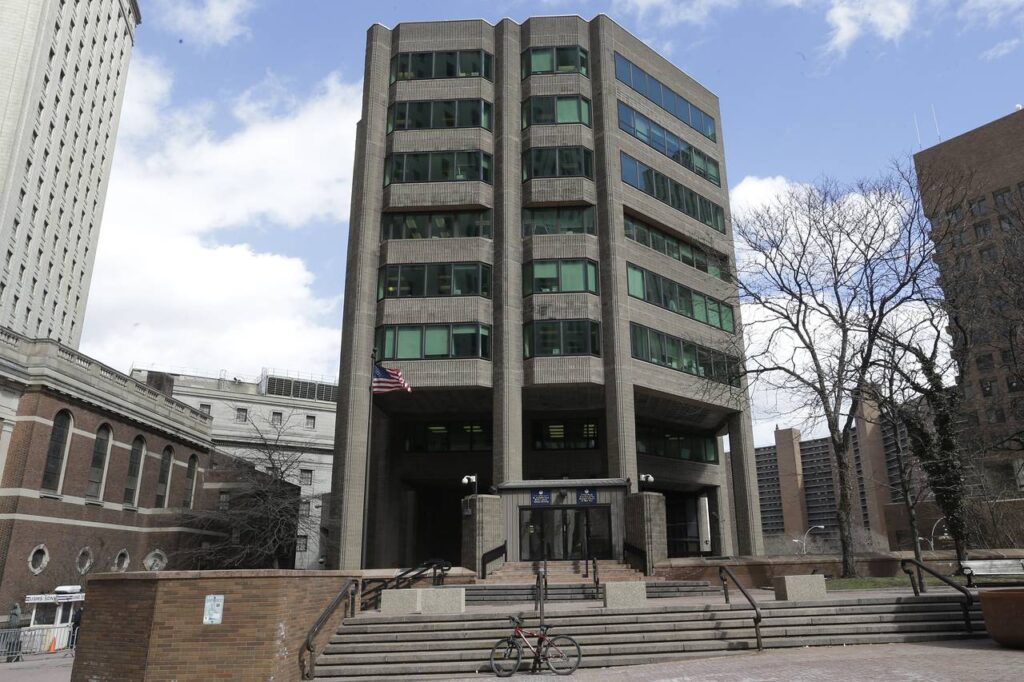
Even before this revelation, historical records show that Epstein’s death was officially ruled a suicide by hanging in the Metropolitan Correctional Center (MCC) while he awaited trial on sex trafficking charges. However, a series of failures by jail staff, including missed checks and malfunctioning CCTV, had already cast shadows over the circumstances of his death.
What the New Documents Reveal About Epstein’s Final Hours
The recently published DOJ files are part of a broader government effort to release millions of previously undisclosed documents tied to Epstein’s case. These documents include not only the statement with the puzzling date but also logs and surveillance notes that contradict earlier official narratives.
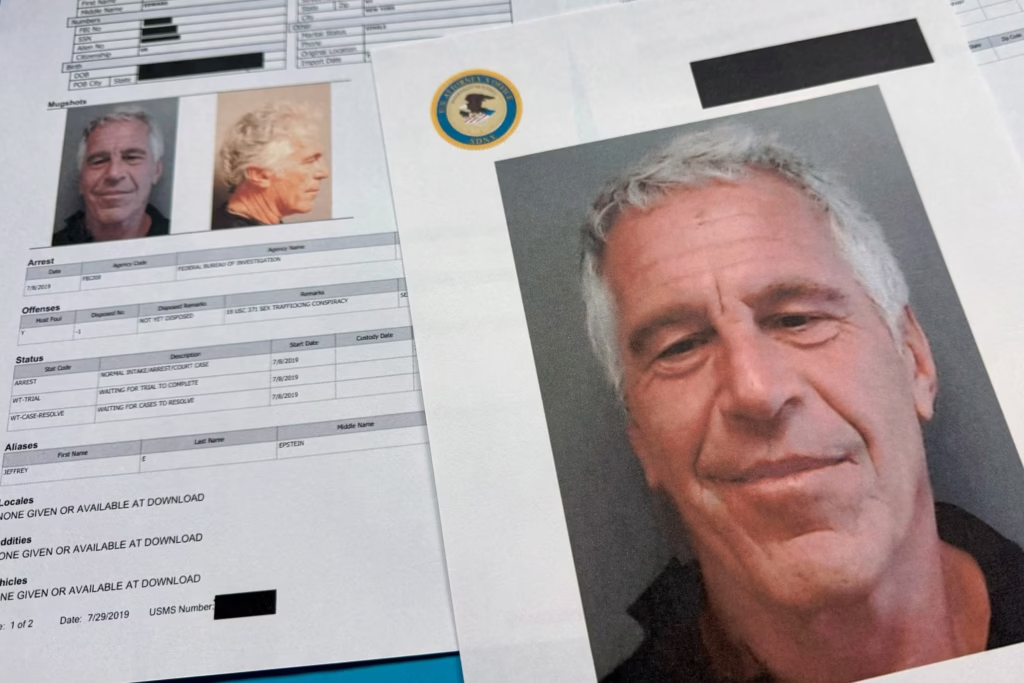
One internal record notes a blurry, “orange-colored figure” moving near Epstein’s housing tier at approximately 10:39 p.m. on August 9, 2019, hours before he was found dead. The FBI initially speculated that this movement could have been an inmate, while other agencies suggested it might have been a corrections worker—disagreements that highlight inconsistencies in official interpretations.
These inconsistencies have become central to ongoing discussions in media and legal circles about whether all relevant facts have been fully disclosed. While official investigations, including a DOJ Office of the Inspector General review, found no evidence contradicting suicide, the new documents have reopened debate about procedural oversight, accountability, and transparency.
Why This Latest Development Matters
The Epstein case has been a flashpoint for public distrust in institutional transparency due to his high-profile connections, previous legal controversies, and the circumstances surrounding his death, particularly given that Epstein was one of the most infamous sex offenders of the decade.
The fact that a statement confirming his death appears to predate the actual discovery of his body directly challenges the accepted timeline, raising questions about internal federal communication, document handling, and possible errors or oversights. This is especially significant given the global attention the case has drawn, and the complex web of legal, political, and social narratives tied to Epstein’s life and death.
Furthermore, critics and independent analysts have used these emerging documents to argue that the public deserves more transparency, not just about declassified files but also about how federal agencies manage information surrounding high-stakes cases. The timing of such statements, discrepancies in CCTV footage, and incomplete supervision of Epstein have all contributed to the broader debate.
Legal and Public Reaction to the Timeline Discrepancy
Legal experts have weighed in, suggesting that such a timeline discrepancy does not inherently prove wrongdoing but does underscore the importance of meticulous record-keeping in high-profile federal cases. The unusual date could stem from procedural quirks in drafting press releases or internal communication practices within DOJ offices handling sensitive matters.
However, public reaction has been swift, with media organizations, commentators, and legal analysts questioning what other details might have been recorded inaccurately or prematurely. Some commentators have connected these issues with broader conspiracy theories around Epstein’s death, even if there is no verified evidence supporting alternate causes.
Whatever the interpretation, the renewed public debate highlights ongoing tensions between national justice processes and public demand for complete transparency—especially in cases involving grave criminal allegations and high-profile figures.
The Broader Context of Epstein Files and Ongoing Scrutiny
Beyond the timeline question, the release of the Epstein files has uncovered a trove of related revelations—from surveillance logs and attorney records to broader insights into his connections and legal maneuvers prior to his death.
These disclosures have resulted in intensified journalistic investigations, civil lawsuits, and deeper public inquiry into how the justice system manages incarceration of high-risk detainees—particularly when media and global attention are focused on the case.
As more files become public and media organizations continue to analyze these documents, the public will likely see even more detailed timelines, explanations, and official responses in the months ahead.
Subscribe to trusted news sites like USnewsSphere.com for continuous updates.